

The Quiet Arrival of Polo Club Hardware
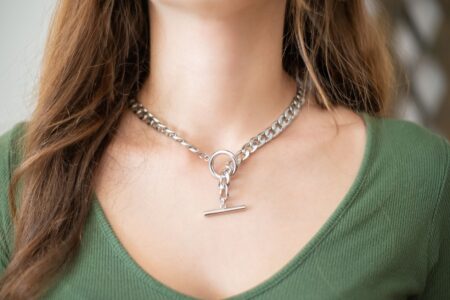
Tie clips have always occupied a narrow corner of men’s accessories – functional, occasionally decorative, rarely discussed. But a specific variant is now drawing attention in circles where that kind of restraint is considered a design statement: the polo club tie clip, with its elongated silhouette, engraved crest detailing, and sterling or gold-fill construction, is crossing over from the equestrian wardrobe into the broader world of minimalist lapel jewellery.
The crossover makes sense when you look at the object itself.
Polo club hardware was never designed to shout. The best examples – narrow bars with shallow relief crests, matte finishes, and no stone setting – share more DNA with contemporary Scandinavian jewellery than with the ornate brooches or novelty pins that dominate most menswear accessory shelves. That restraint is exactly what minimalist dressing demands right now, and stylists working across editorial and red carpet contexts are starting to reach for these pieces when a client needs something on the lapel that does not read as costume.
Why Equestrian Hardware Translates So Well
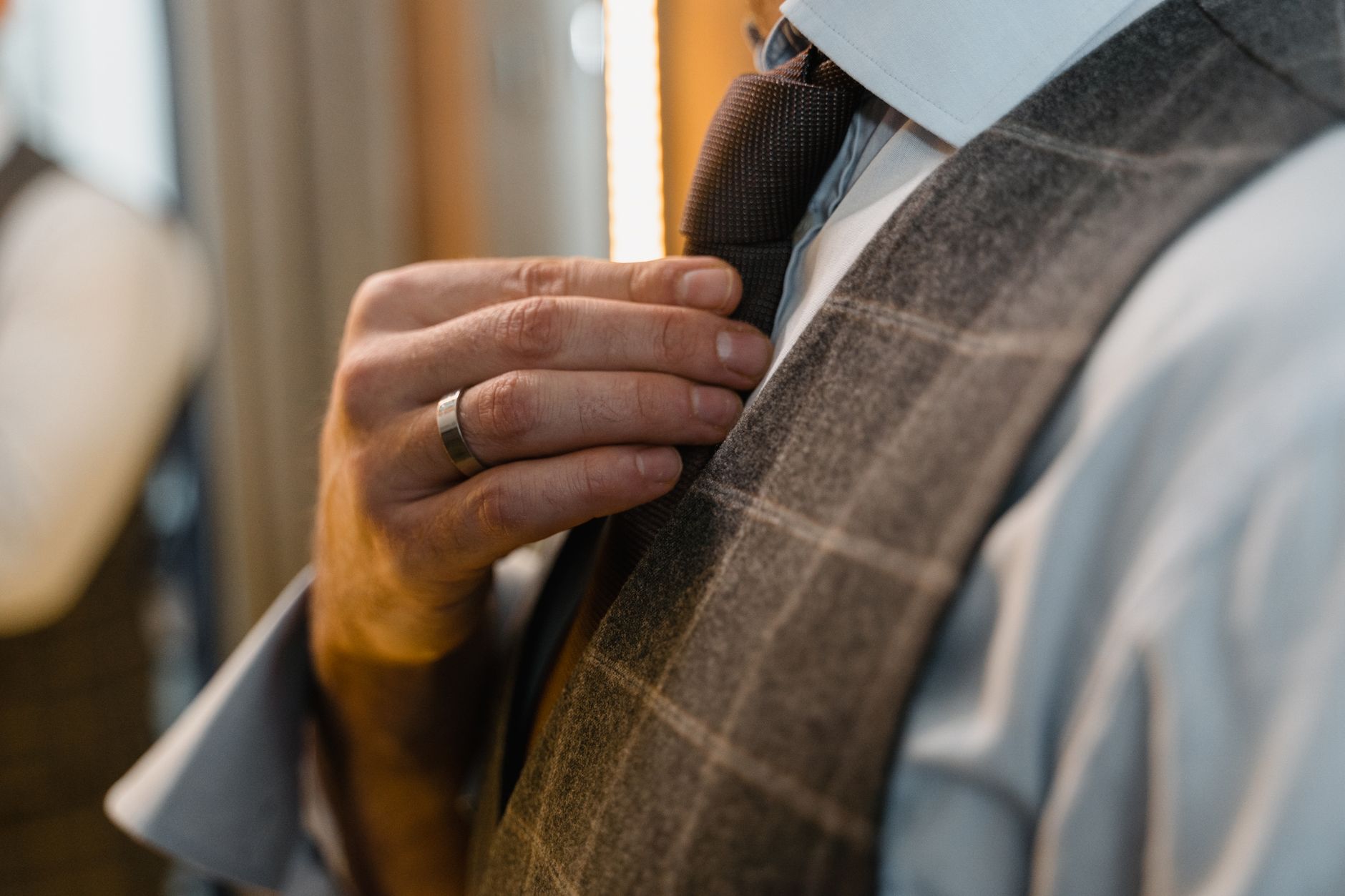
The polo tie clip was built for a very specific social context – a world where understatement signalled membership and excess signalled vulgarity. That logic maps cleanly onto the current appetite for what some buyers are calling “quiet luxury” accessories: pieces that reward close inspection without announcing themselves from across the room. A crest-embossed bar in brushed silver does exactly that. It catches light at the right angle, carries a legible emblem for those near enough to notice, and otherwise disappears into the shirt placket in the most disciplined way possible.
There is also a practical case. Most contemporary lapel jewellery – the safety-pin brooches, the sculptural ear cuffs migrating to jacket collars, the chain-link accents – requires a degree of intentional styling to land correctly. Wear one wrong and the whole look collapses into affectation. A tie clip, by contrast, has a clear function: it holds the tie to the shirt. That built-in purpose gives it an authority that purely decorative pieces sometimes lack, and it means the wearer does not have to work as hard to justify it. The polo version simply upgrades the hardware without changing the logic.
What stylists are doing with these pieces now is also worth examining. Rather than pairing polo clips with the full equestrian look – the navy blazer, the open collar, the regimental stripe – they are placing them in contexts that deliberately subvert that heritage. A clip engraved with a club crest worn on a sheer silk shirt, or positioned on the placket of a longline linen coat rather than on a tie proper, uses the object’s formality as friction against the casualness of the surrounding garment. That tension is where the styling interest lives.
How the Minimalist Lapel Moment Created the Opening
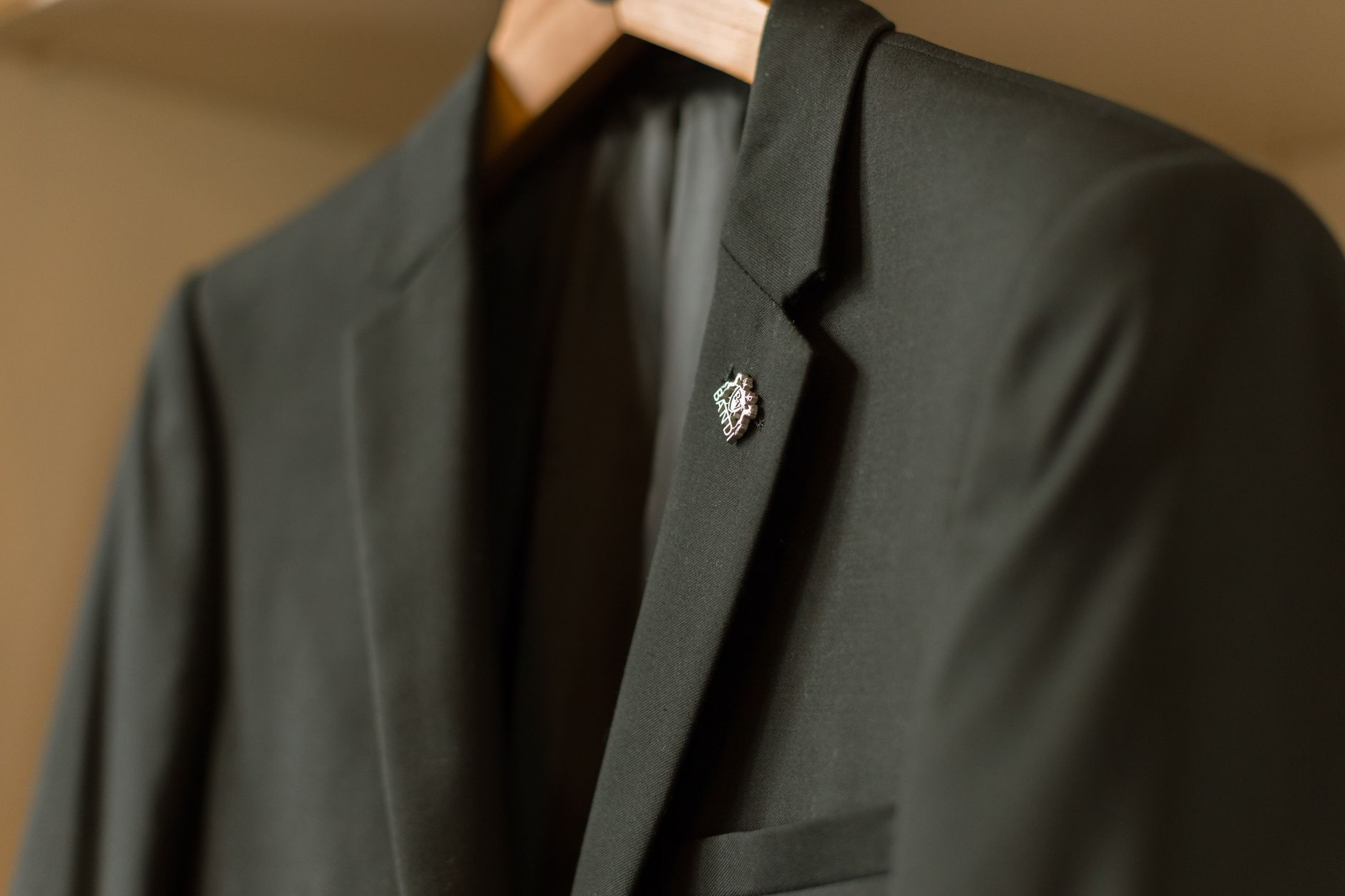
Lapel jewellery has been building quietly for several seasons. The movement started with small enamel pins on tailored suiting, moved through the safety-pin moment that swept menswear editorials, and has since settled into something more considered – a preference for single, well-made metal pieces that sit close to the body and do not compete with the garment beneath them. Polo club tie clips fit that final phase almost perfectly. They are the right size, the right weight, and carry the right amount of implied history to feel considered rather than trendy.
The supply side of this shift is interesting too. Vintage polo hardware – pieces from defunct clubs, estate sales, old sporting goods inventories – is circulating through a growing number of vintage jewellery dealers and resale platforms, which means access does not require a commission from a luxury house. A buyer willing to search can find well-made sterling examples for a fraction of what a designer lapel piece would cost, and the engraved crest on a vintage bar carries something a newly minted pin cannot replicate: actual provenance, however obscure.
A growing number of independent jewellers are also beginning to produce their own riffs on the format – plain metal bars with very shallow surface texture, small heraldic motifs borrowed from equestrian or collegiate traditions, and proportions borrowed directly from vintage polo hardware. These are not marketed as polo clips. They are sold as lapel bars or shirt bars, slipped into the minimalist jewellery category with clean branding and no equestrian reference on the packaging. The source material is there for anyone who looks, but the new customer does not need to see it to want the piece.
A Distinction That Still Matters
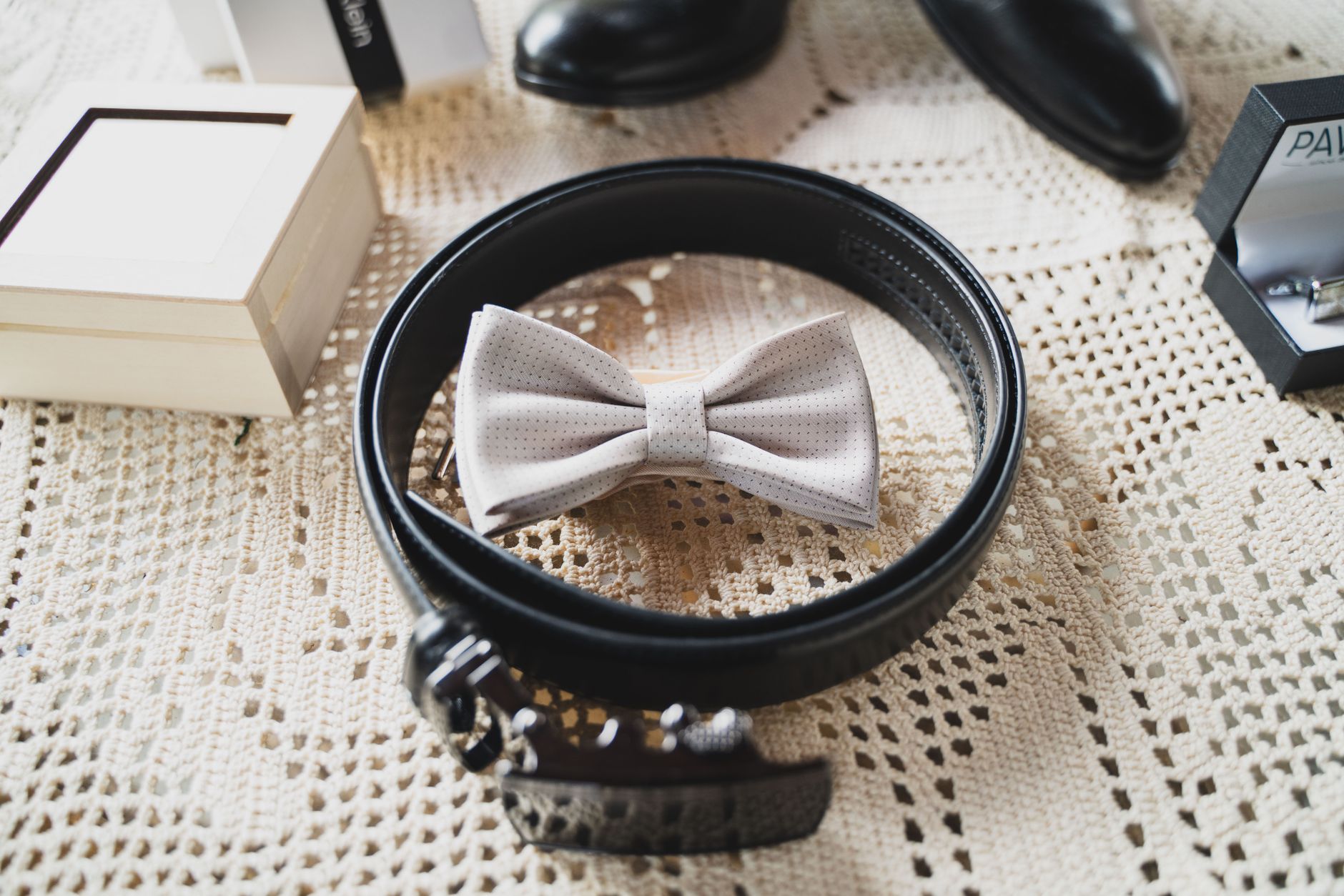
The risk in this kind of category drift is that the object loses the quality that made it appealing in the first place. Mass production of any “quiet” accessory tends to erode the subtlety fairly quickly – once a polo-style bar appears on every fast-fashion accessories wall, the restraint it was supposed to signal evaporates entirely. For now, the pieces generating the most editorial interest are still the originals: vintage club hardware with visible wear, small-run jeweller interpretations made in actual metal with actual weight, and the occasional luxury version from a house with a genuine heritage connection to equestrian sport. The moment that changes, so does everything the clip is currently being used to say.
Frequently Asked Questions
What makes polo club tie clips different from regular tie bars?
Polo club tie clips typically feature engraved crest detailing and narrower proportions rooted in equestrian club tradition, giving them a heritage quality that standard tie bars lack.
How are stylists wearing polo tie clips outside traditional menswear?
Stylists are placing them on shirt plackets, sheer fabrics, and longline coats rather than on ties, using the clip’s formality as a deliberate contrast to casual surrounding garments.