Polo neck tabards occupy a strange territory in fashion – part armor, part sculpture, part knitwear experiment. The silhouette, which fuses the sleeveless open-sided tabard form with a close-fitted turtleneck collar, has been circling the edges of sculptural knitwear for a few seasons now, and it is starting to move toward the center.

The Shape That Shouldn’t Work – But Does
The tabard as a garment category has never quite shed its medieval associations. For centuries it functioned as a utilitarian overlay – worn over armor, over workwear, over anything that needed protecting or identifying. Reintroducing the polo neck into that equation forces the silhouette to do two contradictory things at once: the collar closes the body inward and upward while the open sides pull attention sideways and outward. That tension is exactly what makes the construction so interesting to knit designers working in three dimensions.
Sculptural knitwear, as a design language, lives on paradox. It asks fabric to behave like architecture, to hold shapes it was never technically meant to hold, to resist gravity rather than submit to it. The polo neck tabard fits neatly into that ethos because it demands structural thinking from the very first stitch. The neck rib needs enough tension to stand independently without a shoulder seam carrying the weight. The body panels need enough heft to hang flat without side seams anchoring them. Every construction decision is load-bearing.
Designers working in heavy-gauge merino, boiled wool, and chunky cashmere blends have found the polo neck tabard to be a particularly useful canvas. The absence of side seams means the yarn itself has to provide shape – which naturally pushes makers toward denser stitch patterns, textured cable work, and relief knitting that creates visual mass without adding actual bulk at the sides. The result is a garment that reads as voluminous from the front and back but almost disappears in profile.
That profile reduction is part of what makes the silhouette so wearable despite its structural drama. A heavily cabled, stand-up-collared tabard worn over a narrow column of trousers or a slim long-sleeve base layer reads as bold from a distance and surprisingly streamlined up close. The garment makes a statement without consuming the body wearing it – a balance that purely decorative sculptural knits often struggle to find.
How Knitwear Designers Are Developing the Form
The most interesting iterations currently circulating among independent knitwear designers treat the polo neck not as a functional warm-weather addition but as a structural anchor. A rigid, wide-ribbed turtleneck collar – knitted with minimal stretch in a tight tension – acts almost like a yoke from which the front and back panels hang independently. Some designers are adding internal boning or interfacing to the collar itself, borrowing construction techniques from tailoring to make the neck stand fully upright without any body inside it.
Stitch choice matters enormously in this format. Seed stitch and moss stitch, which create a relatively flat, dense fabric, are showing up on the main body panels while the collar shifts into a contrasting tight rib or even a twisted stitch construction that gives the neck its rigidity. That deliberate contrast between textures – one open and matte, one compressed and slightly glossy from the yarn tension – creates a visual story across the garment without requiring additional color or embellishment. The knit itself does the editorial work.
Color is where the polo neck tabard diverges sharply from its medieval reference points. Where historical tabards leaned on heraldic primaries and high-contrast blocking, the sculptural knitwear versions currently gaining attention are largely working in deep single tones – very dark forest greens, raw oatmeal, charcoal, and a particular brownish-black that sits somewhere between espresso and graphite. The monochromatic approach keeps the focus entirely on form, which is the right instinct when the silhouette itself is already making a complex argument.
Proportion experiments are also ongoing. Some designers are pushing the tabard length down past the hip toward mid-thigh, creating what reads almost as a dress silhouette when worn without trousers. Others are cutting it short – finishing just at the natural waist – so that the polo neck and the abbreviated panel length create an almost crop-style effect that pairs directly with high-waisted wide-leg trousers. Neither proportion is inherently correct; both are products of the same structural logic applied at different scales.
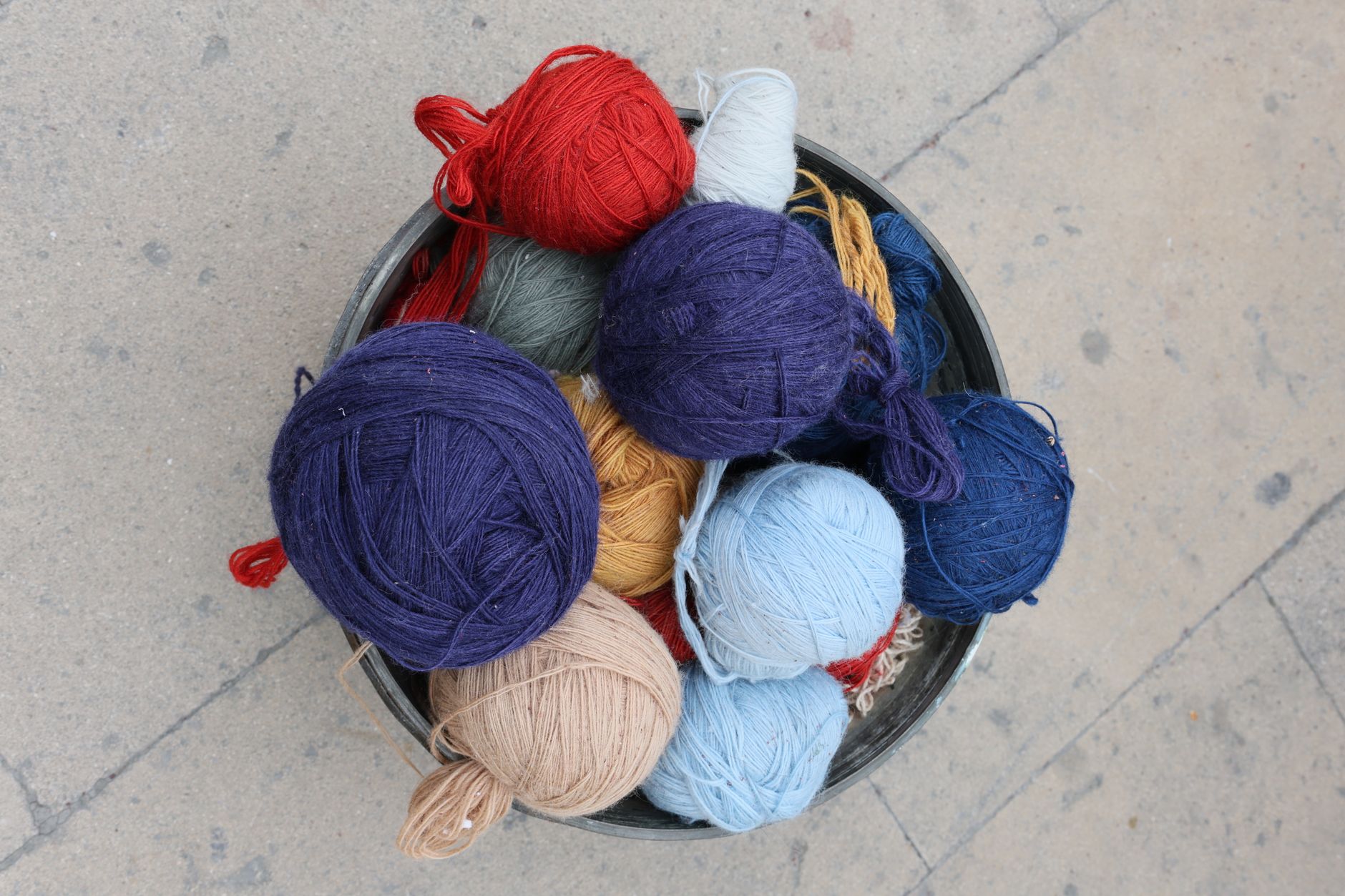
Yarn weight is the variable that most controls where on the sculptural-to-wearable spectrum any given piece lands. Worsted-weight constructions stay closer to everyday dressing territory, draping with enough softness that the tabard reads as a practical layering piece rather than a gallery object. Bulky-weight versions, particularly those knitted in hand-spun or thick-and-thin yarns with visible irregularity in the ply, push further into art-object territory – worn more as statements and less as solutions to the question of what to put on in the morning.
Where the Trend Is Heading

The polo neck tabard is starting to attract attention beyond the independent knitwear community. A growing number of small ready-to-wear labels with a craft orientation are sampling versions in production-scale yarn weights, testing whether the construction translates outside the context of handmade or limited-run pieces. The structural complexity that makes the form so compelling in hand-knit versions is genuinely difficult to replicate at scale – machine knitting can produce the shapes, but the organic variation in tension that gives handmade versions their presence tends to flatten out in industrial production.
What may drive the silhouette forward most forcefully is its relationship to layering. The open sides and the absence of sleeves make the polo neck tabard uniquely transparent about what is being worn underneath, which turns the base layer into part of the composition rather than a support garment hidden from view. That openness – the way the tabard frames rather than conceals – gives wearers real creative control over how the overall look reads, which is a different kind of proposition from most knit outerwear. The collar, standing upright and independent above whatever is layered beneath it, remains the most architecturally confident part of the whole construction.