

The Quiet Return of the Polo Neck
There is something almost subversive about tucking a polo neck skivvy under a structured blazer. The combination reads as both effortlessly intellectual and sharply put together – a tension that has made this particular layering move the quiet obsession of a certain style-conscious crowd. Where open collars and classic button-downs once dominated tailored dressing, the polo neck is sliding back into the equation, not as a statement piece but as a foundation layer with real attitude.
The skivvy – that close-fitting, thin-knit cousin of the chunkier turtleneck – works differently from its bulkier relatives. Its slim profile allows it to disappear under lapels without creating bulk at the shoulders, making it genuinely compatible with tailoring in a way the traditional roll-neck rarely managed. That functional advantage is exactly what is driving its current momentum in layered dressing.
Why Tailoring Needed a New Base Layer
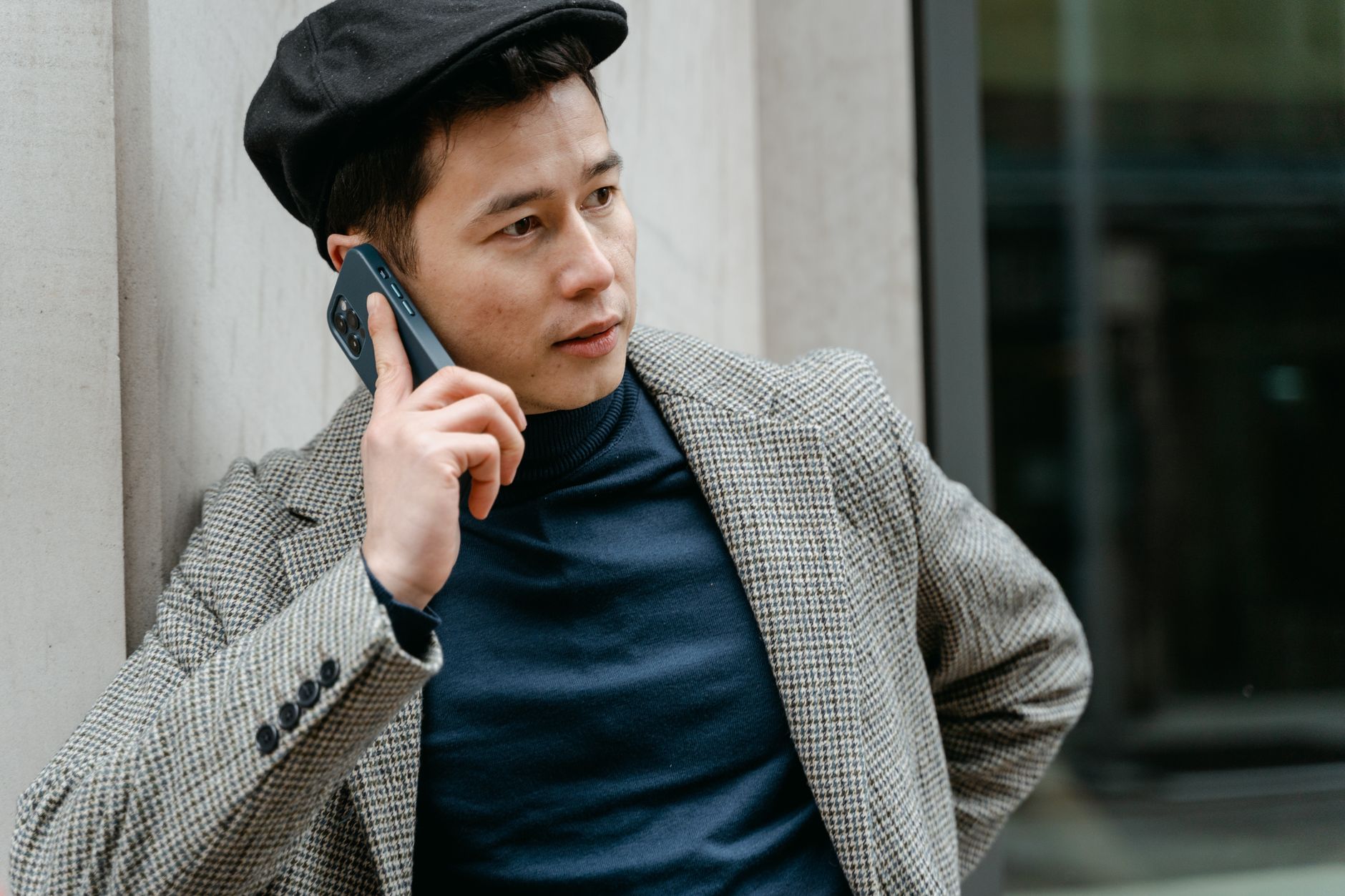
The classic shirt-and-blazer combination has been the backbone of tailored dressing for decades, but it carries certain limitations. Collars gap, buttons pull, and the formality of a dress shirt can work against the more relaxed suiting that has dominated recent seasons. The polo neck skivvy sidesteps all of that. It presents a clean, unbroken line from chin to chest, framing the face without competing with the jacket’s structure.
A growing number of wardrobe stylists and independent tailors are actively recommending the skivvy as an alternative base layer specifically for clients who want a more contemporary read on classic suiting. The reasoning is straightforward: a fine-gauge ribbed polo neck in navy, charcoal, or cream will slide under almost any blazer, instantly moving the outfit away from boardroom rigidity and toward something with more creative authority. It requires no ironing, presents no collar complexity, and holds its shape through a full day of wear.
The garment also travels well across dress codes. Worn under a single-breasted wool blazer with tailored trousers, it hits a register that works from a gallery opening to a business meeting without adjustment. That versatility matters in a moment when the boundaries between professional and personal dressing have softened considerably.
The Texture Factor
Fabric choice is where the skivvy-under-tailoring look either succeeds or collapses. A thin cotton or fine merino will compress neatly beneath a jacket and keep its form all day. A heavier knit will bunch at the shoulders and distort the blazer’s line. The rule, practically speaking, is that the skivvy should be felt rather than seen – present in the neck and the clean chest line, invisible everywhere else.
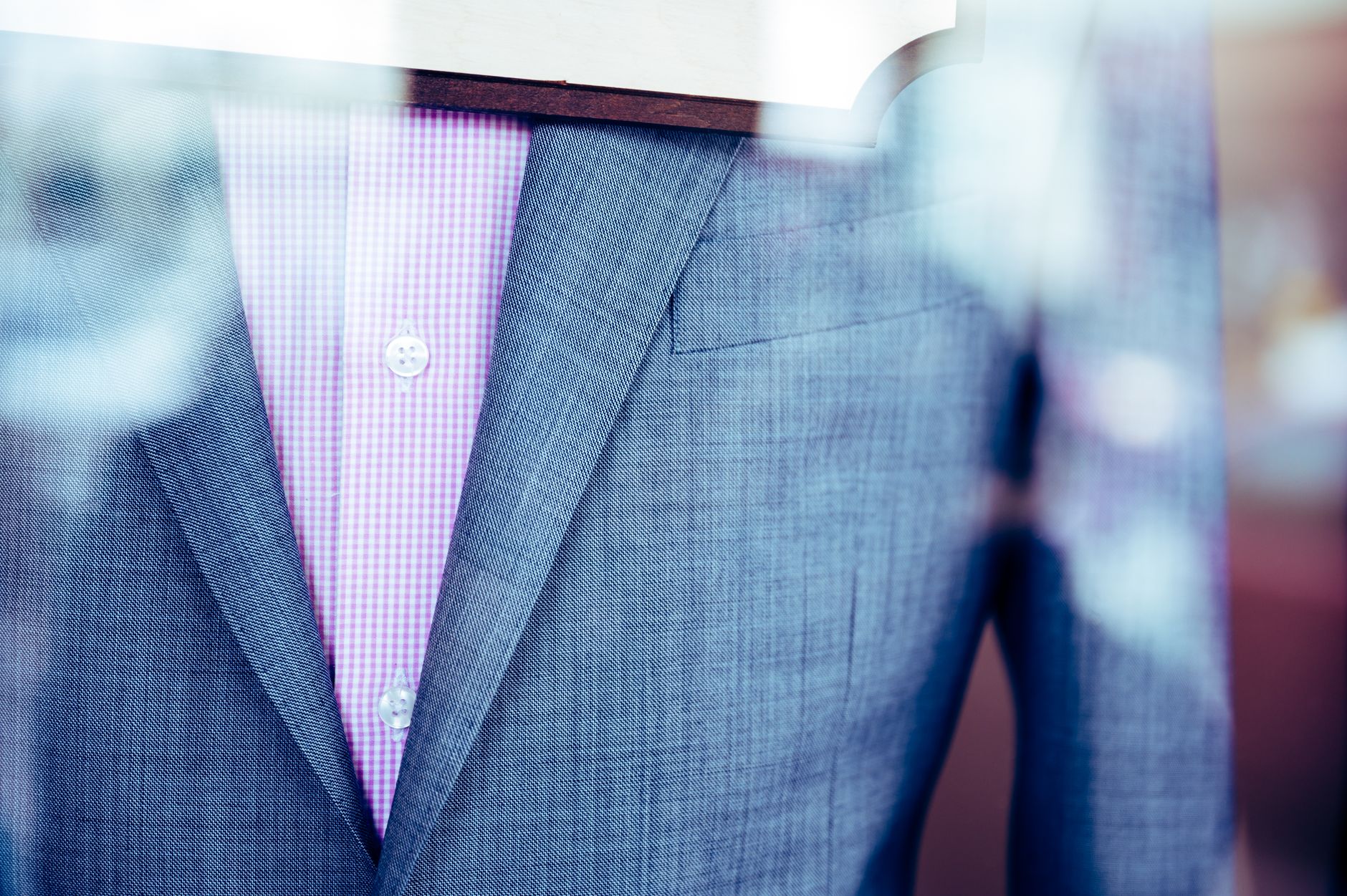
Color plays an equally important role. The strongest approach tends to be tonal dressing – a charcoal skivvy beneath a charcoal or slate blazer, or an ivory piece under an off-white jacket – because it elongates the body and lets the tailoring do its architectural work. A pop of contrast is possible, but it shifts the energy significantly, pulling focus toward the neck and away from the suit’s silhouette.
How the Look Is Being Worn Now
Street style coverage from recent fashion weeks has picked up on this combination with increasing frequency. The specific configurations vary – some feature fine-ribbed black skivvies beneath oversized double-breasted blazers, others pair a cream polo neck with a softly constructed linen suit – but the underlying logic is consistent. The polo neck is functioning as a graphic device, replacing the visual noise of a collar and tie with something quieter and more deliberate.
Menswear has been particularly receptive to this layering approach. The polo neck skivvy fits naturally within the broader move toward softer, less constructed tailoring that has been building for several seasons – suits cut with more drape, shoulders with less padding, waistlines left undarted. Within that context, the skivvy reads as a natural finishing element rather than a jarring addition.
Womenswear has its own relationship with the combination, one that tends toward sharper contrasts. A fitted black polo neck under a wide-shouldered blazer in a bold plaid or a fluid chalk-stripe suit creates a clean graphic that the open-collar shirt simply cannot replicate. The polo neck closes the look at the top without adding decorative detail, which is exactly what strong tailoring often demands.
What is particularly interesting about this trend is that it is happening almost entirely without the machinery of a formal fashion moment. There is no single collection that sparked it, no single celebrity look that launched it into mass consciousness. It has grown through repetition and logic – stylists recommending it, certain editorial spreads featuring it, and a broader shift toward dressing with more considered simplicity. The polo neck’s reentry into sculptural knitwear has run alongside this movement, suggesting the garment is being reassessed across multiple categories simultaneously rather than just in one corner of the fashion conversation.

The real test for this combination is longevity. Layering trends that depend on specific seasonal temperatures tend to plateau quickly, but the skivvy-and-blazer pairing is genuinely functional across a range of climates – cool enough in merino wool for autumn tailoring, achievable in a lightweight viscose blend through transitional months. The question is whether it stays in the quiet, considered register it currently occupies, or whether it gets picked up by fast fashion at volume and loses the precise, understated quality that makes it work in the first place.