

The Equestrian Detail That Festival Fashion Didn’t See Coming
Polo wraps – the stretchy, bandage-style leg wraps long associated with horse care and riding yards – have been showing up somewhere entirely unexpected: layered festival drops from independent labels and a growing number of mainstream capsule collections. What started as a fringe reference in a handful of streetwear lookbooks has grown into a recognizable thread running through summer festival dressing, appearing as wrist wraps, calf bands, and mid-layer texture accents.
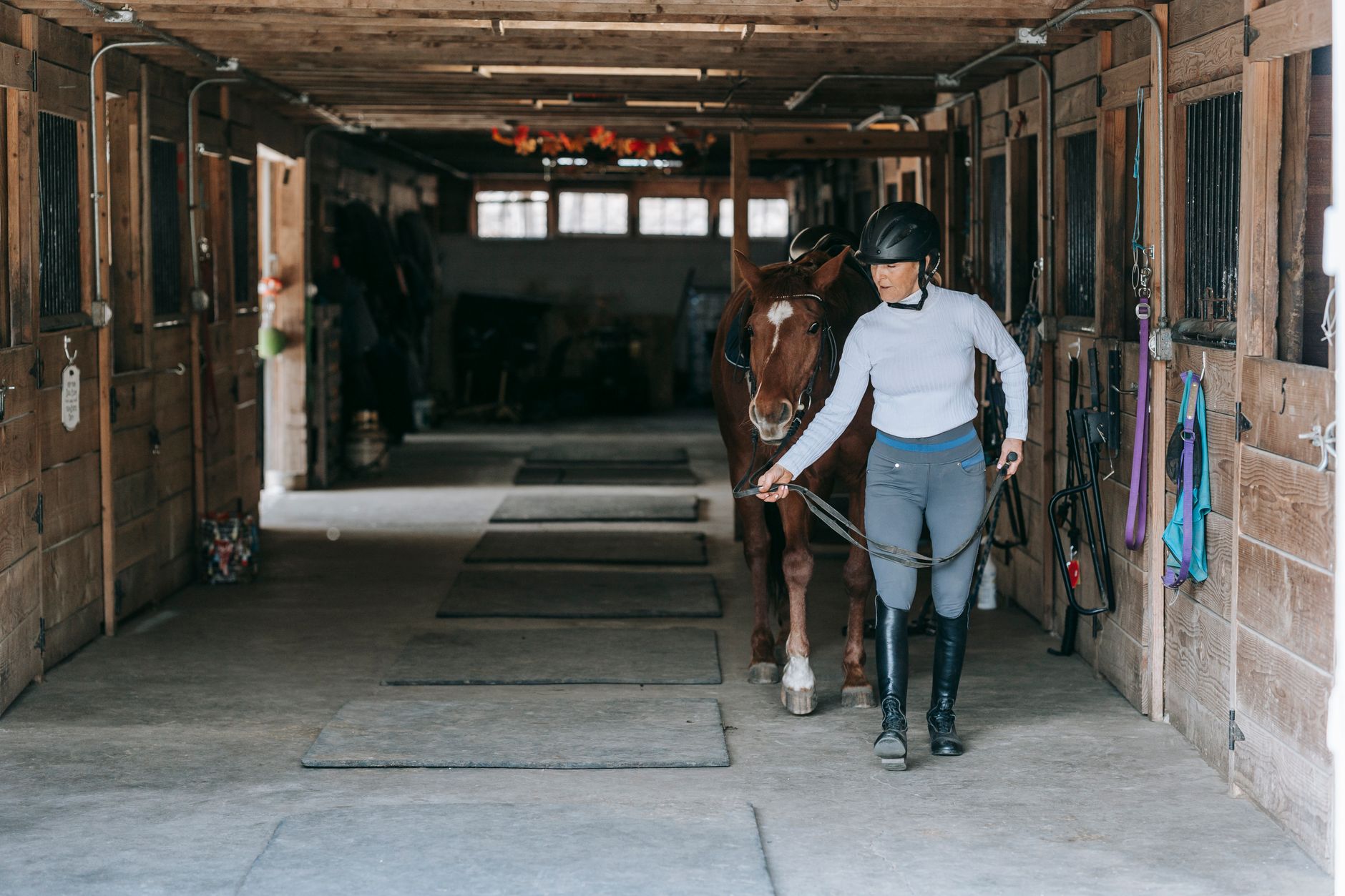
The timing tracks with a wider appetite for sport-heritage codes in casual dressing. Where previous seasons leaned into cycling shorts, rowing club knits, and fencing-influenced white separates, the current wave is pulling from equestrian workwear – not the polished, tailored version that lands at Ascot, but the functional, slightly undone aesthetic of the stable. Polo wraps sit squarely in that territory.
How the Wrap Became a Wearable
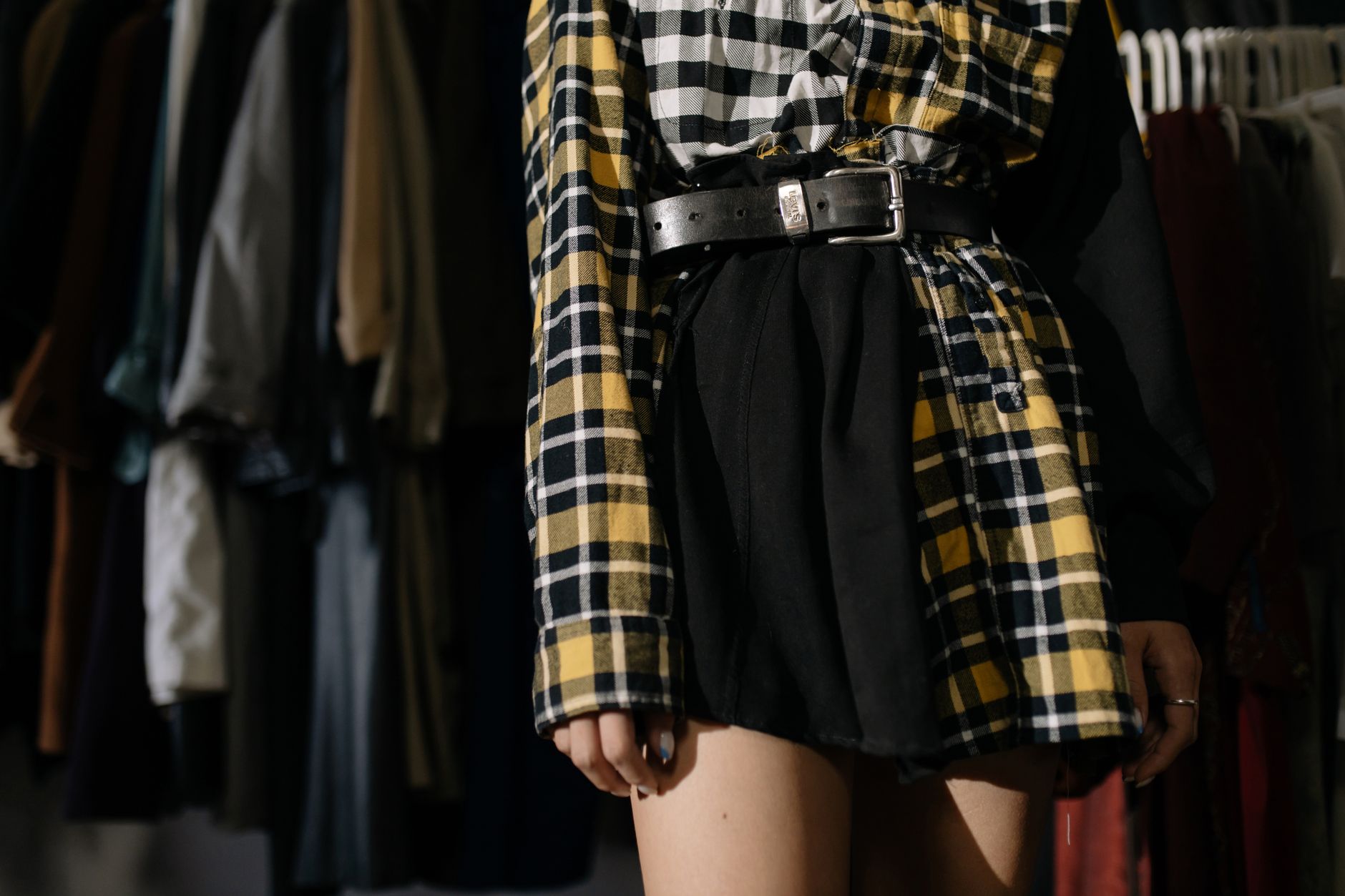
The translation from horse care to human accessory is less strange than it sounds. Polo wraps are essentially long, self-fastening fabric bands designed for compression and support. In a layering context, that same quality reads as intentional and architectural. Wrapped low on the calf over wide-leg trousers, or layered across a forearm over a mesh long-sleeve, they add visual texture without bulk – which is exactly what festival dressing demands when you’re moving between stages and temperature shifts throughout a single day.
Independent designers working in the upcycled and deadstock space have been early to the format. The raw material – soft fleece or cotton-blend strips in dusty equestrian tones like sage, clay, and off-white – fits naturally into collections already working with muted, earthy palettes. Some labels are producing their own versions, while others are sourcing directly from equestrian supply chains and repackaging the product with styling guidance.
The DIY angle matters here. Part of the appeal is that polo wraps are genuinely available outside of fashion channels, and a growing number of festival-goers are sourcing them from tack shops rather than boutiques. That accessibility plays directly into the anti-curation mood that has defined festival dressing since the decline of the coordinated boho look. When an accessory can be bought for a few pounds from a rural equestrian supplier and styled alongside a vintage band tee, it carries a different kind of credibility than something pulled from a trend-targeted drop.
What Makes This Work Aesthetically
The visual logic of a polo wrap in a festival layering context comes down to proportion and surface interest. Festival layering tends to work in large shapes – oversized shirts, wide trousers, drapey outerwear – which creates a need for detail that reads at a distance without competing with the silhouette. A wrap at the calf or wrist does exactly that: it punctuates without overwhelming.
Colour also does significant work. The traditional polo wrap palette – faded rose, pale green, cream, navy – slots directly into the dusty, slightly washed-out tones that have dominated festival fashion for the past two seasons. Labels are not having to adapt the product much at all. The equestrian world arrived at those shades for practical reasons; fashion is borrowing them for entirely different ones, but the result is a natural-looking fit.
There’s also something specific about the texture. Polo wraps have a particular density – not quite knit, not quite woven – that photographs well against the sun-bleached, slightly dishevelled aesthetic that dominates festival content on social platforms. That photographic quality is not incidental. Festival looks now exist as much as documentation as they do as live dressing, and pieces that hold up in natural light, wind, and motion have a functional advantage over anything that requires careful staging.
The polo collar revival has already demonstrated that equestrian codes can move cleanly from their source context into everyday dressing without losing legibility. The wrap is following a similar path, except its entry point is even more utilitarian – which arguably makes it more durable as a trend. Trends anchored in function tend to stick around longer than those built purely on aesthetic novelty, because they give people a reason to keep wearing them past the initial wave of interest.
What’s harder to predict is whether the polo wrap stays in the hands of independent labels and market-savvy individual buyers, or whether it gets absorbed into high-street festival edits and loses the rough-edged quality that made it interesting in the first place. A bandage-style wrap produced in fast-fashion polyester, branded with a label’s logo, and sold as a festival accessory is a very different object from a genuine equestrian supply sourced out of a tack shop in Berkshire. The gap between those two versions is where the trend currently lives – and that gap is closing fast.
Frequently Asked Questions
What are polo wraps in a fashion context?
Polo wraps are equestrian bandage-style fabric strips traditionally used on horses. In festival fashion, they are worn as calf bands or wrist wraps to add texture to layered looks.
Where can you buy polo wraps for styling?
Many people are sourcing genuine polo wraps from equestrian tack shops rather than fashion retailers, which is part of their appeal as an accessible, anti-trend accessory.