

Polo ponies have long been plaited before matches – a practical tradition rooted in keeping manes tidy and tack secure. The small, tight bands used to section and bind those braids are now appearing far from the stable yard, showing up in editorial shoots, street style photography, and the kind of carefully considered everyday dressing that signals a trend in early motion.
The shift is quiet by design. Polo plaiting bands are not making noise the way a statement barrette or an embellished claw clip would. They work precisely because they read as nothing at first glance – and then, on closer inspection, reveal a level of grooming intentionality that elevates even the simplest ponytail or braid into something that looks considered.
Where the Aesthetic Connection Comes From
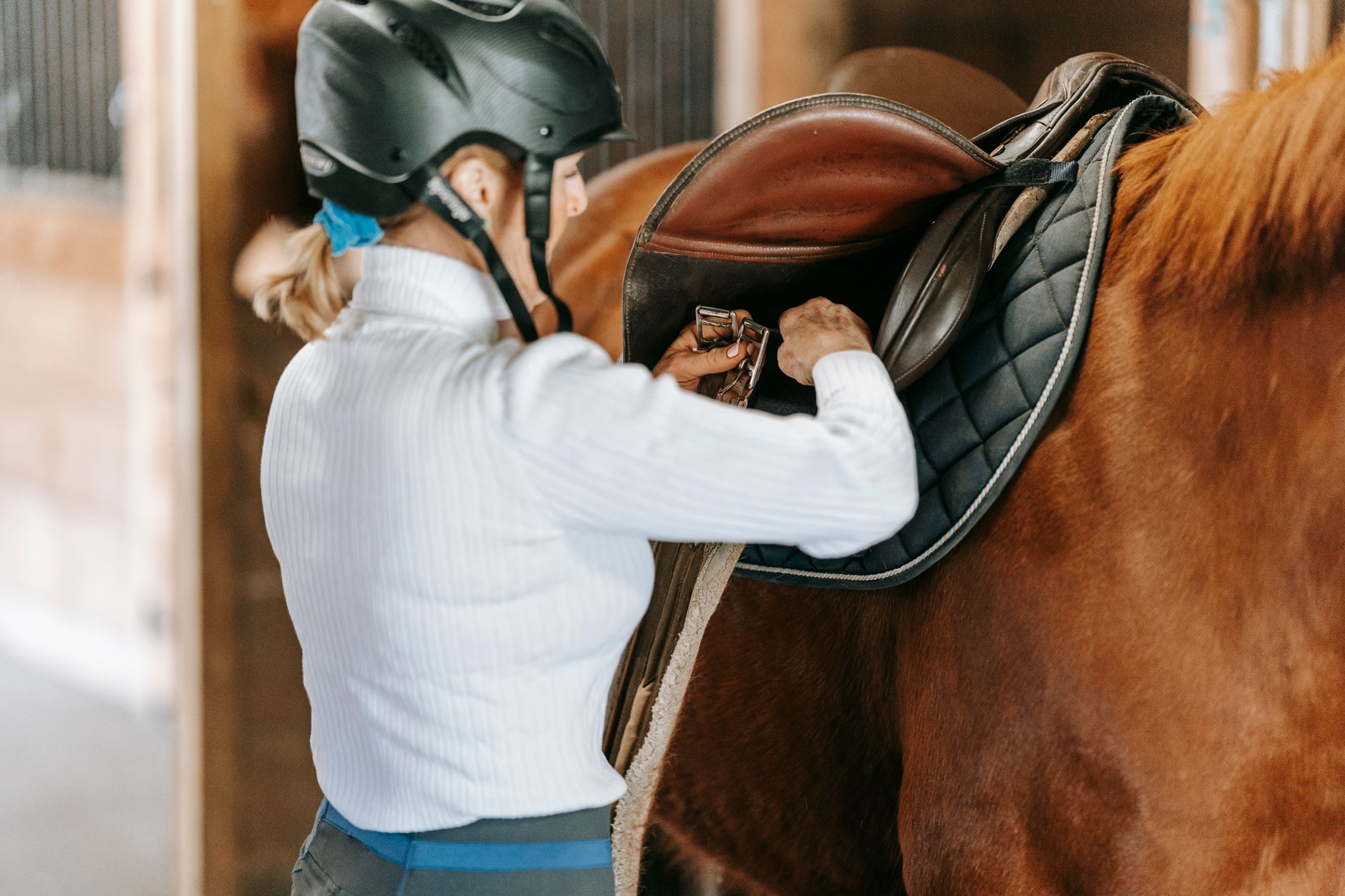
The equestrian world has always maintained an uneasy relationship with mainstream fashion. Riding clothes were adopted long before athleisure existed as a category – breeches, paddock boots, and technical outerwear were crossing into civilian wardrobes for reasons of both function and aesthetic. Hair was always part of that picture. The polished, plaited look of a well-turned-out rider carries a specific visual grammar: controlled, precise, and effortless in a way that implies deep familiarity rather than effort.
Polo plaiting bands fit neatly into that grammar. They are typically sold in bulk for stable use – small rubber or silicone rings in black, white, brown, or mane-matching shades – and their design is entirely without decoration. No logo. No hardware. No color story. That absence is exactly what makes them interesting to a minimalist hair aesthetic that has been building across multiple fashion cycles.
The current appetite for quiet accessories is not hard to trace. After several seasons of maximalist hair moments – sculptural clips, jeweled pins, oversized bows – the countermovement toward restraint was predictable. What was less predictable was the specific source material that would satisfy it. Polo plaiting bands occupy a functional category that was never intended to be fashion, which is precisely the kind of origin story that gives a trend its credibility.
How They Are Being Worn
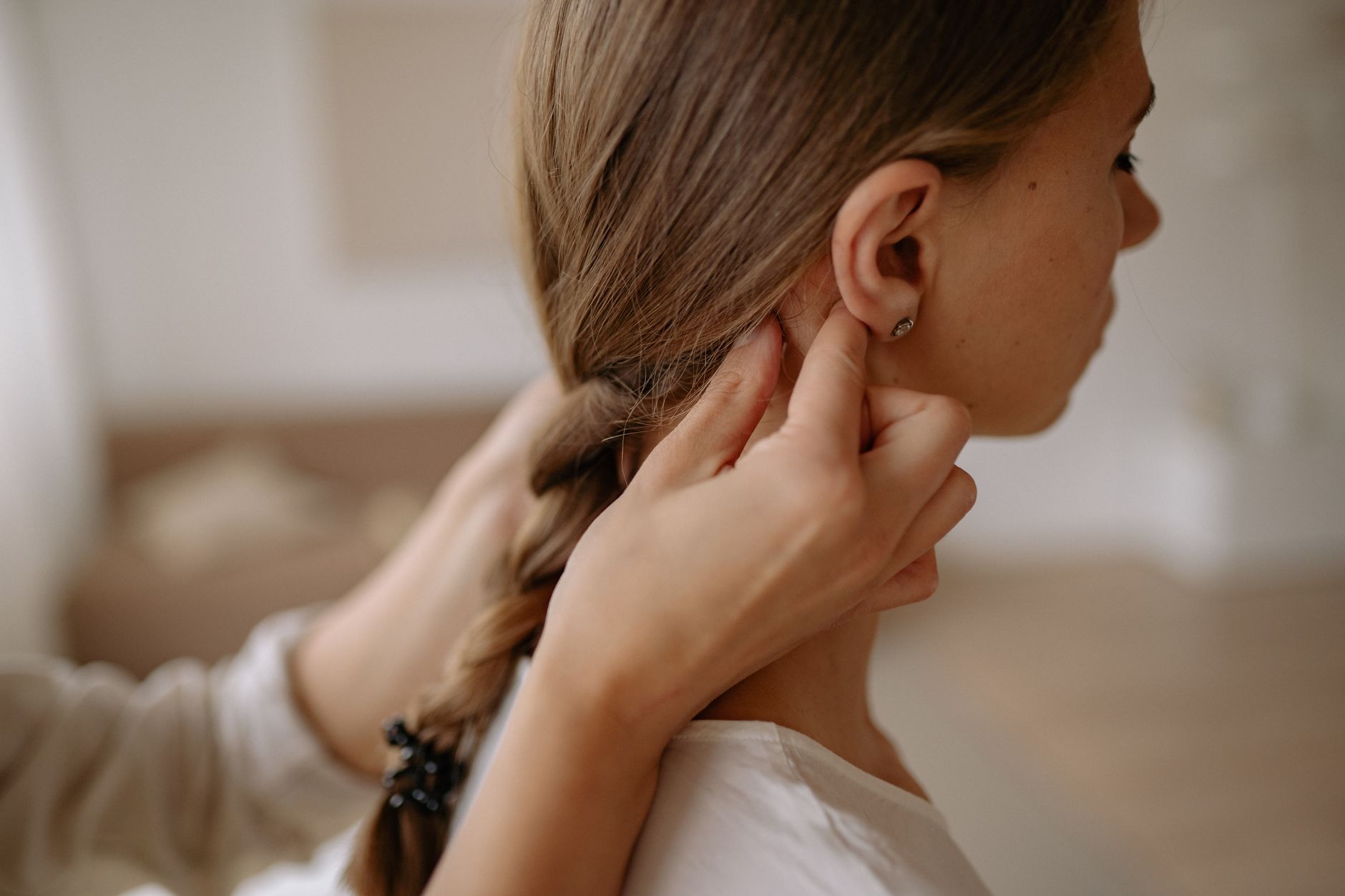
The most common application is using them to create tightly segmented braids, wrapping a band every inch or so down the length of a plait rather than tying off at the end. The effect is architectural and clean – each section distinct, the whole thing reading more like a design decision than a hairstyle. The technique requires patience but no professional skill, which broadens its appeal considerably.
A second approach treats them as a replacement for standard hair elastics at the base of a ponytail or bun. A single band, or two stacked closely together, creates a neater gather than most conventional elastics, with less visual bulk and a flatter profile against the hair. For anyone who has spent time around horses or watched a groom work, the association is immediate. For everyone else, it just looks precise.
The Minimalism Logic Behind the Trend
Minimalist accessory dressing has its own internal logic that goes beyond simply wearing less. The point is not absence but selection – choosing the one thing that does its job so well that nothing else is needed. A polo plaiting band does exactly that. It holds. It disappears. It signals awareness of proportion and scale in a way that a bulkier elastic cannot.
There is also a tactile dimension worth considering. These bands are not particularly precious – they cost very little and come in large quantities – which removes any anxiety around losing or damaging them. That disposability, paradoxically, makes them easy to use with confidence. The same logic applies to a white t-shirt or a plain canvas tote: the thing works because it does not ask anything of you emotionally.
The sport-to-street pipeline has been one of the more durable mechanisms in fashion for the past decade. Cheerleading uniforms moving into casualwear and other athletic references crossing into everyday dressing follow the same basic pattern: a functional object from a specific sporting context gets stripped of its original purpose and adopted for its aesthetic alone. Polo plaiting bands are a particularly pure example of this because they carry almost no cultural baggage outside the equestrian world. They arrive in civilian hair dressing clean.
What makes this particular moment feel different from a simple novelty trend is how well the bands sit alongside other current minimalist signals – tonal dressing, structured bags, flat shoes, unadorned jewelry. They are not competing with anything. They slot into an existing visual language without adjustment, which is a quality that tends to give accessories staying power beyond a single season.
The question worth sitting with is whether the trend stays at the level of knowing adoption – the kind of thing a small group of style-conscious people do quietly – or whether it gets picked up widely enough to lose the precision that makes it work. Once a minimalist object becomes ubiquitous, the minimalism starts to function differently. Polo plaiting bands at scale would simply become the new hair elastic. Whether that outcome changes anything about their appeal is a tension the trend has not yet had to resolve.