


Rowing club hardware has long served a purely functional purpose – keeping boats intact under pressure, not keeping jackets fashionable. That calculus is changing, quietly and without much fanfare, as the small metal clips used to secure rigger gate pins on competitive shells are making their way onto the tab closures of minimalist outerwear.
Where the Hardware Comes From
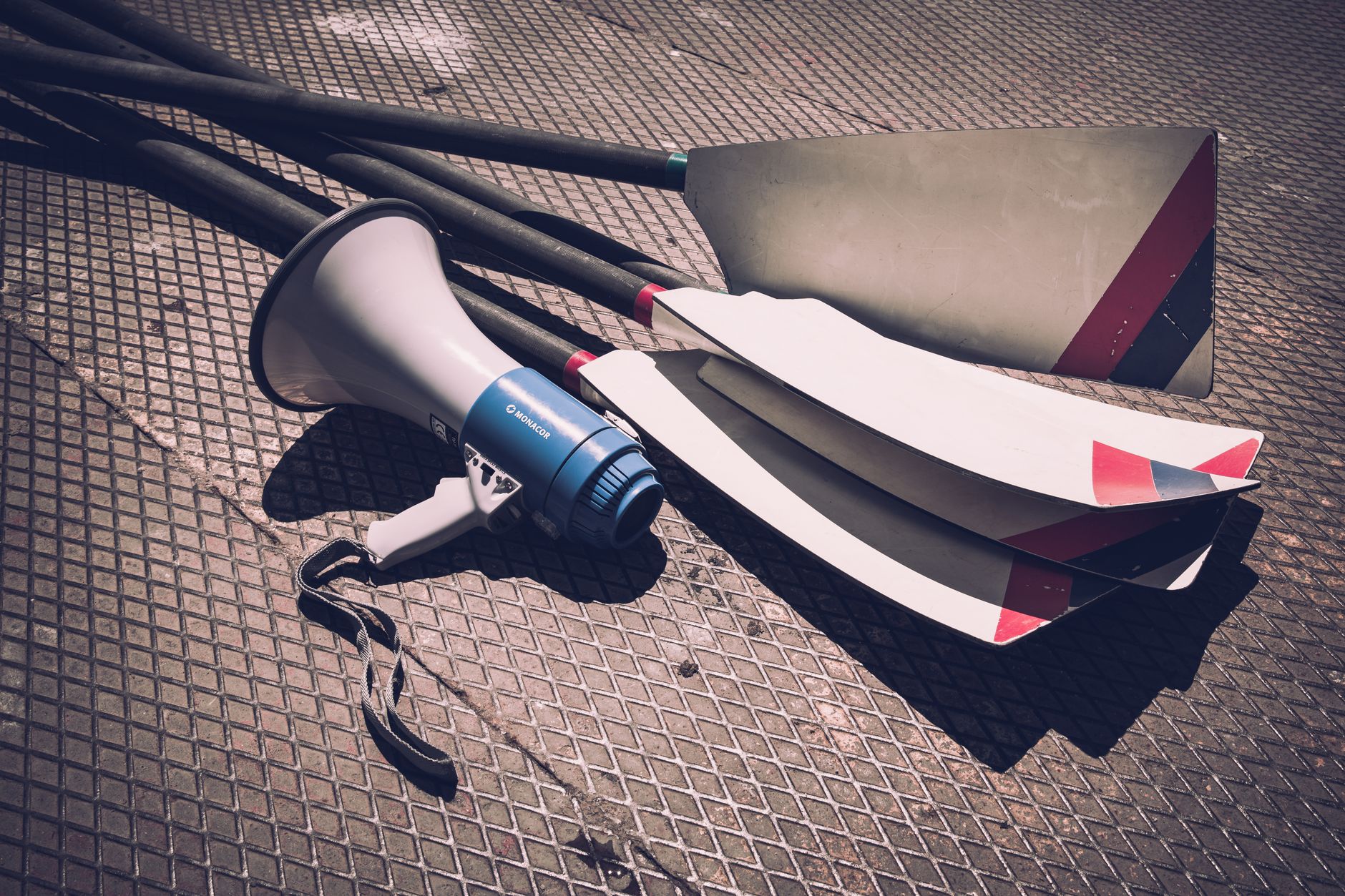
Gate pin clips – sometimes called safety clips or pin locks – are the simple sprung-metal fasteners that lock a rigger’s gate shut, preventing the oar from popping free during a stroke. They are unadorned by design. A rowing club’s equipment shed is full of them: small, dull-finished, engineered for grip rather than looks. Their shape is closer to an industrial staple than anything you would expect to find at a sample sale.
The rowing world treats them as consumables. Clubs order them in bulk, coaches carry spares in their pockets, and nobody thinks twice about their appearance. That indifference to aesthetics is, counterintuitively, exactly what made them attractive to a certain kind of outerwear designer. When a hardware detail carries zero fashion baggage, it can be borrowed freely without reading as costume or pastiche.
A growing number of European sportswear labels – particularly those operating in the space between technical outerwear and quiet luxury – have been sourcing or referencing this specific clip profile for jacket tab systems. The appeal is mechanical clarity: the clip closes with a positive, audible snap, holds without bulk, and opens with one finger. That is a better functional story than most toggle or button systems on the market.
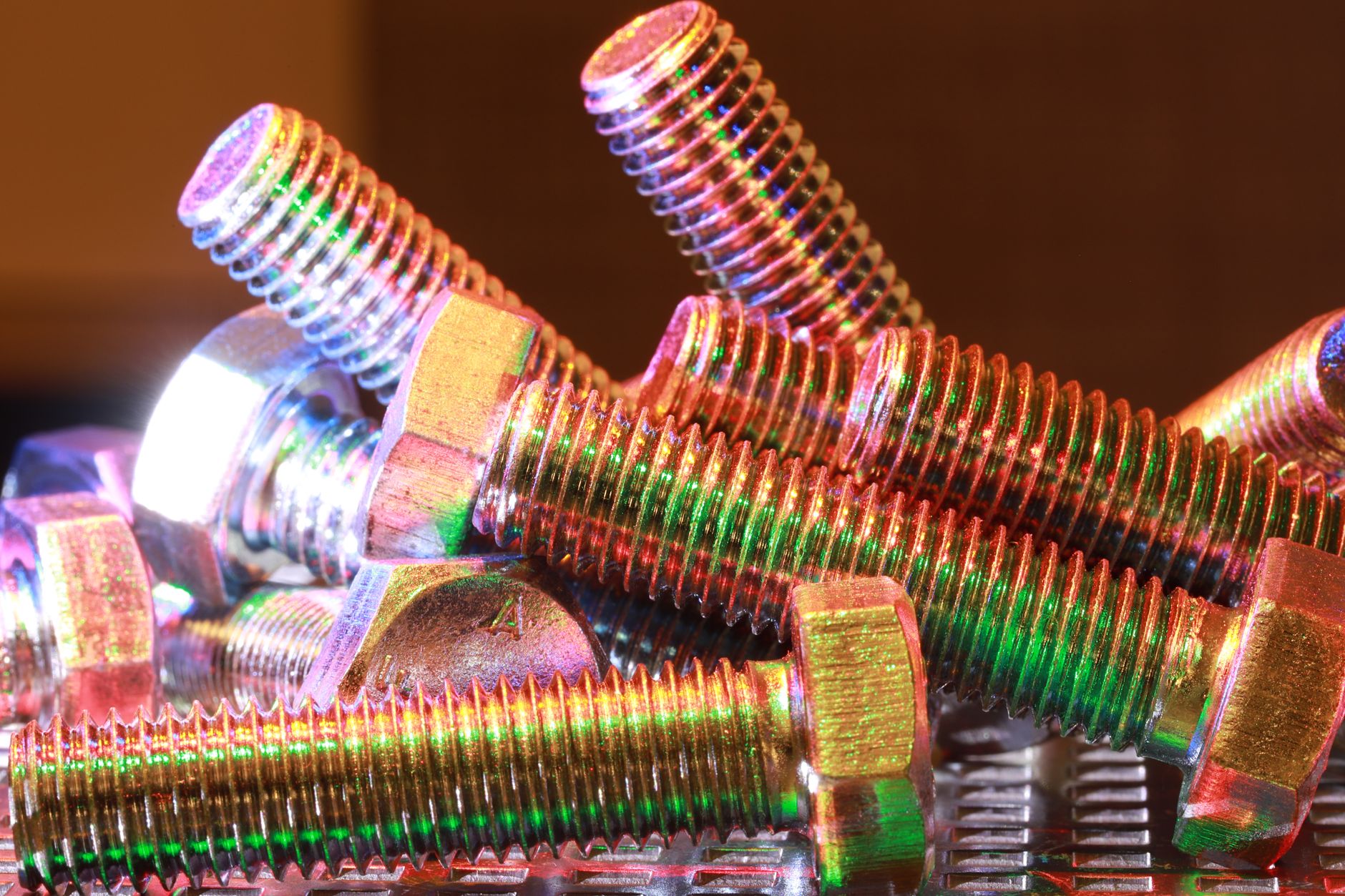
The material finish matters, too. Gate pin clips are typically zinc alloy or stainless steel with a matte or brushed surface. Neither shiny nor painted, they sit against a jacket’s fabric without competing with it – a useful quality when the jacket itself is doing the minimal design work that the market currently rewards.

Why Minimalist Jackets Specifically
The minimalist jacket – whether a coach coat, a structured blouson, or a tailored field jacket – lives and dies by the quality of its closures. A zipper with a cheap pull, a button that sits slightly wrong, or a snap that rattles all read immediately as cost-cutting. The tab closure, where a strip of fabric or grosgrain runs through a fastening mechanism at the cuff, hem, or collar, is one of the most visible points of construction detail on a clean garment. Getting it right signals that the rest of the garment is equally considered.
Standard tab closures often use D-ring slides, friction buckles, or simple press studs. All of them work, but none of them have a story. The gate pin clip arrives with a functional lineage – it belongs to a sport with a particular cultural association: early mornings, physical discipline, institutional colour, a certain kind of inherited seriousness. That association transfers without needing to be explained. Someone who knows what the clip is will recognize it; someone who does not will simply see a well-made fastener.
The clip’s geometry also suits tab construction specifically. Because it is designed to hinge open and snap shut around a cylindrical pin, it adapts naturally to a bar-and-loop tab system. The bar is sewn into the tab end; the clip springs around it and locks. The result is a closure that feels more mechanical and intentional than a press stud, without the heft or visual noise of a carabiner-style clip.
Colour is another factor. Outerwear in the current market favors neutral, undyed, or single-tone palettes – stone, slate, navy, ecru. Hardware in gold or polished silver disrupts that palette. Matte stainless and brushed zinc do not. The gate pin clip’s standard finishes are, accidentally, ideal for the aesthetic direction that a wide range of labels are currently pursuing.
This also connects to a broader interest in sport-derived utility details that do not announce themselves. Rowing club hardware appearing on accessories is a pattern that has shown up in bag construction as well, with rubbing strip profiles borrowed from boat hull design appearing on tote bases. The gate pin clip is part of that same quiet migration of functional objects into fashion contexts where the function is real, not decorative.
What It Signals for the Season Ahead
The direction this points in is not nautical theming, which fashion has visited and revisited to diminishing returns. It is something more restrained: a preference for hardware that earns its place by doing something specific and doing it well. The gate pin clip closes a tab. It does this better than most alternatives. That is the whole argument, and for the minimalist jacket market, that argument is sufficient.
The question worth sitting with is how long a detail this niche can remain unfamiliar. Once it appears across enough jackets at enough price points, the clip loses the quiet authority it currently carries – and the rowing equipment shed will need to produce something else worth borrowing.