


When Rowing Club Hardware Meets the Knitting Loom
Loom knitting has always occupied a niche that sits somewhere between craft hobby and serious textile practice. The technique – working yarn over pegs arranged in a fixed formation to build fabric – produces a distinctive, rounded stitch that differs from needle-knit work in texture and tension. What makes the current moment interesting is what’s influencing the design of those pegs themselves: the aesthetic and functional language of rowing club equipment, specifically the saxboard loom peg, is beginning to appear in cuff-focused loom knit construction.
The saxboard is the structural rail running along the inner gunwale of a rowing shell, the surface where oarlocks and fittings are mounted. Its pegs – short, smooth, load-bearing, and spaced with mechanical precision – have a profile that translates surprisingly well to knitting loom design. The crossover isn’t accidental. A small but growing circle of textile designers and loom manufacturers are borrowing directly from that hardware language to build cuff-specific looms with tighter peg spacing, smoother crowns, and a stiffer rail construction that mimics the rigidity of a shell’s saxboard.
The Anatomy of a Peg That Changes Everything
Standard loom knitting pegs are functional but generic – molded plastic, uniform height, spaced for general-purpose gauge work. Saxboard-influenced pegs look different at a glance. They tend to be shorter and more cylindrical, with a slightly convex crown that allows yarn to seat at a specific angle without slipping. That crown geometry comes directly from oarlock pin design, where consistent load direction matters. In loom knitting, it controls stitch uniformity in a way that flat-topped or slightly concave pegs simply don’t.
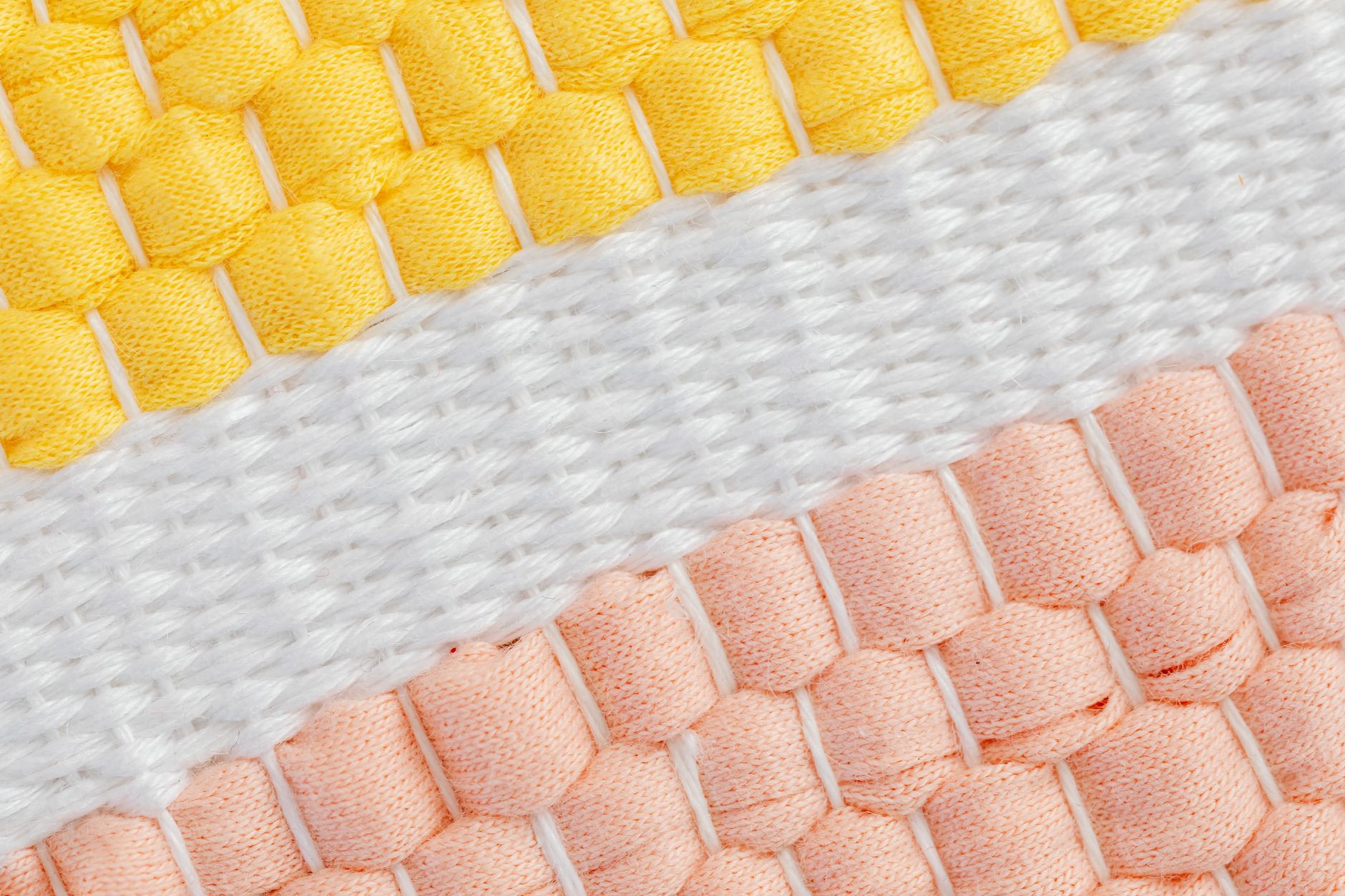
For cuff construction specifically, that control matters more than anywhere else in a garment. A cuff takes repeated stress – pulling on, pulling off, wrist movement throughout the day. The tension across loom knit cuffs has to be even and the stitch structure has to hold its shape without bagging or distorting at the edges. Saxboard peg geometry addresses this at the formation stage, before the yarn ever leaves the loom. Designers working with this format report that the resulting fabric has a firmness and recovery that standard loom cuffs rarely achieve without post-blocking or additional finishing.
Rail stiffness is the other variable being borrowed. Rowing saxboards don’t flex under load – they’re built to hold fittings in fixed alignment even when the shell is under pressure. Loom manufacturers drawing from that principle are building cuff looms with reinforced bases and less give in the peg anchoring. The result is that the working tension stays consistent across the full round, rather than shifting as the maker’s grip pressure changes. This sounds like a minor adjustment. For anyone who has spent time trying to get professional-looking ribbing out of a standard loom, it’s not minor at all.

Why Cuffs Specifically
It would be reasonable to ask why this hardware influence is showing up in cuff work rather than in larger loom projects – blankets, hats, full sleeves. The answer is partly about scale and partly about visibility. Cuffs are small enough that a specialized loom with different peg geometry is economically practical to produce and purchase. A cuff loom can have 24 to 40 pegs and still represent a manageable investment, whereas redesigning a large-diameter hat loom or a long flat loom with saxboard-style hardware would push the cost beyond what most makers would spend.
Visibility matters too. The cuff sits at the wrist, the most exposed point of any sleeve, and it draws the eye in a way that the body of a sweater or the crown of a hat often doesn’t. Makers who invest time in technique want that investment to show up somewhere legible, and a cuff with tight, even, well-seated stitches reads immediately as different from a standard loom result. The saxboard peg format is delivering that visible difference, and once makers see it in finished work, the comparison to conventionally loomed cuffs becomes hard to ignore.
The Craft Community Response
Loom knitting communities online have been circulating images of saxboard-influenced cuff work for a while now, but the commentary has been largely technical rather than trend-focused. Makers are discussing peg crown angles and rail materials in detail. Some are modifying existing looms with hand-turned wooden pegs that replicate the saxboard profile. Others are commissioning small-batch runs from woodworkers and machinists who can produce the geometry in wood, brass, or aluminum. The DIY angle here is significant – this isn’t a trend driven by a major manufacturer rolling out a new product line, at least not yet.
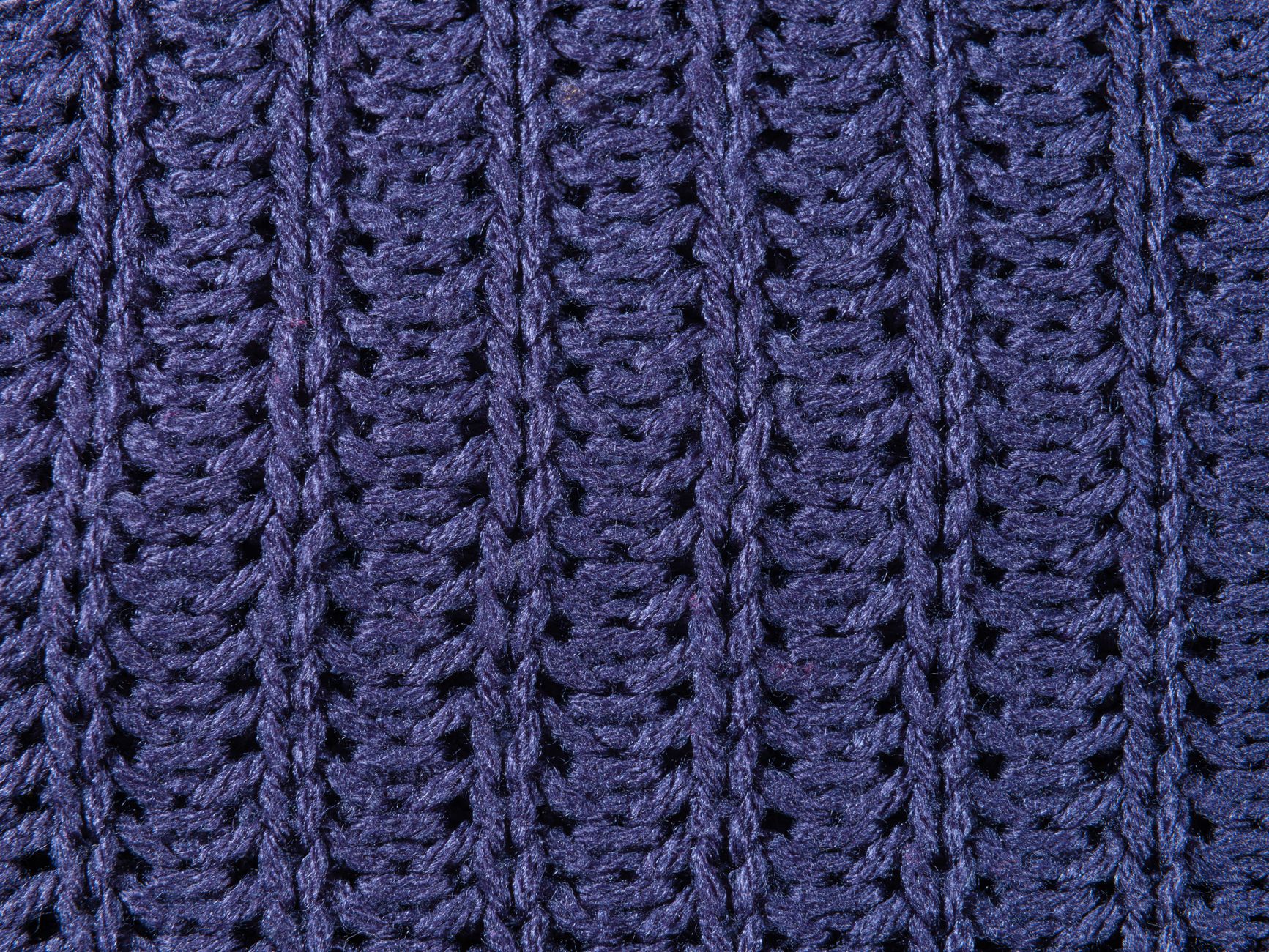
The textile result that’s getting the most attention is a 2×2 rib cuff with no visible draw-in at the cast-on edge – a finish that’s genuinely difficult to achieve on standard looms without manual adjustment at every round. Saxboard peg spacing and crown geometry appear to make that finish easier to produce consistently, because the yarn loads onto each peg at the same angle regardless of the maker’s hand position. That repeatability is what separates a technique from a trick. A trick works once with careful attention. A technique works reliably, across projects, with less intervention.
There’s also a materials conversation happening alongside the peg geometry discussion. Makers drawn to the rowing club aesthetic aren’t just borrowing hardware logic – they’re pairing saxboard-influenced looms with yarn choices that reinforce the reference. Nautical wools, undyed fleece, tightly twisted worsted-weight yarn in navy and cream: these choices show up consistently in the finished work being shared. The cuff, in this context, becomes something closer to a statement about material culture and craft lineage than a simple knitting project.
What remains unresolved is whether this stays a specialized niche or whether the peg geometry itself gets absorbed into mainstream loom manufacturing. The case for mainstream adoption is straightforward – the technical advantages are real and would benefit makers across skill levels. The case against is that most loom knitters are working with equipment they already own, and the difference in results, while meaningful, doesn’t necessarily justify replacing functional tools. The saxboard loom peg may end up influencing how premium cuff looms are designed without ever appearing in a big-box craft store, which is itself a specific kind of market outcome – one where the craft community leads and manufacturing follows slowly, if at all.
Frequently Asked Questions
What is a saxboard loom peg in knitting?
It’s a peg design borrowed from rowing shell hardware, featuring a convex crown and precise spacing that improves stitch consistency in loom knit cuffs.
Why are saxboard pegs better for knitting cuffs?
The crown geometry seats yarn at a consistent angle, reducing tension variation and producing tighter, more even rib stitches without additional finishing.