

The weightlifting belt – a thick, utilitarian strap of leather or nylon built to stabilize the spine under heavy load – has no obvious business appearing on a runway lookbook or a luxury streetwear drop page. And yet, here we are.
From the Platform to the Pavement
A growing number of streetwear labels are pulling gym-specific hardware into their seasonal collections, and the weightlifting belt is becoming one of the more unexpected recurring pieces. Not a softened, logoless version tucked discreetly into an outfit – but wide, buckled, deliberately oversized belts worn cinched over hoodies, tech fleece, and tailored outerwear. The functional object is being worn as the focal point, not hidden as an accessory.
The appeal follows a logic that streetwear has used before: take something with an authentic subcultural history, strip away its invisibility, and wear it loud. Workwear did it with Carhartt. Military surplus did it through countless eras. The gym – specifically the competitive lifting world of powerlifting and Olympic weightlifting – is doing it now. The belt carries visual weight because it actually carries weight. That provenance is exactly what makes it transfer so well.
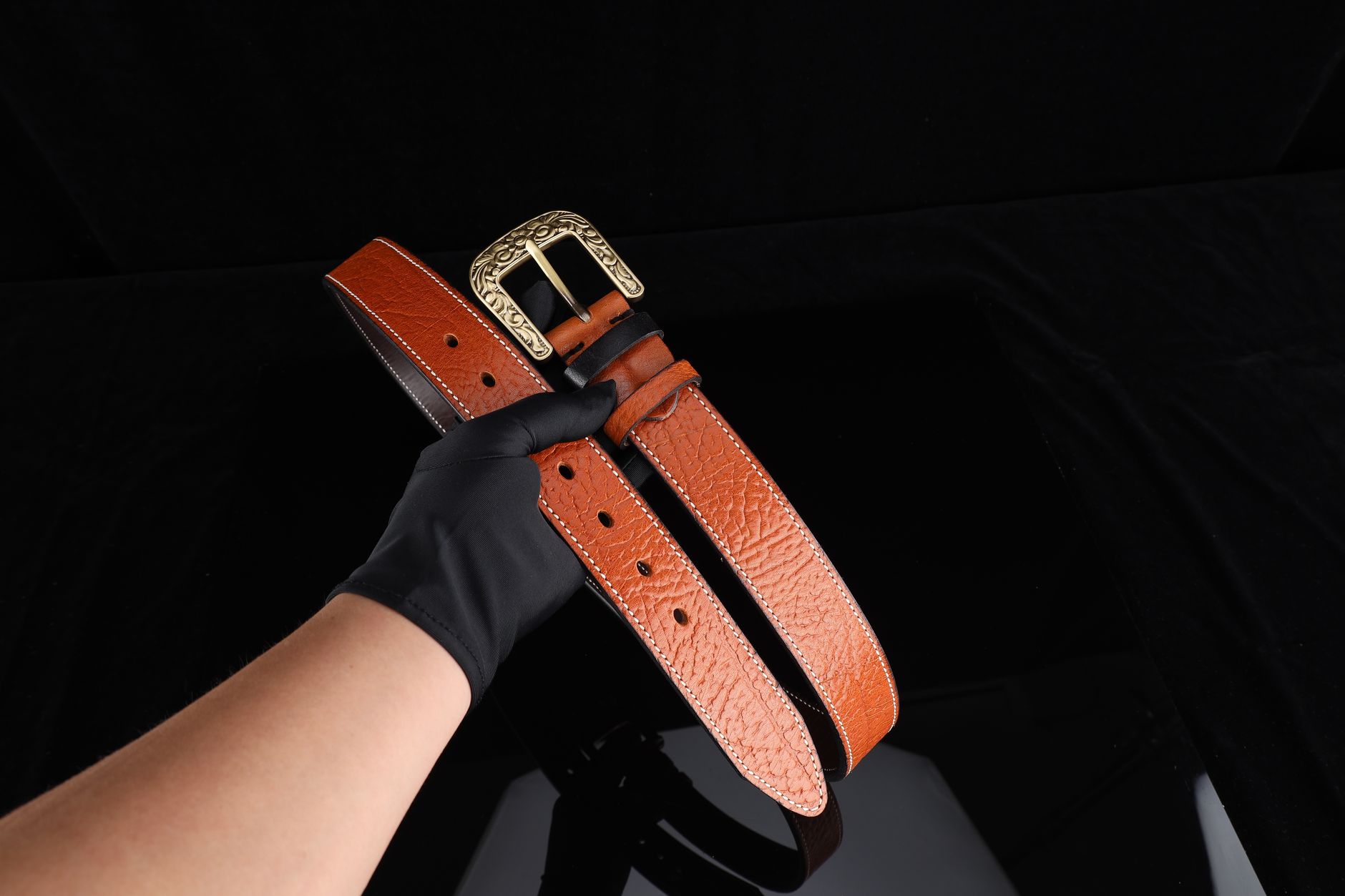
What separates this from a straightforward sports crossover is the specific aesthetic language being borrowed. This is not athleisure, which smoothed athletic gear into palatable everyday wear. This is blunter. Wider. The belts appearing in current drops measure four to six inches at the back, feature heavy-duty prong or lever buckles, and are made from materials – vegetable-tanned leather, reinforced nylon canvas – that reference industrial use rather than gym cleanliness. Some labels are adding embossed branding or contrast stitching, but the silhouette stays deliberately utilitarian.
The color palette follows suit. Black, raw tan, olive, and muted red are dominating the releases. A few brands are experimenting with pastel colorways on the hardware while keeping the belt body neutral, creating a tension between softness and the object’s inherent bulk. That contrast – delicate color on an aggressive shape – is the kind of styling tension that streetwear collectors respond to strongly.
Why Luxury Is Taking the Bait
The more interesting development is not that streetwear labels are doing this – they move fast and absorb subcultural references constantly – but that higher-end fashion houses are beginning to follow. Luxury brands that typically maintain distance from gym culture are introducing wide structured belts with functional buckle systems into their accessory lines. The pieces are priced well above anything a powerlifter would buy for actual training, but the visual language is unmistakably borrowed from the platform.
This happens because luxury fashion operates on a cycle of borrowing and elevating. Workwear elements, punk hardware, military construction – all of these have been laundered through high-end design and sold back at multiples. The weightlifting belt fits neatly into that cycle. It is recognizable, slightly transgressive in a formal-adjacent context, and has enough structural presence to carry a runway look. A belt that wide worn over a structured coat commands attention in a way that a standard leather waist belt simply cannot.
There is also a body conversation embedded in this trend. The weightlifting belt, when worn as fashion, draws the eye directly to the torso and cinches the silhouette in a way that reads as deliberate physical emphasis rather than modesty. It is a piece that says something about the body wearing it, which is not neutral territory in fashion. Some designers appear to be working with that tension directly – pairing the belts with oversized or deliberately shapeless garments so the belt becomes the single structural element defining the wearer’s outline.
The styling versatility is wider than it might initially appear. Worn over a long-line crewneck and wide-leg trousers, the belt functions as a waist-defining layer without requiring a fitted garment underneath. Worn over a heavy wool coat, it introduces an almost armor-like quality to the silhouette. Worn with a slip dress or a sheer layer, the combination of soft fabric and hard hardware creates the kind of contrast that photographers and stylists actively seek out for editorial work. That range is what separates a genuine trend from a one-season gimmick.
The resale market is already reflecting demand. Select limited-run pieces from recent drops – particularly those in vegetable-tanned leather with oversized prong buckles – are trading above retail within weeks of release. That behavior signals that buyers are treating these as collectibles, not just wearables, which is the same pattern seen when any functional object crosses into fashion and acquires cultural value beyond its original use.
The Authenticity Question
The obvious friction point is that the lifting community did not ask for this. Powerlifters and Olympic lifters who use these belts as serious training tools have watched their equipment get aestheticized and marked up, which tends to produce a specific kind of exhaustion in any subculture that fashion decides to borrow from. A belt that a competitive lifter spends years breaking in, that carries chalk residue and the memory of maximal attempts, does not have the same biography as a fashion piece shipped in a dust bag. Whether that gap matters to buyers outside the lifting world is, realistically, the whole question.
What the trend does not resolve is whether the weightlifting belt can hold its fashion relevance once it stops feeling unexpected. The pieces generating the most interest right now derive a significant portion of their appeal from incongruity – the surprise of seeing that object in that context. Once the context absorbs the object and the surprise fades, what remains is a very wide belt. Whether designers can continue finding new framings for it, or whether the trend burns through its novelty quickly, will depend entirely on how far the styling conversation can actually travel.