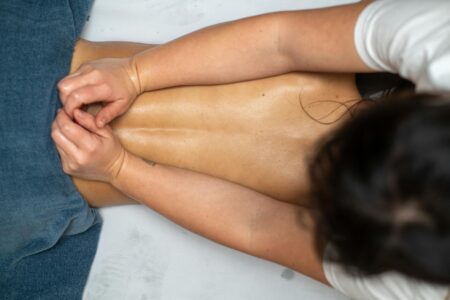


The Four Seasons Beverly Hills recently added Panchakarma treatments to its spa menu, joining a growing movement of luxury wellness destinations embracing 5,000-year-old Ayurvedic healing practices. What once required pilgrimages to Kerala ashrams now unfolds in marble-appointed treatment rooms across Manhattan, Miami, and Malibu.
This ancient Indian medical system, which translates to “life knowledge,” has quietly infiltrated America’s most exclusive spas over the past three years. The Ritz-Carlton New York offers abhyanga oil massages using sesame and coconut oils infused with medicinal herbs. The St. Regis Aspen features shirodhara treatments where warm oil streams continuously over the forehead for deep meditation states.
The shift represents more than spa trend-chasing. Ayurveda’s personalized approach to wellness, which categorizes individuals into three doshas or body types, appeals to clients seeking alternatives to one-size-fits-all beauty routines. Each dosha – Vata, Pitta, or Kapha – requires specific treatments, oils, and lifestyle adjustments for optimal health and radiance.
Traditional Treatments Meet Modern Luxury
Ayurvedic spa treatments center on restoring balance through ancient techniques adapted for contemporary comfort. The signature panchakarma experience involves five purification processes designed to eliminate toxins and reset the body’s natural rhythms. Modern interpretations focus on the more accessible elements: specialized massages, herbal steam baths, and customized oil treatments.
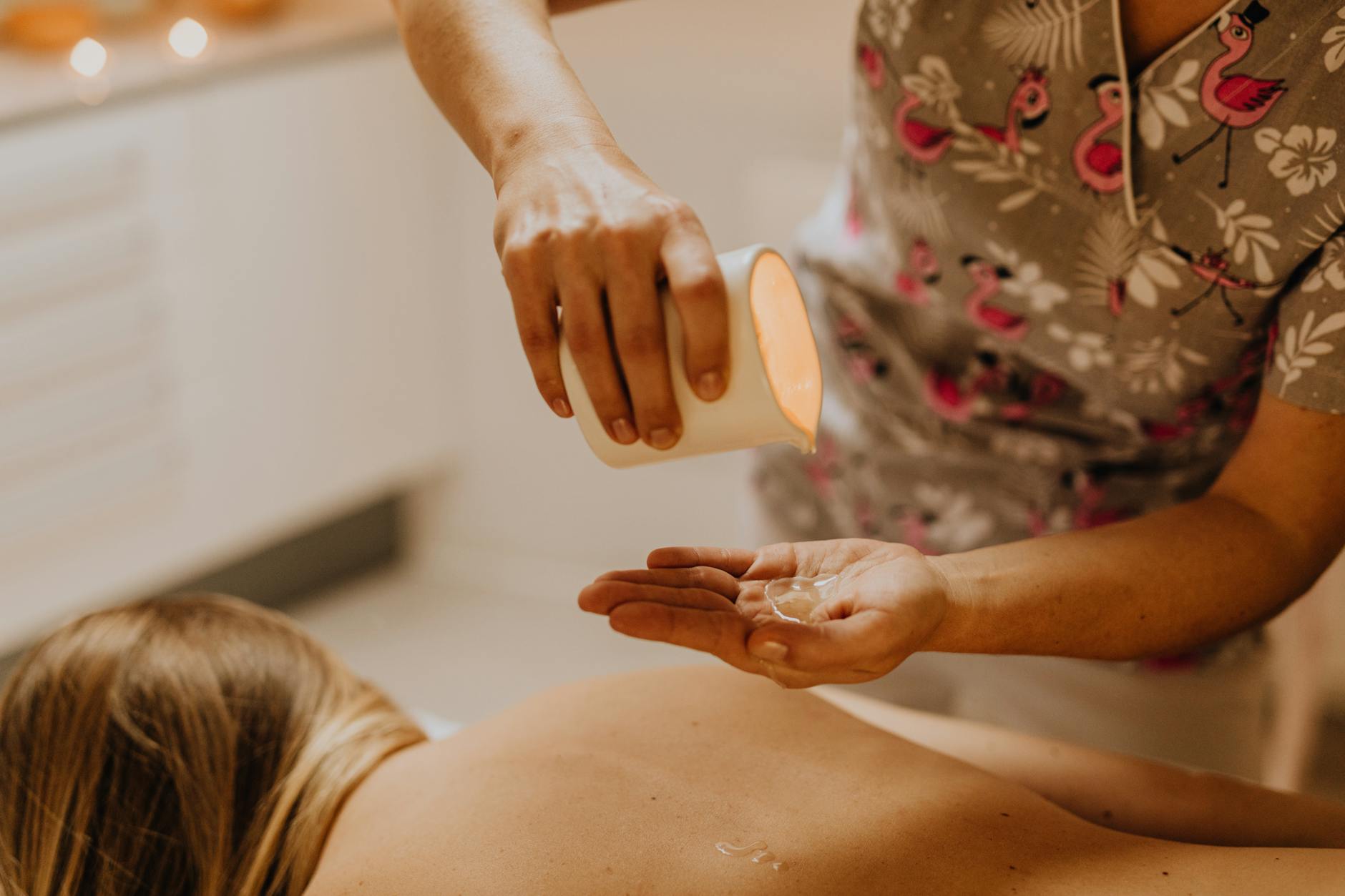
Abhyanga massage forms the foundation of most Ayurvedic spa experiences. Therapists use specific oils chosen for each client’s dosha constitution, applying them with synchronized movements designed to stimulate lymphatic drainage and energy flow. Vata types receive grounding sesame oil treatments, while fiery Pitta constitutions benefit from cooling coconut oil applications. Kapha types get energizing mustard or sunflower oil to combat sluggishness.
Shirodhara treatments have become particularly popular among stressed executives and celebrities seeking deep relaxation. The technique involves pouring warm, medicated oil in a continuous stream over the third eye area for 20 to 60 minutes. Gwyneth Paltrow has publicly praised the practice for its meditative benefits, calling it “the ultimate reset button for busy minds.”
Kizhi treatments, using heated herbal pouches applied to specific body points, address everything from joint pain to skin conditions. The pouches contain carefully selected herbs like turmeric, ginger, and neem, chosen based on individual health needs and seasonal considerations. The Mandarin Oriental New York reports 40% of spa guests now request these customized herbal applications.
Dosha-Based Skincare Revolution
The most significant impact appears in facial treatments, where Ayurvedic principles challenge conventional skincare approaches. Instead of targeting specific skin concerns, Ayurvedic facials address underlying constitutional imbalances that manifest as skin problems.
Vata skin types, characterized by dryness and fine lines, receive intensive hydration through rose and sandalwood-based treatments. These facials incorporate gentle massage techniques to improve circulation without aggravating sensitive skin. The Spa at Mandarin Oriental Miami uses handmade organic masks combining chickpea flour, turmeric, and rose water specifically for Vata constitutions.
Pitta skin, prone to inflammation and sensitivity, benefits from cooling cucumber and aloe treatments designed to reduce heat and redness. These facials avoid harsh exfoliation in favor of gentle herbal cleansing with neem and tulsi. The anti-inflammatory approach has proven particularly effective for rosacea and adult acne, conditions often exacerbated by aggressive Western skincare routines.
Kapha skin types, typically oily and prone to congestion, receive stimulating treatments with clay masks and invigorating herbs like eucalyptus and mint. These facials focus on improving sluggish circulation and clearing blocked pores through natural detoxification rather than harsh acids or retinoids.
The integration with modern techniques has produced compelling results. Some practitioners combine traditional Ayurvedic facial massage with contemporary modalities, creating hybrid treatments that honor ancient wisdom while delivering immediate visible improvements. This approach mirrors the success of Korean glass skin techniques that have gained Western popularity through adaptation rather than direct translation.
Herbs and Oils Take Center Stage
The Ayurvedic pharmacy has introduced American spa-goers to ingredients previously unknown outside Indian wellness traditions. Neem, dubbed “nature’s pharmacy” for its antibacterial properties, now appears in luxury facial cleansers and spot treatments. Ashwagandha, an adaptogenic herb traditionally used for stress management, features in anti-aging serums designed to combat cortisol-related skin damage.
Turmeric has emerged as the star ingredient, appearing in everything from brightening masks to anti-inflammatory body wraps. The Golden Door spa in California offers signature turmeric facials that combine the spice with honey and yogurt for natural exfoliation and brightening. The treatment has become so popular they’ve created take-home versions for maintenance between visits.
Oil selection represents perhaps the most sophisticated aspect of Ayurvedic spa treatments. Beyond basic massage applications, specialized oils target specific health concerns through transdermal absorption. Brahmi oil enhances mental clarity during scalp treatments, while Mahanarayan oil addresses joint stiffness in therapeutic body work.
The complexity extends to seasonal adjustments, with oil formulations changing based on weather patterns and individual needs. Summer treatments emphasize cooling oils like coconut and sunflower, while winter sessions feature warming sesame and almond oils. This dynamic approach contrasts sharply with static Western spa menus that remain unchanged throughout the year.
Quality sourcing has become crucial as demand increases. Premium spas partner directly with Indian suppliers to ensure authentic formulations and sustainable harvesting practices. The Chopra Center in California maintains relationships with Kerala-based herb gardens, guaranteeing fresh, potent ingredients for their signature treatments.
Beyond Relaxation: Wellness Integration
Modern Ayurvedic spas extend beyond treatment rooms into comprehensive lifestyle guidance. Consultations with Ayurvedic practitioners help guests understand their constitutional types and receive personalized recommendations for diet, exercise, and daily routines. This holistic approach addresses root causes rather than merely treating symptoms.
Dietary guidance forms an integral component, with spa restaurants offering dosha-specific menus. The Raj in Iowa serves meals tailored to individual constitutions, incorporating six tastes considered essential for balanced nutrition in Ayurvedic tradition. Guests learn how their food choices directly impact skin health, energy levels, and emotional stability.
Sleep optimization receives particular attention, with Ayurvedic principles informing everything from room temperature to evening routines. Vata types benefit from consistent bedtimes and warm baths, while Pitta constitutions require cool, dark environments for optimal rest. These personalized sleep protocols often produce more dramatic wellness improvements than any single treatment.
The integration of ancient wisdom with modern luxury continues expanding as more Americans seek alternatives to pharmaceutical interventions and invasive procedures. Ayurvedic spas report increasing numbers of younger clients, particularly millennials and Gen Z consumers raised on wellness culture and natural beauty solutions.
Celebrity endorsements have accelerated mainstream acceptance. Miranda Kerr regularly shares her Ayurvedic morning routine on social media, while Deepika Padukone has invested in bringing authentic Ayurvedic treatments to international markets. These high-profile advocates lend credibility to practices once dismissed as alternative medicine.
The future points toward even deeper integration, with some spas developing year-long wellness programs based on Ayurvedic seasonal cycles. These comprehensive approaches promise to transform occasional spa visits into sustained lifestyle transformations, positioning ancient wisdom as the foundation for modern wellness culture.
Frequently Asked Questions
What are the three Ayurvedic doshas?
The three doshas are Vata (air), Pitta (fire), and Kapha (earth), each requiring specific treatments and lifestyle approaches for optimal health.
How do Ayurvedic spa treatments differ from regular spa services?
Ayurvedic treatments are personalized based on individual constitution and focus on balancing energy rather than addressing surface-level concerns.