

The Athletic Vest Gets a Street Credential
Lacrosse pinnies – those loose, mesh-panel vests worn over padding on the field – were not designed for downtown sidewalks. They were built for visibility, breathability, and quick identification during fast-moving play. Yet right now, in the neighborhoods stretching from SoHo to the Lower East Side, they are showing up layered over long-sleeve tees, tucked loosely into wide-leg trousers, and worn open over sports bras with chunky sneakers. The utility of the garment has not changed. What has changed is the context, and with it, the meaning.
This is not the first time a niche athletic uniform has escaped its sport and found footing in city dressing. Squash court dressing has been bleeding into after-work style for a few seasons, and the logic is the same – a specific kind of prep-athletic energy that reads as both casual and intentional. But the pinnie occupies a different lane. It carries a rawer, less polished visual weight than a squash polo or a court blazer. The mesh is rougher, the silhouette boxier, the association more directly tied to team sport than to club membership. That roughness is exactly what makes it interesting right now.
How the Look Is Actually Being Worn
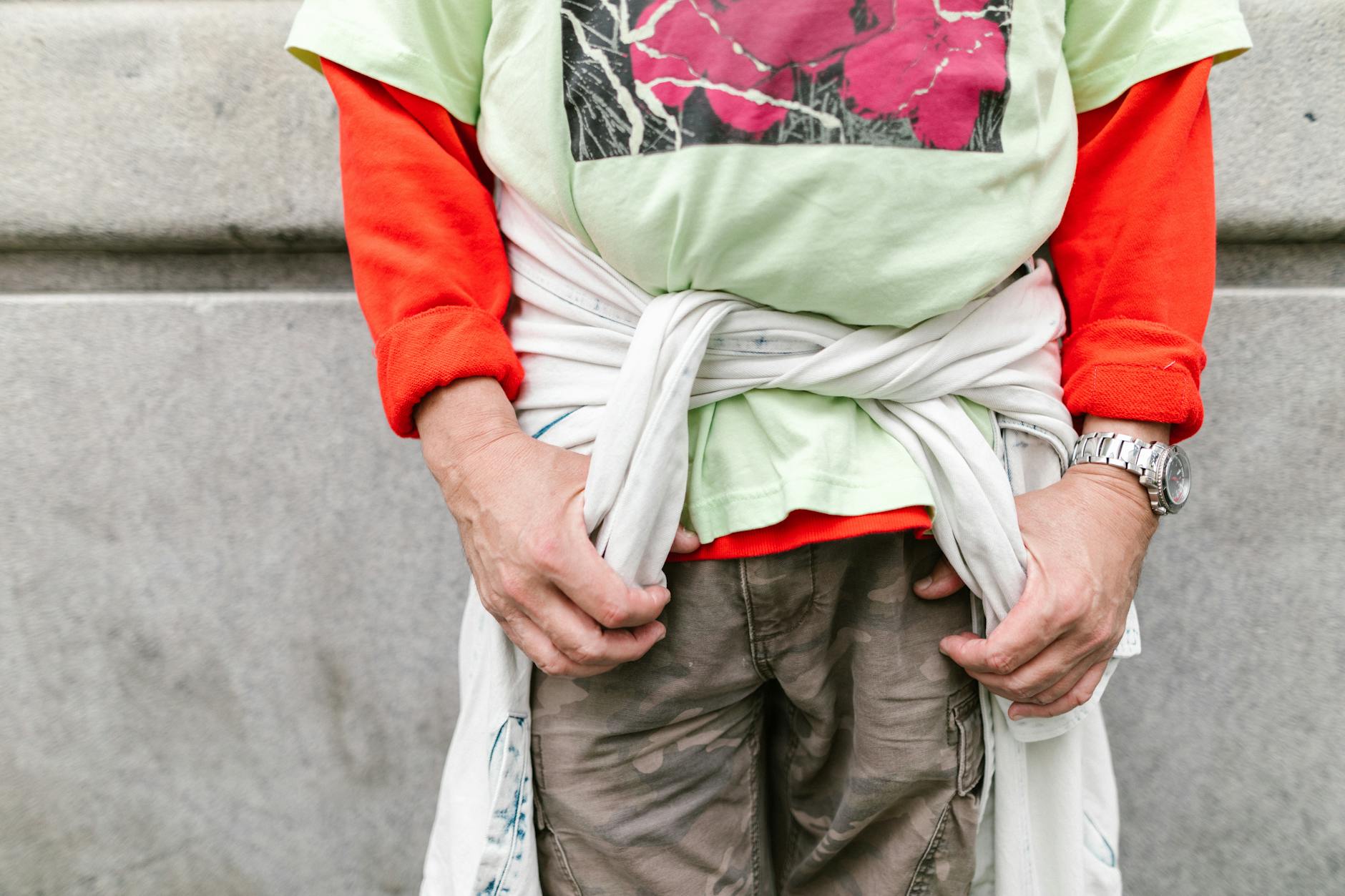
The most common styling approach spotted on downtown streets layers the pinnie over a fitted ribbed long-sleeve, with the mesh panels creating a visual texture contrast against the tight underlayer. The result sits somewhere between sports kit and deconstructed casual wear. It borrows from the visual language of early 2000s athletic dressing without directly referencing it – there is no throwback nostalgia in the execution, just a practical silhouette being used in a new way.
Color is playing a significant role in how the trend reads. Traditional pinnies come in high-visibility shades – neon yellow, safety orange, electric blue – and those saturated tones are landing naturally in a city wardrobe built around neutral outerwear. A neon pinnie over a grey long-sleeve under a khaki overcoat creates a layering stack with genuine color tension. Some wearers are also gravitating toward reversible pinnies with contrasting interior colors, wearing them inside-out to get a muted ground shade with the number graphics on the inside lining just visible at the hem.
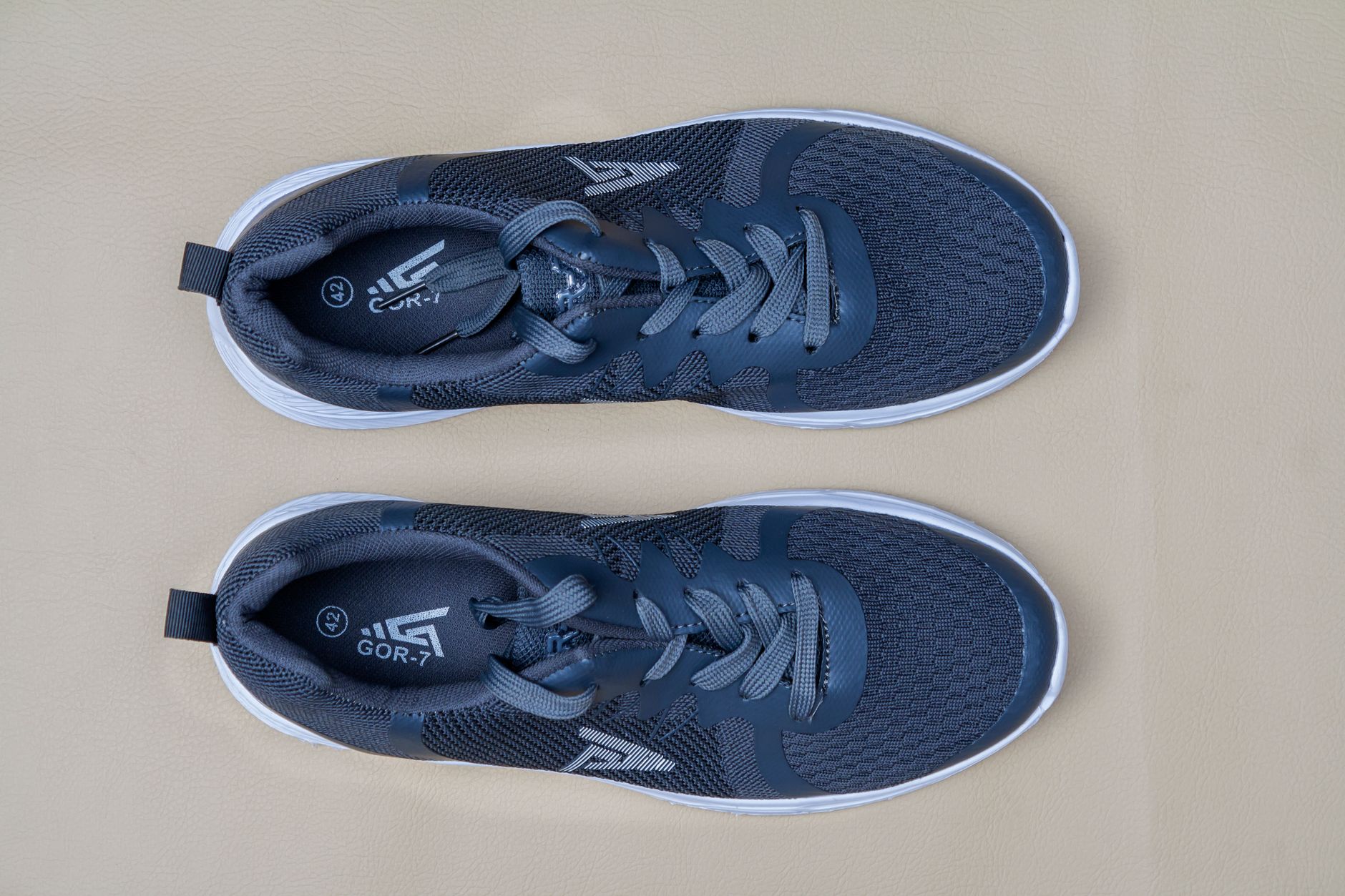
The footwear choices anchoring these looks tend to avoid anything overly athletic. Chunky loafers, low-profile leather trainers, and even square-toe boots are being paired with pinnies to keep the outfit grounded in street sensibility rather than gym-bag energy. The tension between the athletic top and the structured bottom is doing most of the styling work.

Why This Particular Garment, Why Now
The pinnie’s appeal is partly structural. Unlike a standard jersey, which is fitted and opaque, the pinnie’s mesh construction makes it function more like a layer than a top. It does not replace a shirt – it sits on top of one. That layering logic fits precisely into how street style has been operating for several seasons, where the emphasis is on visible depth rather than a single statement piece. The pinnie adds visual information without adding bulk, which is a genuinely useful quality in a garment.
There is also a class subversion at work here that is hard to ignore. Lacrosse carries a very specific social profile in the American imagination – private school athletics, East Coast prep culture, affluent suburban leagues. Wearing the uniform piece of that sport in a downtown New York context, stripped of its equipment and its setting, creates a deliberate friction. It is the same friction that made varsity letters and polo shirts interesting to downtown dressing in previous cycles – taking the visual vocabulary of a particular kind of privilege and detaching it from its original social function.
The number graphics printed on pinnies are contributing to that dynamic. On the field, a number identifies a player. On a street look, that same number reads as a graphic print – bold, utilitarian, slightly anonymous. It functions the way a band tee or a work uniform functions, carrying the suggestion of affiliation without requiring the wearer to actually claim it. That ambiguity is a strong creative tool for people who are building outfits that resist easy categorization.
What is worth watching is whether this stays a downtown New York phenomenon or travels. The pinnie’s accessibility is a factor – a basic reversible mesh vest from a sporting goods retailer costs very little compared to the elevated sportswear pieces that typically lead street style trends. That low price point means the barrier to entry is minimal, and the styling variables – color, underlayer, bottom, footwear – give wearers enough room to make the look their own without following a template. A trend that is cheap, flexible, and slightly strange tends to spread quickly, which means the window where it feels genuinely new is probably narrower than it looks right now.