

When the Lawn Becomes the Runway
Bocce ball has always carried a certain old-world charm – gravel courts, afternoon light, a glass of something cold nearby. The game itself is unhurried, social, and deliberately analog in a way that appeals to a growing number of people who want their leisure time to feel like leisure. What nobody predicted was that the aesthetic surrounding it would start showing up in fashion week street style, resort collections, and the kind of thoughtfully curated wardrobes that don’t happen by accident.
The look has a specific texture to it: unstructured linen blazers worn over open-collar shirts, wide-leg trousers in cream or sand, leather loafers without socks, the occasional flat cap. It borrows from Italian coastal dressing, mid-century country club style, and the relaxed tailoring movement that has been quietly building for several seasons. Bocce ball club dressing isn’t a costume – it’s a mood that translates surprisingly well off the gravel and into everyday summer life.
The Tailoring That Refuses to Be Formal
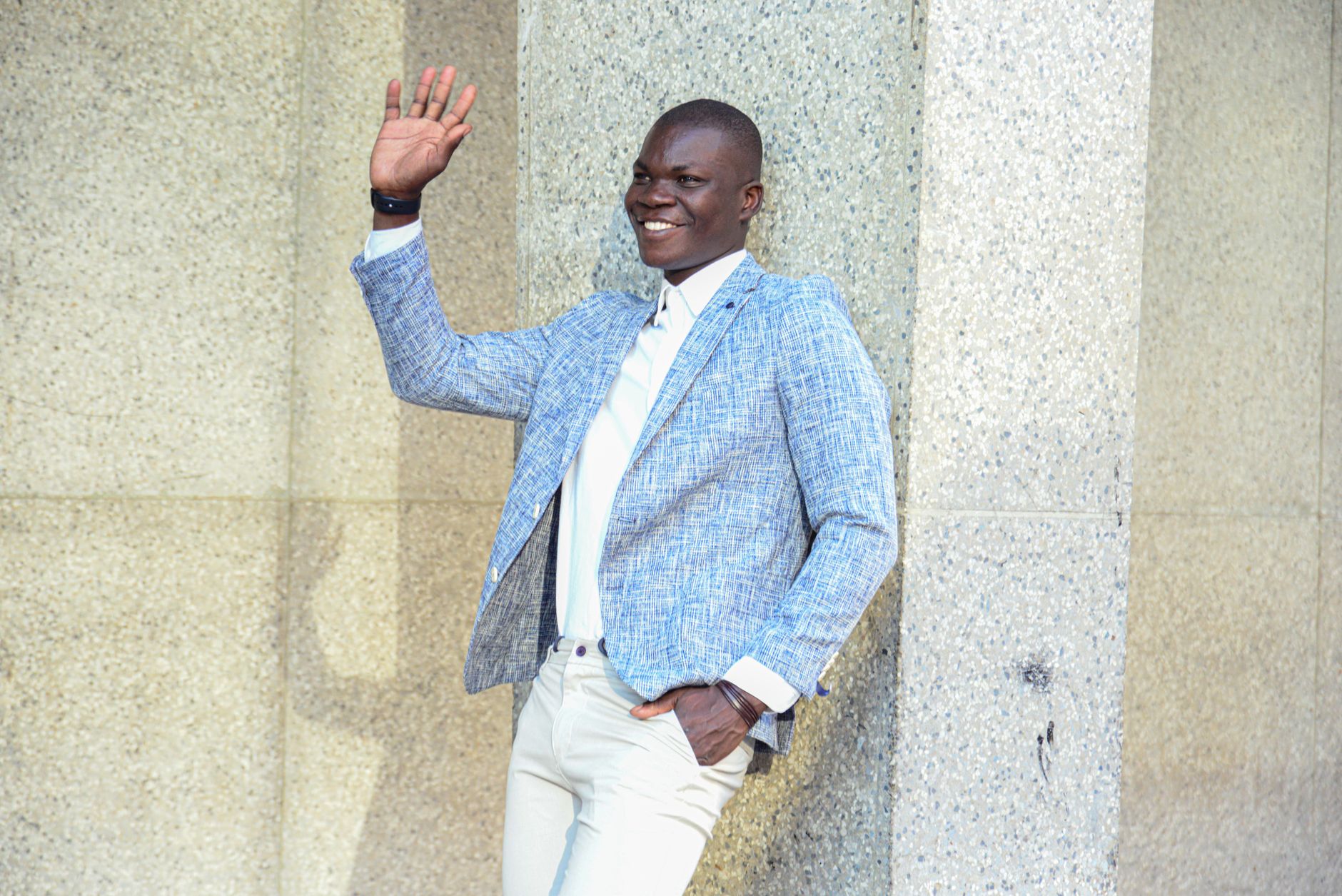
Relaxed tailoring has been circling menswear and womenswear for a while now, but what bocce ball dressing does differently is anchor the look in leisure rather than work. The blazer in this context isn’t trying to pass as office-appropriate. It’s cut to move, made from breathable fabrics – linen, seersucker, lightweight cotton blends – and worn with the kind of ease that signals no one here has a 3 p.m. call to get back for. The silhouette is generous without being sloppy, structured without being stiff.
Trousers in this sphere tend to sit high and run wide, often in neutral earth tones or soft whites that photograph beautifully in outdoor settings. They’re the kind of pants that feel equally at home at an outdoor dinner as they do crouching down to release a bocce ball. That dual function matters. Fashion that works in only one setting has a much shorter shelf life than clothes that move between contexts without looking out of place.
The shirt situation is equally deliberate. Camp collar shirts – often in subtle prints, stripes, or solid pastels – do most of the heavy lifting here. They sit open at the neck as a matter of principle, never buttoned to the top, never tucked in fully. This is not carelessness. It’s the studied nonchalance that makes the whole look feel authentic rather than assembled. A polo can work too, and the overlap with polo club smart-casual dressing is genuine rather than coincidental – both draw from the same well of sport-adjacent, aspirationally leisured style.
Color and Fabric as the Real Signals
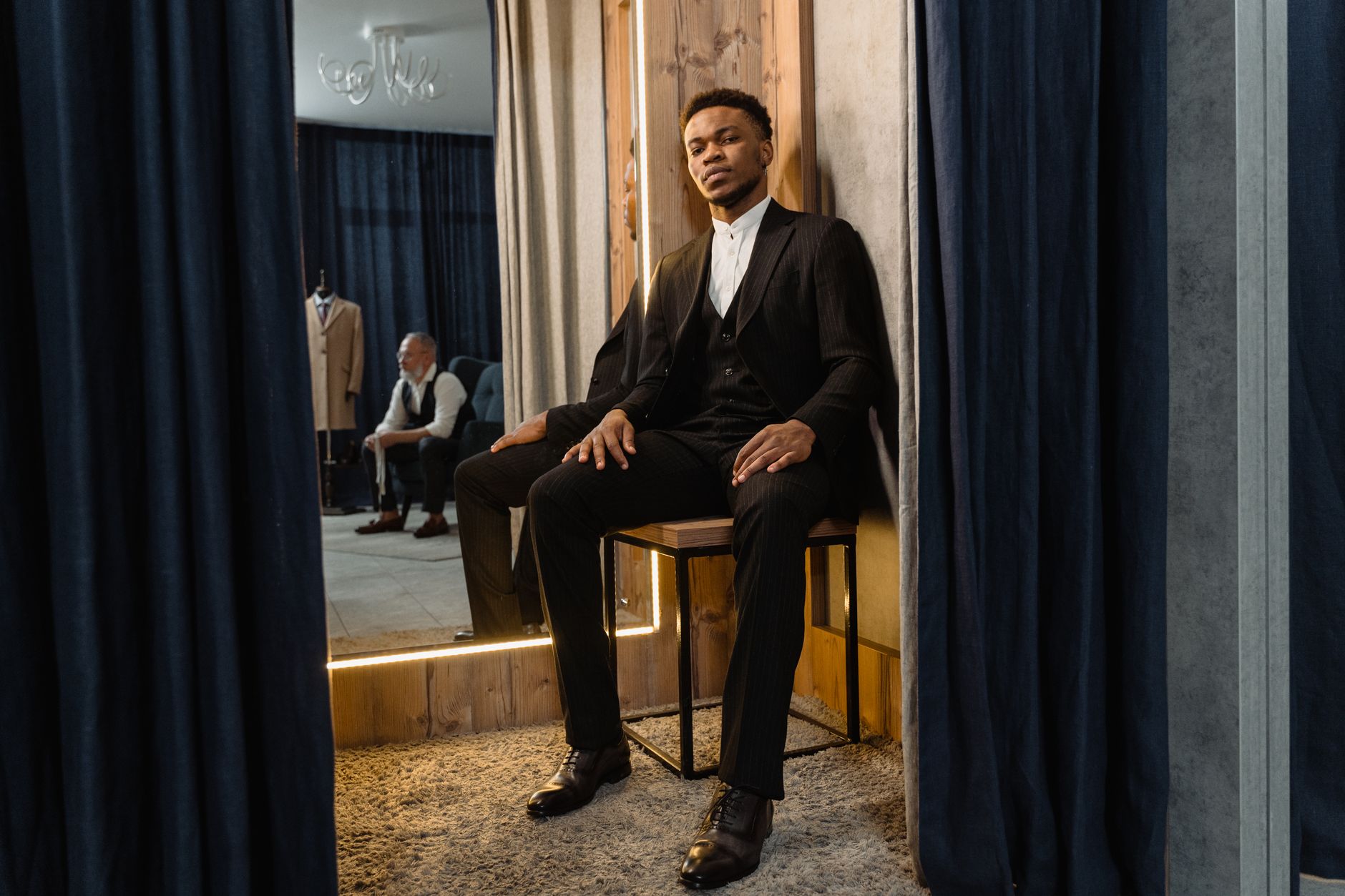
What separates bocce ball club dressing from general summer casualwear is restraint. The palette skews neutral – ivory, stone, olive, warm tan, occasionally a muted terracotta. Bright colors exist but they arrive as accents: a rust-colored pocket square, a woven leather belt in cognac, a pair of shoes in a warm caramel tone. Nothing shouts. The whole point is clothes that look expensive precisely because they don’t need to try.
Fabric choice carries most of that message. Linen wrinkles, and in this aesthetic, that wrinkle is the point. A crisp, pressed linen blazer would actually undermine the vibe. The slight rumple signals that you’ve been outside, living unhurriedly, which is exactly the story these clothes are meant to tell. Seersucker brings texture and a touch of American South formality that plays well against Italian-inflected pieces. Lightweight wool-cotton blends offer structure for cooler evenings when the game runs long.
How This Translates Beyond the Court
The reason bocce ball club dressing is drifting into broader summer tailoring is straightforward: it solves a problem that neither strict business casual nor athleisure fully addresses. There’s a large middle ground of summer occasions – rooftop gatherings, garden parties, outdoor dinners, weekend events that feel neither totally casual nor black-tie – where neither a suit nor a linen shirt alone feels right. The bocce ball aesthetic lands squarely in that gap.
Brands selling into this space aren’t necessarily marketing bocce ball. They’re selling “summer tailoring,” “resort wear,” or “coastal casual,” but the visual language is the same. Wide trousers, unstructured outerwear, natural fabrics, shoes with character. The bocce ball club is more of a reference point than a destination – a cultural shorthand for a kind of relaxed sophistication that a growing number of consumers find genuinely appealing versus the gym-to-street pipeline that has dominated casual dressing for years.
For women, the translation is slightly different but follows the same principles. Wide-leg linen trousers paired with a breezy blouse or a lightweight blazer thrown over a simple slip dress. Flat sandals or leather mules replace loafers. The proportions stay generous, the fabrics stay natural, and the overall effect stays rooted in that same unhurried ease. The look photographs well in outdoor settings, which has not hurt its circulation on social media, where images of sun-drenched gravel courts and afternoon shade have become their own aesthetic genre.
Accessories are where the look sharpens or softens depending on intention. A straw bucket hat or a woven flat cap reads pure leisure. A slim leather watch – nothing too sporty, nothing too dressy – grounds the outfit without adding formality. Sunglasses should be round or slightly oval, frames in tortoise or gold. The bag, if there is one, is probably woven or leather, never nylon, never branded loudly. Every piece in this system speaks quietly, and that quiet is the whole point.
What makes this trend worth watching is that it has natural staying power. It doesn’t depend on a single silhouette or a novelty fabric that will feel dated in eight months. Linen blazers and wide trousers in neutral colors don’t expire the way trend-forward pieces do. The bocce ball club aesthetic is essentially a modern repackaging of timeless summer dressing principles – and that’s exactly why people are buying in without feeling like they’re chasing something they’ll regret by September.