

From the Stable to the Street
The yard coat has one job: keep a groom warm and dry while they muck out stalls at 5 a.m. It is a strictly functional garment – waxed or quilted, cut long to cover the thighs, built with deep pockets for hoof picks and lead ropes, and finished with zero regard for aesthetics. That is precisely why fashion is obsessed with it right now.
A growing number of luxury outerwear labels are pulling directly from equestrian workwear codes – not the polished, competition-day riding jacket, but the unglamorous, barn-worn coat that grooms and stable hands have relied on for decades. The silhouette is boxy but elongated. The hardware is utilitarian. The waxed cotton or heavy-duty nylon carries that particular texture that signals working life rather than weekend leisure. And when placed against the backdrop of a city street or a fashion week pavement, that contrast is exactly what makes it work.
This is workwear migration at its most specific.
Why the Groom’s Coat, and Why Now
The appeal is not nostalgia for country life or a sudden enthusiasm for horses. Fashion has been drawing from military and workwear traditions for long enough that the next logical step is sourcing from corners of working-class dress that have not yet been picked clean. The groom’s yard coat qualifies. It sits outside the usual references – it is not Carhartt, not military surplus, not fishing gear – which gives it a freshness that more exhausted categories no longer have.
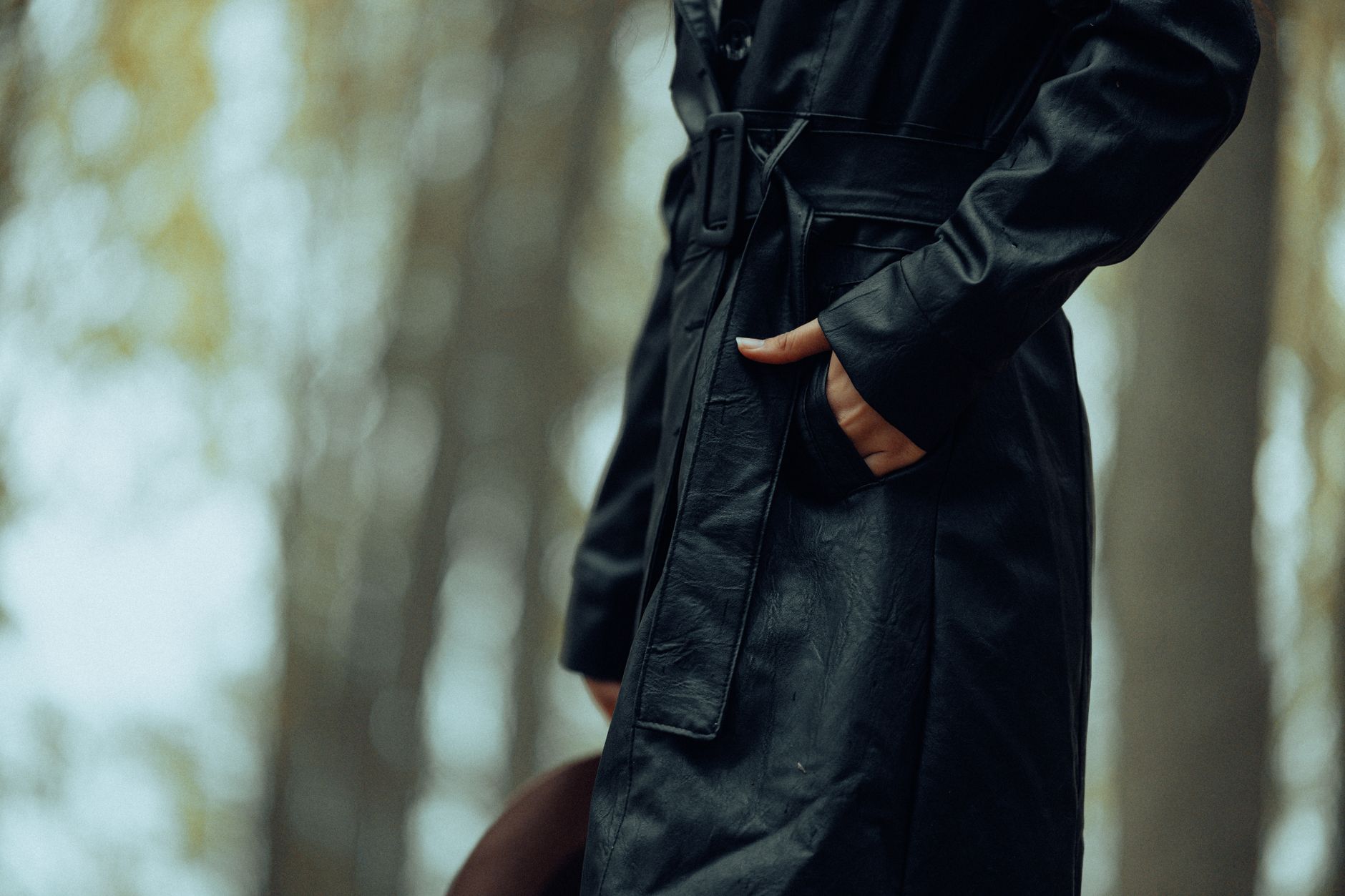
There is also a silhouette argument. The yard coat is cut to allow freedom of movement over bulky layers, which means it wears generously over a suit or a heavy knit without looking strained. The length – typically hitting at mid-thigh or below – gives it a proportion that works against the current preference for slightly oversized, coat-forward dressing. It does not require belting or styling tricks to look intentional. You put it on and the volume does the work.
Waxed cotton in particular is having a moment within this trend. The material has a patina quality – it marks and softens with use, which appeals directly to the luxury market’s growing interest in materials that age visibly rather than degrade invisibly. A coat that looks better in three years than it does on day one is a different kind of luxury proposition than a pristine cashmere that must be protected from rain.
How Labels Are Translating the Reference
The translation from yard to retail is rarely literal. A designer pulling from this reference is not simply copying a Barbour-adjacent coat and adding a price tag. The process involves retaining the structural cues – the stand collar, the storm flap, the utilitarian pocket placement – while upgrading the material quality and tightening the construction to luxury standards. The result sits in an interesting middle space: it reads as workwear to someone who knows workwear, and reads as considered, understated outerwear to someone who does not.
Some brands are leaning into the waxed cotton directly, while others are interpreting the silhouette in technical fabrics that carry a similar visual weight without the maintenance requirements of waxed cotton. A coat that references a yard coat in its cut but uses a bonded shell fabric gets the shape without asking the customer to re-wax it seasonally. That compromise has made the trend accessible to labels whose customers want the aesthetic without the upkeep ritual.
Color is staying close to the source. Olive, dark navy, brown, and black dominate – the palette of a coat that is meant to hide mud and hay. Bright or fashion-forward colorways appear occasionally, but the strongest commercial versions of this trend are the ones that look like they could have hung in an actual stable. Authenticity of reference is doing a lot of the persuasion work here.
What This Signals About Outerwear Right Now
Outerwear has been the category where the most interesting conversations about function versus status have played out over the past several years. Puffer jackets moved from ski slopes to runways to fast fashion racks so quickly that the category feels diluted. Technical performance wear peaked and plateaued. The search is on for something that carries authority without being exhausted, and the equestrian working world – historically associated with wealth but never with streetwear – offers a reference point that still has room in it.
The groom specifically, rather than the rider, is the key distinction. Rider-coded fashion – hacking jackets, breeches, tall boots – has cycled through fashion regularly and is immediately legible as “equestrian.” The groom’s coat carries none of that legibility to a general audience. It reads as workwear first, which is exactly where fashion’s appetite currently sits. The status is embedded in the knowledge of the reference, not broadcast by the silhouette itself.
What makes this trajectory worth watching is that the actual yard coat – bought from an agricultural supply catalog for a fraction of the luxury retail price – is sitting in tack rooms and farm stores completely unchanged, still doing its original job, entirely indifferent to the runway attention it is quietly generating.