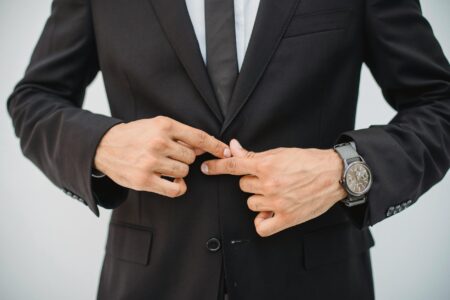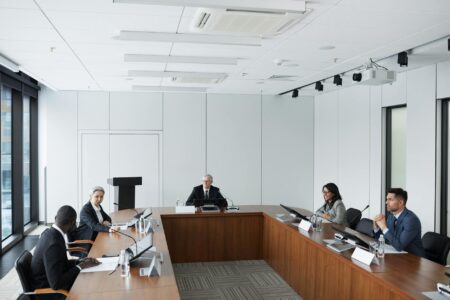


After three years of Zoom meetings in pajama bottoms, corporate America is putting the suit back on. Major companies from Goldman Sachs to JPMorgan Chase have ended remote work policies, and with employees returning to glass-walled offices, the power suit is experiencing its biggest comeback since the 1980s.
The shift represents more than just a return to pre-pandemic norms. Fashion executives report that luxury suiting sales have surged 40% over the past six months, with brands like Tom Ford, Armani, and Brooks Brothers struggling to keep their most structured pieces in stock. The message is clear: serious business is back, and it demands serious clothes.
The New Rules of Office Dressing
Today’s power dressing playbook has evolved beyond the boxy shoulder pads and monotone palettes of decades past. Modern corporate fashion emphasizes sharp tailoring with subtle flexibility, reflecting lessons learned during the comfort-focused pandemic years.
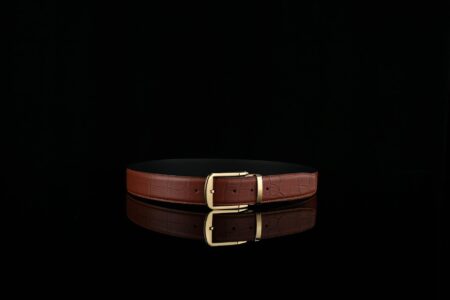
Women’s suiting now features strategic stretch fabrics and breathable linings, while maintaining the crisp lines that command boardroom respect. Brands like Theory and Hugo Boss have introduced “hybrid” collections that bridge the gap between athleisure comfort and executive presence. The key elements remain non-negotiable: structured blazers, tailored trousers or pencil skirts, and quality accessories that signal attention to detail.
Men’s corporate wardrobes have similarly adapted, with traditional suits incorporating performance fabrics and modern cuts. The three-piece suit has made a surprising return, particularly among younger executives who view the vest as a statement piece. Color palettes have expanded beyond navy and charcoal to include deep burgundy, forest green, and subtle patterns that project confidence without crossing into flashy territory.
Personal styling services have exploded in response to this shift. Companies like Stitch Fix Business and Trunk Club report 200% increases in corporate styling requests, as professionals who spent years in casual wear seek guidance on rebuilding their office wardrobes. The investment is substantial – a quality business wardrobe now averages $3,000 to $5,000 for foundational pieces alone.
Technology Meets Tradition
The modern power dresser demands clothing that performs as well as it looks. Smart fabrics have revolutionized corporate fashion, with innovations like wrinkle-resistant wools, odor-resistant linings, and temperature-regulating materials becoming standard in high-end business wear.
Luxury brands have embraced these technological advances without sacrificing traditional craftsmanship. Ermenegildo Zegna’s latest business collection features fabrics woven with micro-encapsulated cooling agents, while maintaining the hand-finished details expected at their price point. Similarly, women’s brands like Lafayette 148 New York have developed proprietary fabric blends that stretch and recover while holding their structured shape through long days and travel.
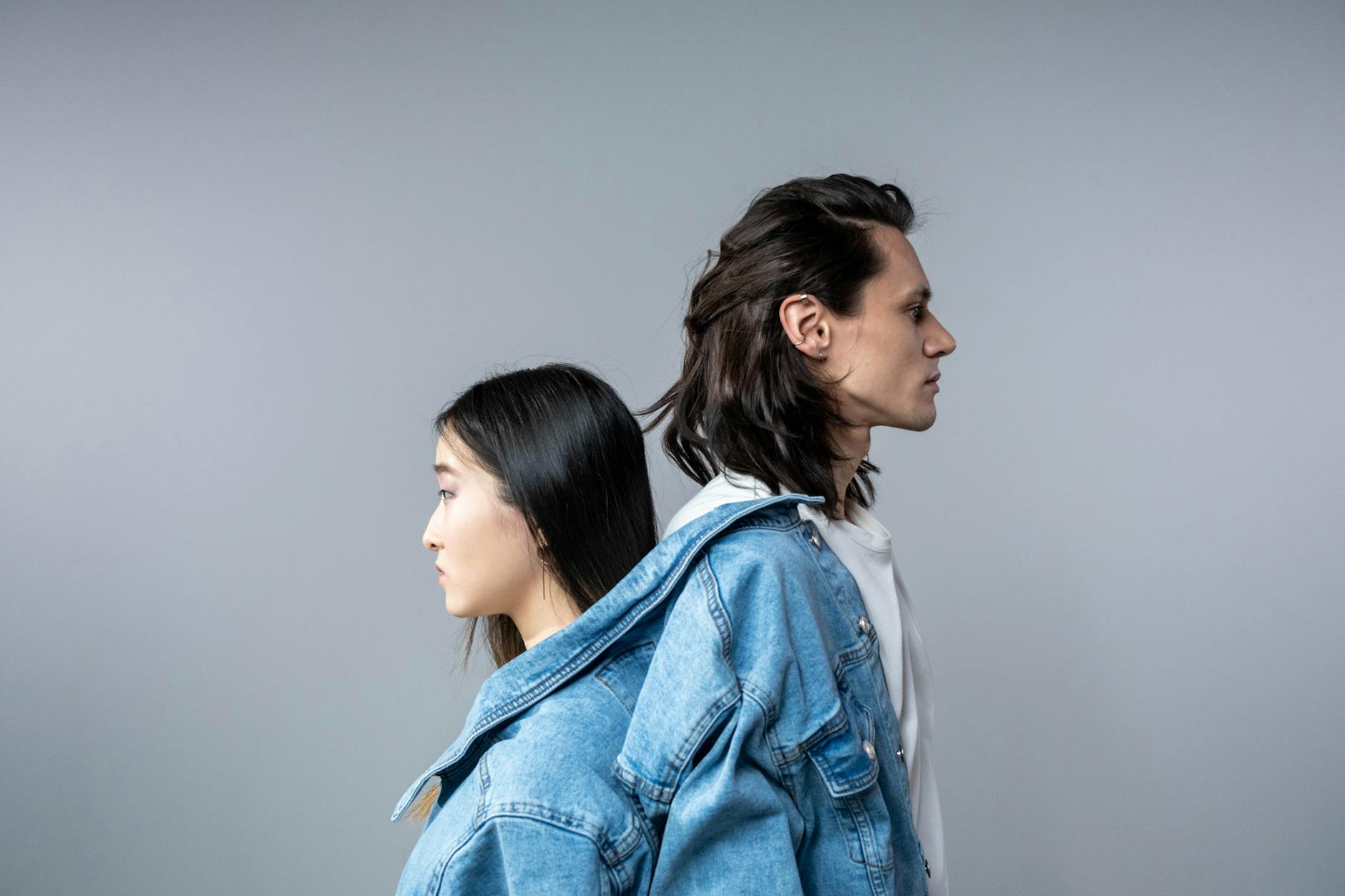
The accessories market has similarly evolved, with luxury brands introducing tech-enabled pieces that maintain professional aesthetics. Briefcases now feature built-in charging stations, watches include discreet health monitoring, and even traditional leather goods incorporate RFID blocking and organizational systems designed for the modern executive’s digital needs.
This technology integration reflects a broader shift in how professionals view their wardrobes. Clothes are no longer just about appearance – they’re tools that need to perform in high-stakes environments. The best pieces combine traditional markers of authority with practical innovations that support busy, travel-heavy schedules.
The Psychology of Power Dressing Returns
Research from Northwestern University’s Kellogg School of Management confirms what fashion executives have long suspected: formal business attire genuinely affects both the wearer’s confidence and how others perceive their competence. The study found that people wearing structured business clothing performed better in negotiations and were more likely to be viewed as leadership material.
This psychological impact explains why companies are actively encouraging – and sometimes requiring – employees to dress professionally again. Goldman Sachs famously reinstated its formal dress code after briefly relaxing standards, with executives citing the need to project strength and stability to clients. Similar policies have spread across finance, law, and consulting, industries where perception directly impacts business outcomes.
The trend extends beyond traditional corporate sectors. Tech companies, long bastions of casual dress, are seeing executives embrace more formal styles. While hoodies remain acceptable for coding sessions, C-suite presentations now feature tailored blazers and dress shoes. This shift reflects the industry’s maturation and its leaders’ recognition that appearance matters in high-stakes meetings with investors and enterprise clients.
Fashion psychologists note that the return to formal dressing also serves as a ritual of re-engagement with office culture. After years of working from kitchen tables, putting on a tailored suit signals a mental shift into professional mode. The clothing becomes armor for corporate battles and a uniform that connects the wearer to centuries of business tradition.
Investment Pieces and Long-Term Strategy
Smart corporate dressing now requires thinking like an investor. Rather than buying trendy pieces, professionals are focusing on timeless, high-quality items that will maintain their impact and condition over years of regular wear. This approach has driven growth in the luxury resale market, where vintage Chanel suits and classic Brioni pieces command premium prices.
Fashion consultants recommend building corporate wardrobes around “anchor pieces” – blazers, trousers, and dresses in neutral colors that can be mixed, matched, and accessorized for different occasions. A well-chosen navy blazer from a quality brand might cost $800, but it will serve in everything from client presentations to industry conferences for decades.
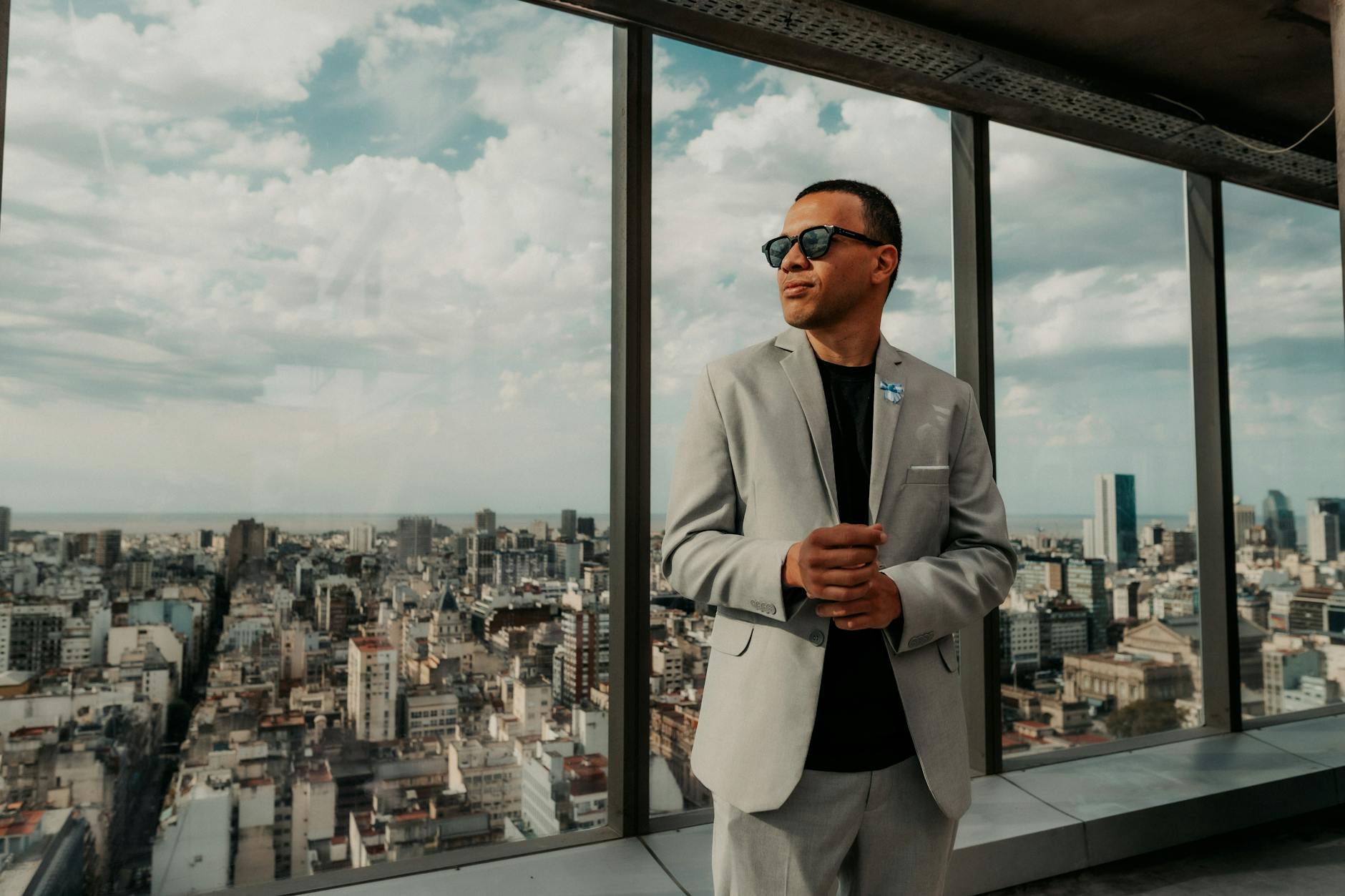
The investment approach has also influenced how people care for their business clothes. Professional garment care services have experienced a renaissance, with dry cleaners specializing in luxury business wear booking appointments weeks in advance. Proper maintenance extends the life of expensive pieces while ensuring they maintain their authoritative presence.
This focus on longevity aligns with broader sustainability concerns, as professionals recognize that buying fewer, better pieces reduces both environmental impact and long-term costs. Brands like Gabriela Hearst and Eileen Fisher have built entire business models around this philosophy, creating corporate collections designed to last decades rather than seasons.
As remote work becomes a distant memory for many professionals, corporate power dressing is establishing itself as more than just a temporary trend. The fusion of traditional authority markers with modern comfort and technology suggests this approach will define professional fashion for years to come. The message from corner offices to conference rooms is unmistakable: the suit is back, and it means business.
Frequently Asked Questions
Why is corporate power dressing making a comeback?
Companies are ending remote work policies and employees need professional wardrobes again, with luxury suiting sales up 40% in recent months.
How has business fashion evolved since the pandemic?
Modern corporate wear combines traditional authority markers with comfort features and smart fabrics learned from athleisure trends.