

Social media feeds are flooded with before-and-after photos showing dramatically lifted cheekbones and sculpted jawlines. The secret isn’t a new injectable or surgical procedure – it’s facial cupping, an ancient practice that’s being repositioned as the natural alternative to cosmetic enhancements. Beauty influencers are trading their monthly filler appointments for glass cups and suction techniques, claiming results that rival dermatologist visits at a fraction of the cost.
The shift represents more than just a trend cycle. Facial cupping taps into growing skepticism around invasive procedures while promising the lifted, contoured look that defines current beauty standards. Unlike traditional body cupping used in wellness practices, facial cupping uses smaller cups and gentler suction to target specific areas like the under-eye region, cheekbones, and jawline.
The Technique Behind the Transformation
Facial cupping works by creating negative pressure on the skin, drawing blood to the surface and theoretically improving circulation. Practitioners glide small glass or silicone cups across the face in upward motions, focusing on areas where people typically seek volume enhancement or lifting effects. The suction is meant to stimulate collagen production and reduce fluid retention that can cause puffiness.
The appeal goes beyond the physical results. Facial cupping offers immediate visual changes that photograph well for social media content. The increased blood flow creates a temporary plumping effect and heightened color in the cheeks, mimicking the fresh-faced glow that many seek from professional treatments. This instant gratification factor makes it particularly attractive to content creators who need consistent material.
Professional aestheticians have begun incorporating facial cupping into their service menus, often combining it with gua sha techniques and facial massage. The treatment typically costs between $75-150 per session, significantly less than filler appointments that can range from $600-1200 depending on the area treated and amount of product used.
The Instagram Effect
Beauty influencers with millions of followers are documenting their cupping routines in real-time, showing the process from start to finish. These videos rack up hundreds of thousands of views, with comment sections filled with questions about technique and equipment recommendations. The transparency appeals to audiences who have grown weary of heavily filtered content and undisclosed cosmetic procedures.
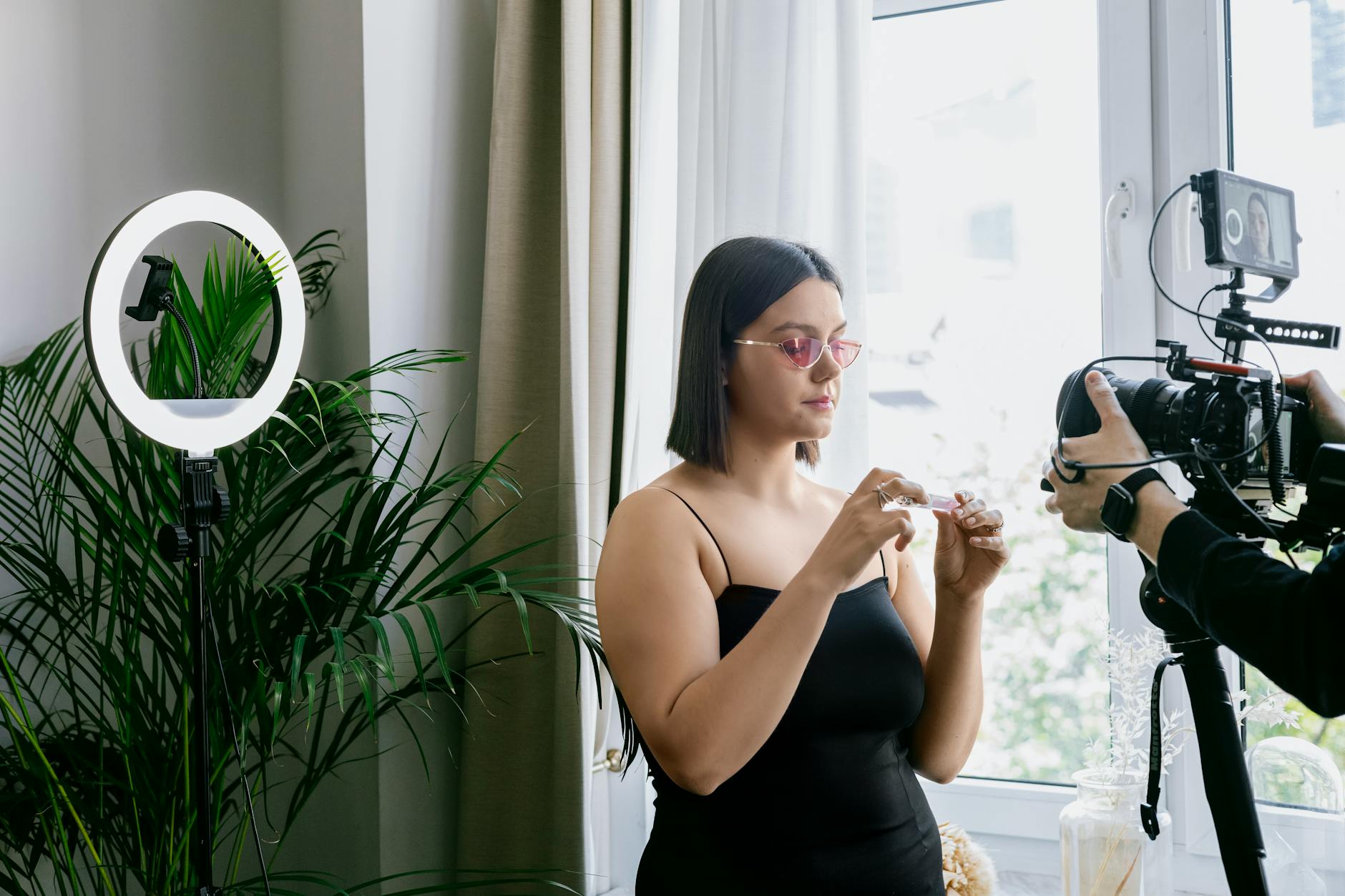
The visual nature of cupping also provides compelling content. The circular marks left by the cups create obvious “proof” that the treatment occurred, and the immediate flushing of the skin shows visible change. This documentation style aligns with the current demand for authentic, unfiltered beauty content that shows both process and results.
Medical Perspective and Long-Term Considerations
Dermatologists remain divided on facial cupping’s effectiveness. While the technique can temporarily improve circulation and reduce puffiness, claims about long-term collagen stimulation and permanent lifting effects lack substantial scientific backing. The visible results most people experience are primarily due to increased blood flow and temporary tissue manipulation, similar to the effects of a vigorous facial massage.
The safety profile differs significantly from injectable treatments. Facial cupping carries minimal risk when performed correctly, though overly aggressive suction can cause bruising, broken capillaries, or temporary skin discoloration. These side effects are generally mild and resolve within a few days, unlike complications from fillers which can be more serious and longer-lasting.
Some practitioners worry about unrealistic expectations. The lifting and contouring effects from facial cupping are temporary, typically lasting 24-48 hours. Regular sessions may help maintain results, but the technique cannot replicate the volume enhancement and structural changes that injectable fillers provide. People seeking dramatic, long-term alterations to their facial structure may find cupping insufficient for their goals.
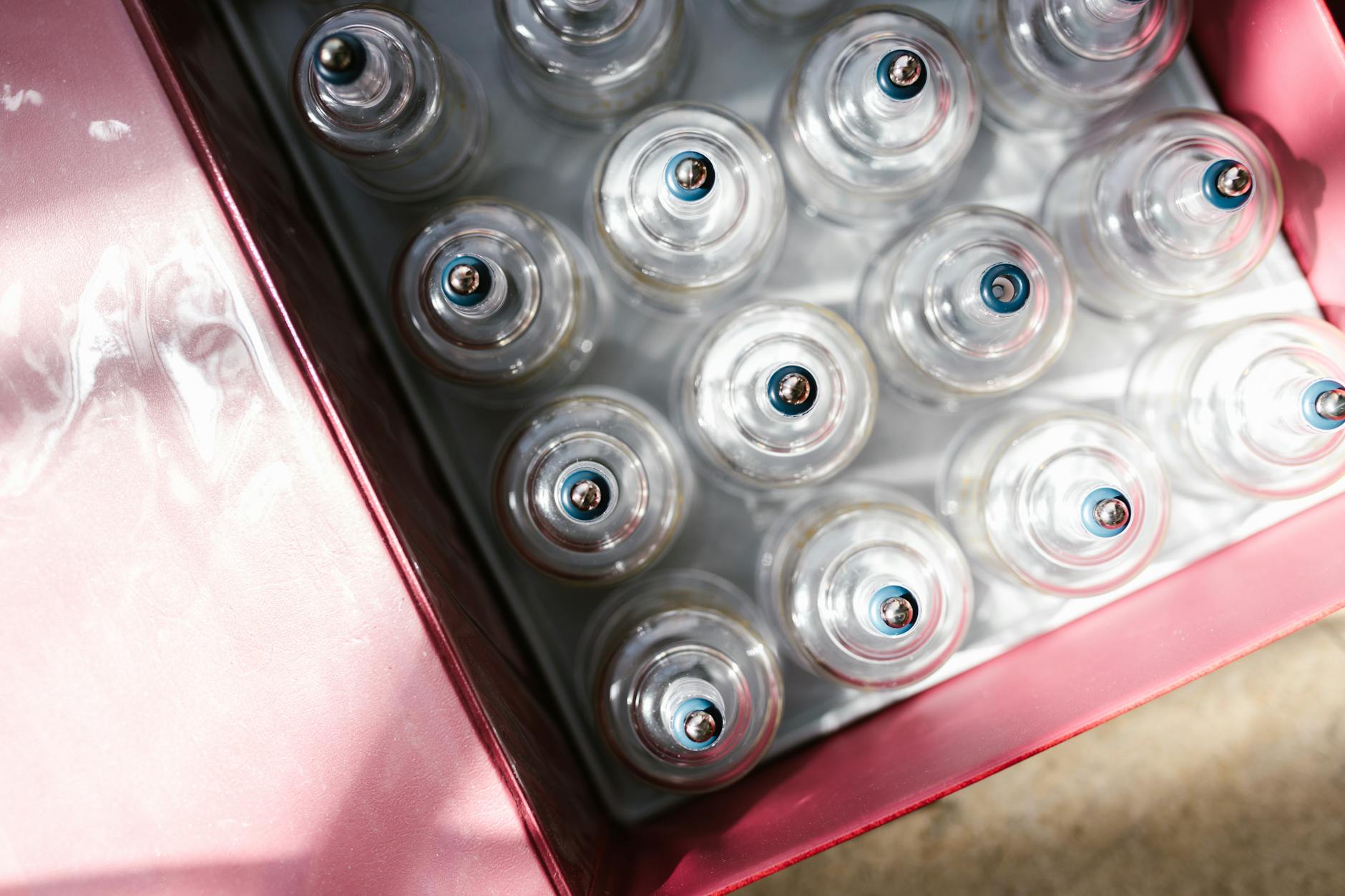
The DIY aspect of facial cupping also raises concerns about proper technique and hygiene. While professional-grade cupping sets are readily available online, improper use can lead to skin damage or ineffective results. The learning curve for achieving the smooth, gliding motions that produce optimal effects requires practice that many people may not invest in before attempting the technique at home.
Frequently Asked Questions
How long do facial cupping results last?
Results typically last 24-48 hours due to temporary increased blood flow and tissue manipulation.
Is facial cupping safer than dermal fillers?
Facial cupping carries minimal risks when done properly, unlike fillers which can have more serious complications.