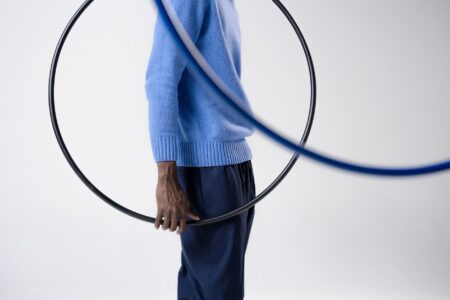


The button tab is having a quiet moment. Not the bold, logo-forward hardware of streetwear or the theatrical closures of couture – the small, stitched tab anchoring a waistband or placket shut, drawn directly from the ceremonial uniform tradition of Eton College. Designers working in tailoring are reaching back toward this specific detail, and cropped trousers are where it’s landing hardest.
What the Eton Knee Breeches Actually Taught Us About Fastening
Eton College’s signature uniform has always been a study in controlled formality. The knee breeches worn in historic iterations of the dress code featured button tabs at the knee hem – small fabric loops with a single button that drew the fabric taut without a zipper or hook. The function was both practical and ceremonial: a clean finish that signaled precision over convenience. That tension between decorum and utility is exactly what contemporary tailoring keeps circling back to.
The placket on a cropped trouser is structurally different from a full-length pant. Because the leg ends earlier – often at mid-calf or just below the knee – the hem carries more visual weight. It’s the last thing the eye lands on before moving to the shoe, which makes closure details at that point read louder than they would mid-leg on wider, longer trousers. Button tabs resolve this problem by adding intentionality. The hem doesn’t just stop; it fastens.
Several menswear-leaning collections working through tailored separates have begun incorporating this kind of tab directly into the side seam or outseam of cropped trousers, usually in a self-fabric construction that echoes the garment’s primary cloth. The result is a trouser that appears considered at every angle. When the tab is left undone, it creates a deliberate vent – another nod to the adjustable knee-hem tradition that breeches historically relied on for range of motion.
What makes this specific reference compelling to trace is that breeches construction was never casual. Every element served the wearer’s posture and silhouette within a formal context. Importing that logic into contemporary cropped tailoring gives the garment a backstory it can earn without explanation – the detail communicates its own seriousness, even when worn with a relaxed shirt or minimal footwear.
How the Detail Is Translating Into Modern Placket Design
Placket design on trousers has historically been conservative. A standard fly closure – either zip or button – handles the waist, and below that, the leg just tapers. Introducing a secondary closure point lower on the garment requires pattern work that most off-the-rack production doesn’t prioritize. That’s part of why this trend is moving slowly and why it reads as a signal of craft investment when it appears.
The most direct translation is a lateral tab at the cropped hem, usually in a 1.5 to 2-centimeter width, with a single covered button. Some versions use a working buttonhole sewn into a facing piece; others use a loop of self-fabric that slips over the button, closer to the original breeches construction. The distinction matters to anyone who studies closures closely – the loop version is softer, more archival, while the buttonhole version reads cleaner and more contemporary.
There’s also a vertical application happening at the side seam, where a short placket runs three to five centimeters up from the hem, fastened with one or two buttons. This version borrows more from trouser venting traditions in Savile Row tailoring, where trousers with a small hem vent allowed the fabric to break cleanly over a shoe. Adapted for a cropped silhouette, the effect is architectural – the vent creates shadow and depth at the leg’s edge, making the trouser feel designed rather than simply shortened.
Fabric choice amplifies everything. When the tab appears in a heavy wool or cavalry twill, it reads almost military. In cotton or linen, the same detail softens considerably and lands closer to workwear. A growing number of designers experimenting with tailored separates are pairing the button tab with high-twist fabrics – materials that hold a crease firmly and make the closure’s geometry pop. This is where the Eton reference becomes more than aesthetic; it becomes structural, because high-twist cloth was central to the heritage uniform tradition that produced these closures in the first place.
Womenswear is engaging with this detail from a slightly different angle. Cropped trouser silhouettes for women have leaned into wide-leg constructions recently, and the button tab at the hem of a wide, cropped leg creates a gathering effect that’s new territory. It pulls the hem into a more tapered finish when fastened, offering the wearer two silhouettes from one garment. That kind of functional versatility, embedded in a historically coded detail, is exactly the kind of design logic that moves a trend from runway curiosity to wardrobe consideration. Some labels are positioning this as a selling point in how they describe the garment’s adjustability – without ever naming the Eton reference explicitly.
The Larger Logic of Institutional Detail in Fashion
Institutional uniforms have always been a reliable source for tailoring details, not because fashion needs the prestige association, but because those garments were engineered to survive repeated wear, rigorous movement, and the scrutiny of formal settings. The knee breeches button tab survived because it worked – it held fabric where it needed to be held, adjusted for fit variations, and finished a hem in a way that a simple cut edge never could. Borrowing that detail now isn’t nostalgia so much as it is sourcing from a proven design vocabulary. Tailors working outside institutional contexts are simply recognizing that a solution developed for one set of constraints often performs well across others.
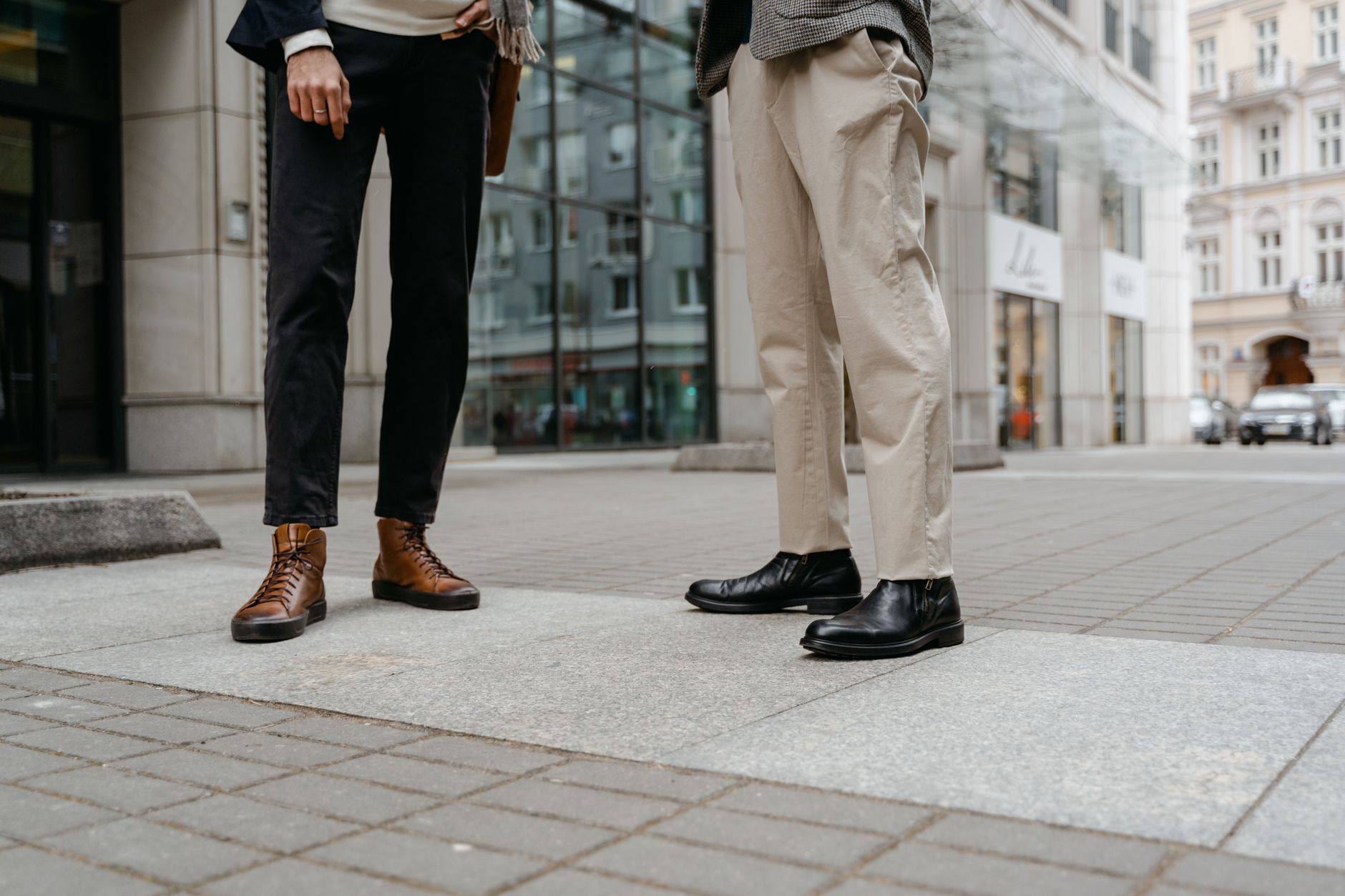
The interesting unresolved question is how far the detail travels before it loses the specificity that makes it interesting. Button tabs on cropped trousers work because they’re rare enough to feel deliberate. If the closure appears on every mid-range trouser by next season, the careful reference collapses into generic hardware trim. Right now, the detail is still doing the work it was designed to do – closing something precisely, with no excess.