

The Collar Detail That Built an Empire
The Oppidan stick up – the stiff, winged collar worn by non-scholar boys at Eton College – has spent centuries doing one job quietly and without complaint: announcing that its wearer belongs somewhere specific, to something specific, in a way that no other garment detail quite manages. It is not decorative in any conventional sense. Its architecture is structural, almost confrontational, forcing the chin upward and the neck into rigid display. That functional austerity is exactly why it is now attracting serious attention from designers working in sculptural tailoring and conceptual menswear.
A growing number of collections are pulling from the visual language of institutional British dress, and the stick up collar sits at the center of that conversation. Where previous seasons borrowed from military uniform or sportswear silhouettes, this particular wave is going narrower and more precise – reaching into the grammar of school dress codes, uniforms that were never intended to be fashionable, and finding in them a structural logic that contemporary fashion has largely abandoned.
What the Stick Up Actually Does
The mechanics of the Oppidan collar are worth examining on their own terms before considering what the fashion world is doing with them. The collar stands independently from the neck, creating a channel of negative space between fabric and skin. It does not drape, gather, or soften. The points extend upward and slightly outward, framing the jaw from below rather than the face from above. The effect is a kind of architectural bracket – the head appears set, almost mounted, within the structure the collar creates around it.
This is meaningfully different from the standard spread collar, the mandarin band, or even the high Victorian stand collar. Those constructions hug or rest against the neck. The stick up asserts itself independently of the body wearing it, which gives it a quality closer to sculptural object than clothing component. Designers drawn to the silhouette are not borrowing nostalgia – they are borrowing a structural principle: that a collar can hold a shape whether or not the body fills it, and that this autonomy of form changes the visual relationship between garment and wearer entirely.
Sculptural Architecture Finds Its Reference Point
Collar architecture has been building quietly in tailoring circles for several seasons. The conversation started with exaggerated lapels – wide, blade-like, sometimes extending to the shoulder seam. Then came the revival of the tab collar and the pin collar, which drew attention back to collar engineering as a zone of creative decision-making rather than mere convention. The stick up is the logical next step: a collar form that takes structural autonomy to its furthest practical point while remaining wearable.
The specific appeal for contemporary designers is that the stick up achieves its effect without ornamentation. There are no contrasting fabrics, no visible boning, no decorative stitching that signals effort. The collar stands because of how it is cut and interfaced – the craft is invisible, but the result is impossible to ignore. That combination of restrained means and bold outcome fits precisely into the current appetite for clothes that look considered without looking try-hard.
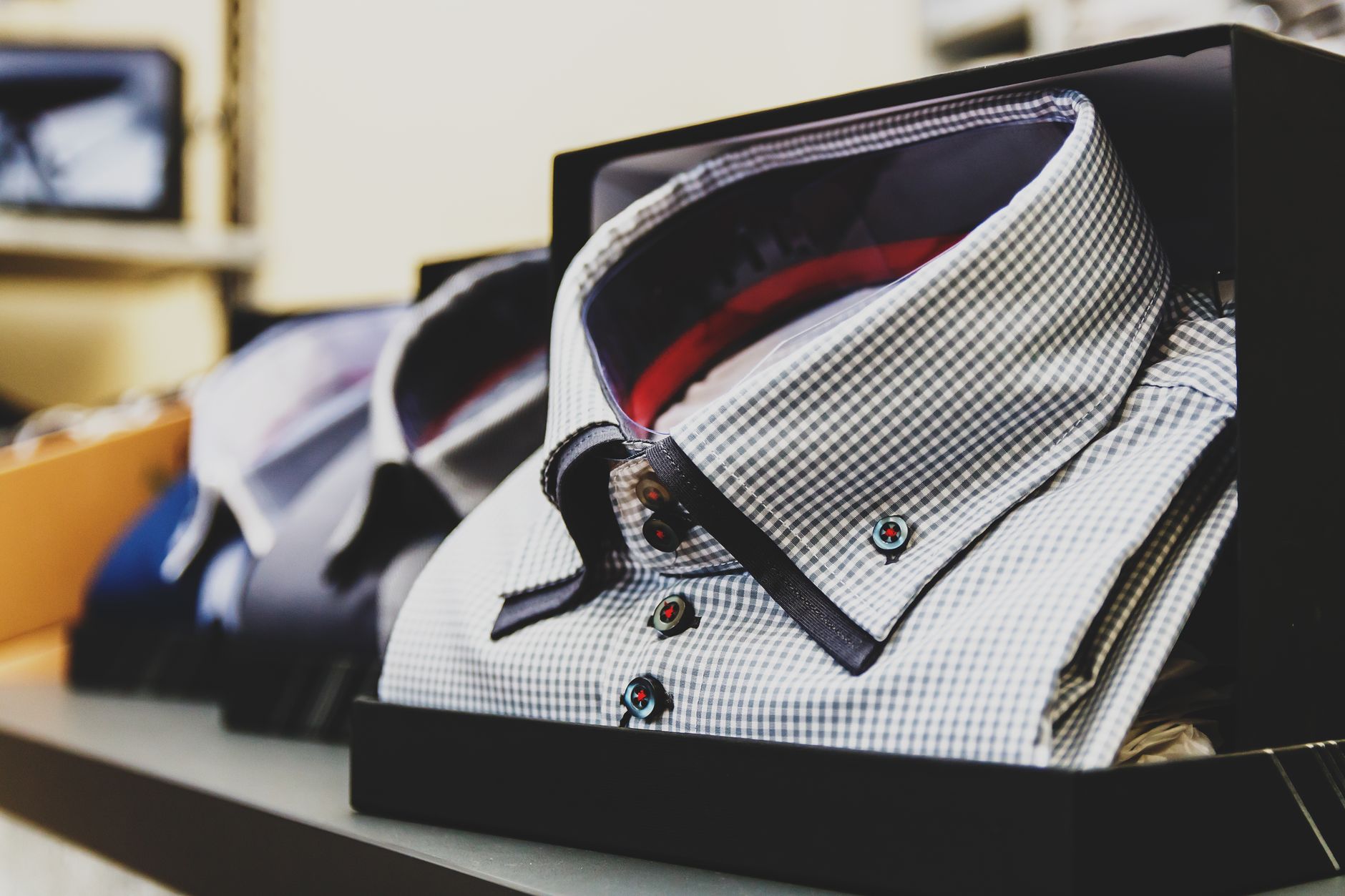
Some brands experimenting with elevated tailoring are applying the stick up structure to materials the original form never anticipated. Stiff cotton poplin remains the natural home of the collar, but versions cut in technical canvas, pressed wool, and even treated linen are appearing in sample collections and runway previews. Each material shifts the character of the form – wool makes it heavier and more formal, linen gives it a slight organic irregularity, technical fabrics push the silhouette toward something that reads as both historical and conspicuously contemporary.
The proportional decisions involved are unforgiving. A stick up collar in the wrong height or with points cut at the wrong angle reads as costume rather than clothing, which is the central technical challenge facing designers working with it. The Eton original was calibrated for a very specific shirt and jacket combination, worn with a white bow tie and a tail coat. Translating that structure into modern separates requires rebuilding its proportional relationships from scratch, and the margin between getting it right and producing something that looks like theatrical dress is genuinely narrow.
Institutional Dress as Design Source
British institutional uniform has a long history as a design source, but it has typically been raided for surface detail – the stripe, the badge, the colour combination – rather than for structural ideas. The current interest in the stick up collar suggests a more rigorous engagement with what institutional dress actually does mechanically, rather than what it signals culturally. The collar is not being used to evoke Eton specifically; it is being used because its construction solves a problem that contemporary tailoring keeps circling: how to create strong silhouette at the neck without added bulk or decoration.
This is part of a broader movement in menswear away from streetwear volume and toward precise, structured tailoring that communicates through form rather than graphics or branding. The stick up collar, in this context, is less a nostalgic reference and more a technical tool – one that happens to come with a very specific and very loaded institutional history attached to it.
Wearing Structure in the Present Tense
How this collar sits in an actual wardrobe is a question the trend has not fully answered yet. The Eton stick up was designed for an entire dress system – it does not exist in isolation in its original context. Lifting it into contemporary styling means pairing a formally extreme collar with everything from tailored trousers to relaxed outerwear, which requires a confidence in wearing structural clothing that not every buyer brings to the equation. Early adopters working with the form are treating it as a statement piece in the truest sense: a collar that carries enough visual weight that everything else worn with it functions as background.
Shirt-makers with a tailoring background are approaching the construction differently from ready-to-wear labels. Bespoke versions allow for the collar height and point angle to be adjusted to the individual wearer’s neck length and jaw line, which matters considerably when the collar is designed to frame the face as deliberately as this one does. At the ready-to-wear level, the standardization of sizing creates fit challenges that the bespoke context simply does not have – and a stick up collar that sits too low on the neck, or whose points extend past the jawline, loses the architectural effect entirely.
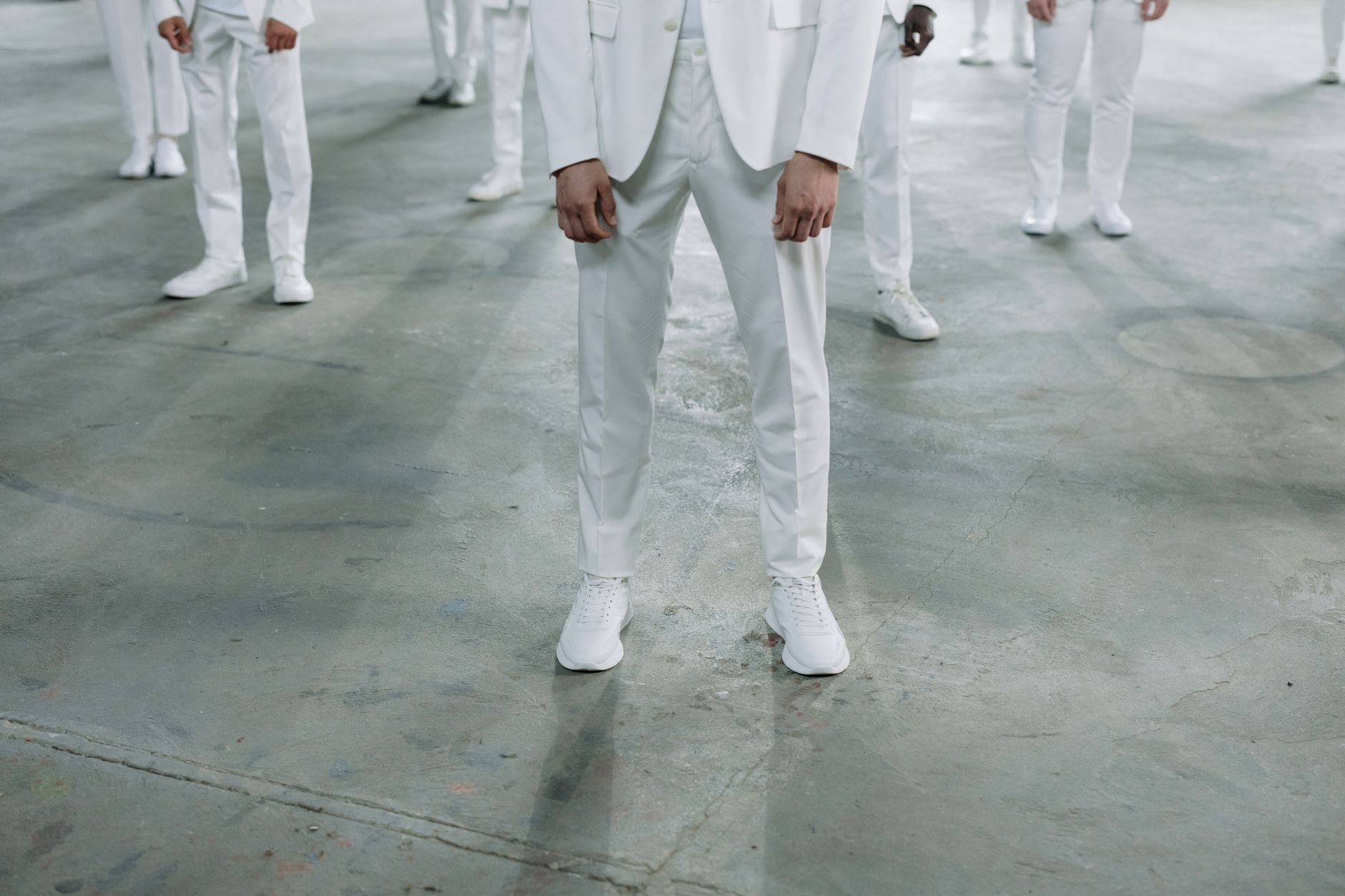
The other consideration is what the collar communicates when worn outside its original institutional context. Eton dress carries significant class association in British culture, and designers and wearers engaging with the stick up are inevitably engaging with that history whether they intend to or not. Some find that tension productive – the collar becomes a conversation about what formal dress means and who it historically belonged to. Others find the association limiting. The collar’s future in fashion probably depends on how clearly designers can establish its structural identity independent of its institutional one, which is a design problem as much as a cultural one.