


When School Uniform Becomes Avant-Garde Blueprint
The Eton tails coat is not subtle. It announces itself – the long back skirt, the horizontal front cut, the formality encoded into every seam. For generations, it has functioned as pure institutional uniform, unchanged precisely because change was never the point. The coat exists to signal belonging, not creativity. Which makes what is currently happening to its signature vent construction all the more striking.
A quiet movement is running through menswear ateliers and independent tailoring studios: the back vent of the Eton-style tails coat is being pulled apart, deconstructed, and rebuilt as the structural foundation for a new kind of jacket hem. Not a costume reference, not a heritage pastiche. A genuinely different silhouette that borrows the engineering logic of the vent without its ceremonial weight.

What the Vent Actually Does
To understand why tailors are fixating on this particular detail, it helps to understand what the tails vent achieves mechanically. The rear opening in a tails coat is not decorative. It allows the coat to split cleanly when the wearer is seated on horseback, or, in the context of Eton and formal dinners, when they sit at a long table. The vent is a functional solution to fabric tension, distributing stress across the back seam rather than concentrating it at the base of the skirt.
Contemporary jackets handle this problem differently – side vents, centre vents, or no vent at all. What the tails coat vent offers that none of these do is directionality. The split moves the eye deliberately downward and then outward, creating a visual line that standard jacket constructions simply do not produce. That quality – the controlled drama of a hem that opens rather than closes – is what designers are now extracting from the uniform context entirely.
The result reads as deconstructed, but the construction is actually more deliberate than what it replaces. Pulling a vent out of its original context requires the tailor to re-engineer the support beneath it: the interfacing, the lining cut, the way the hem behaves when the wearer moves. A tails vent only works because the entire back panel of the coat is built around it. Remove the coat, keep the vent logic, and you have to rebuild that structural argument from scratch.
The Silhouette Shift in Practice
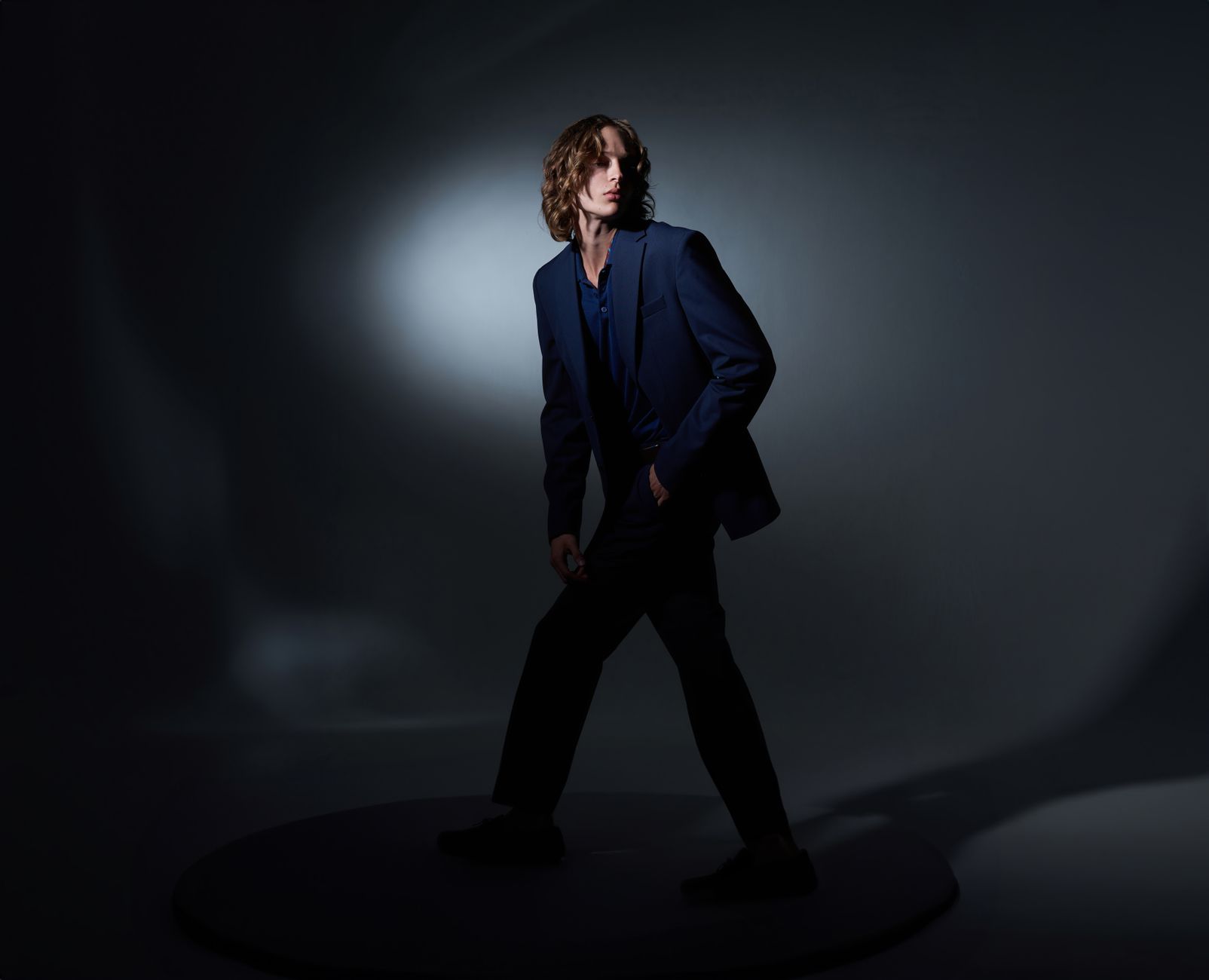
What this looks like in practice varies considerably, which is part of what makes the trend difficult to pin down as a single aesthetic moment. Some studios are applying the split-hem logic to cropped single-breasted jackets, where the vent runs from mid-back to a hem that sits at the natural waist. The effect is almost architectural – a jacket that behaves like conventional tailoring from the front and dissolves into something more structural from behind.
Others are working with the full-length back skirt of the tails silhouette but cutting it into two distinct panels at the hem, allowing each side to be weighted and shaped independently. This is where the deconstructed language becomes accurate: the hem is no longer a single finished line but a conversation between two separate pieces of fabric, each with its own drape and movement. It sits closer to demi-couture workroom practice than to ready-to-wear logic.
Why Now, and Why This Detail Specifically
Institutional dress has been feeding into fashion conversations for several seasons – not as irony and not as nostalgia, but as a source of genuinely unresolved design problems. School uniform construction is particularly interesting because it was engineered to survive heavy use, institutional budgets, and the chaos of adolescent wearers, while still communicating formality. That tension between durability and ceremony produces structural decisions that mainstream tailoring rarely needs to make.
The tails vent sits at the centre of that tension. It is simultaneously the coat’s most formal detail – the one that signals equestrian heritage and white-tie tradition – and its most pragmatic one. Fashion has always been drawn to objects that carry that kind of contradiction, and similar logic is playing out in how polo club garments are being re-examined for their technical construction, with functional venting details migrating into entirely different contexts.
There is also a straightforward commercial logic to working with this silhouette. The deconstructed hem produces dramatic visual results with relatively contained pattern adjustments. A tailor who understands the vent structure can introduce significant visual complexity without rebuilding the entire jacket block. For small studios operating on limited production runs, that ratio of impact to effort matters considerably.
What is harder to predict is whether the detail can hold its visual interest once it moves further from its source. Right now, the tails vent reference is legible enough that the deconstructed version carries a clear point of contrast – the viewer recognises what is being taken apart. As the detail filters through more collections and loses that referential clarity, the structural logic alone has to justify itself. A split hem that no longer carries the memory of an Eton coat is simply a split hem, and the question of whether that is enough depends entirely on what the rest of the jacket is doing around it.
Frequently Asked Questions
What is an Eton tails coat vent?
The vent is a rear opening in the tails coat that allows the fabric to split when seated, distributing tension across the back seam rather than concentrating it at the hem.
How is the Eton vent being used in contemporary fashion?
Tailors are extracting the split-hem construction from its uniform context and rebuilding it into cropped and full-length jackets, creating a deconstructed silhouette that retains the structural logic without the ceremonial reference.