

The Brace Button Tab: A School Uniform Detail Rewriting Trouser Construction
The tails coat worn by Eton College students is one of the most recognizable school uniforms in the world, but the detail drawing quiet attention from tailoring circles is not the coat itself. It is the small, fabric-covered button tab sewn into the interior waistband of the trousers – a functional fixture designed to anchor brace clips and keep the trouser riding at a precise height without gaping, shifting, or buckling at the back. That tab, often overlooked in discussions of heritage dress, is now influencing how contemporary trouser waistbands are constructed and finished.
Structured trousers have been cycling back into fashion for several seasons, and with that return comes renewed interest in how waistbands actually behave on the body. A waistband that gaps, folds, or pulls under a tucked shirt undoes the entire effect of a well-cut trouser. The brace button tab solves this problem with an almost absurd simplicity: it gives the braces a fixed anchor point inside the waistband, distributing vertical tension evenly rather than concentrating stress at the outer waistband seam.
The result is a trouser that hangs correctly from the shoulder, not the hip.
Why the Tab Works Where Belt Loops Don’t
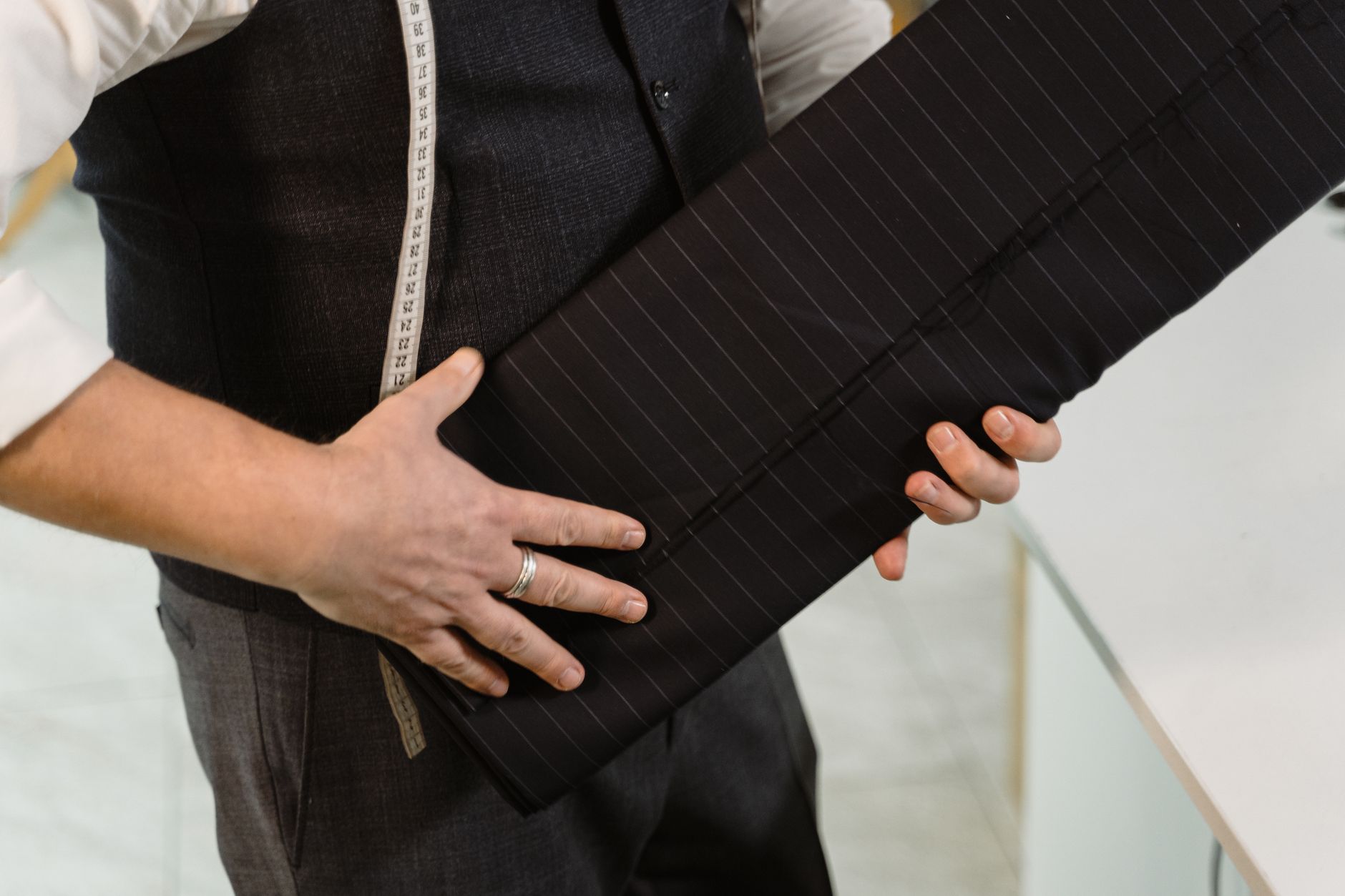
Belt loops are designed for a horizontal cinching force. Braces apply a vertical lifting force. When brace clips attach directly to an outer waistband – as they often do on off-the-rack trousers not built for them – the waistband folds outward and the back rises unevenly. The Eton tab sidesteps this entirely by placing the anchor point at the interior of the waistband, close to the trouser’s natural hang point, so the vertical pull works with the garment’s construction rather than against it.
The tab itself is typically a short strip of matching trouser fabric, bar-tacked at one end and finished with a worked buttonhole or a stitched loop at the other. It sits flat inside the waistband, invisible when the trouser is worn, and creates no visual distortion on the exterior. This is what separates it from brace bars – the decorative exterior hardware sometimes added to ready-to-wear trousers to signal brace compatibility. Those bars are mostly aesthetic. The interior tab is functional architecture.
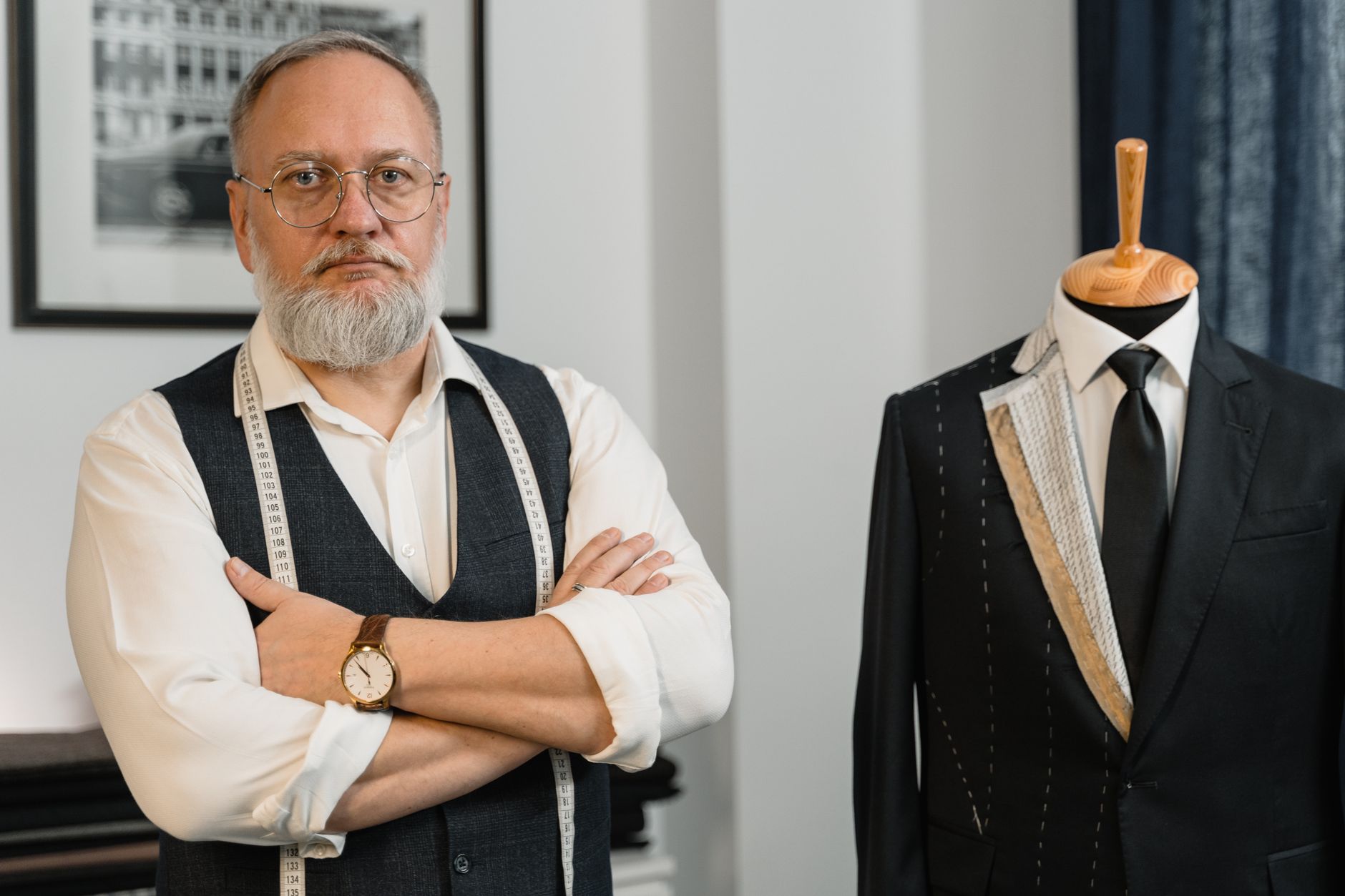
A growing number of Savile Row and independent tailors have begun incorporating this internal tab system into bespoke and made-to-measure trouser commissions, particularly for clients ordering high-waisted cuts that pair with braces. The logic is sound: a high waistband without reliable brace anchoring tends to collapse under its own fabric weight by midday, defeating the clean silhouette that made the style worth pursuing in the first place.
From Schoolboy Uniform to Structured Tailoring
Heritage uniform details have a reliable track record of migrating into civilian dress. The fencing world’s gauntlet cuff welt stitching has already made inroads into tailored sleeve construction, following the same path from institutional function to considered fashion application. The brace button tab is moving along a similar trajectory, arriving at a moment when trouser tailoring is being reassessed from the waistband down.
What makes the Eton detail particularly transferable is its neutrality. It does not require the trouser to be redesigned from scratch. A tailor can add internal brace tabs to an existing block without altering the outward silhouette at all. For fashion labels working on structured trousers – particularly those experimenting with 1930s and 1940s silhouettes where high-waisted, wide-leg cuts are built to be worn with braces rather than belts – the tab becomes a finishing standard rather than an optional extra. Some ateliers are now treating its absence as an oversight.
The detail also carries a secondary structural benefit: it subtly reinforces the interior waistband seam. Because the tab is bar-tacked to the waistband’s inner curtain of fabric, it prevents the waistband from rolling or warping at the back, which is the most common point of failure on trousers worn without a belt. Even trouser wearers who never use braces benefit from the stability the tab adds to the waistband’s internal architecture.
The Quiet Influence of Institutional Dress
Institutional clothing – school uniforms, military dress, workwear, sporting kit – tends to solve problems with blunt efficiency rather than aesthetic intention. That efficiency is exactly why it keeps surfacing in serious tailoring. The Eton tails coat brace button tab was not designed to be stylish. It was designed to keep a schoolboy’s trousers from shifting during chapel. That it also happens to be the correct engineering solution for structured bespoke trousers is less a coincidence than a confirmation that function, taken seriously enough, eventually looks like craft.

For anyone commissioning high-waisted trousers right now, the question worth asking a tailor is not whether to include braces, but whether the waistband has been built to actually hold them – and whether those internal tabs are bar-tacked with enough depth to survive daily wear. A tab sewn with three millimeters of clearance will fail at the buttonhole. A tab sewn correctly is invisible, indestructible, and the only reason the trouser looks the way it does by end of day.