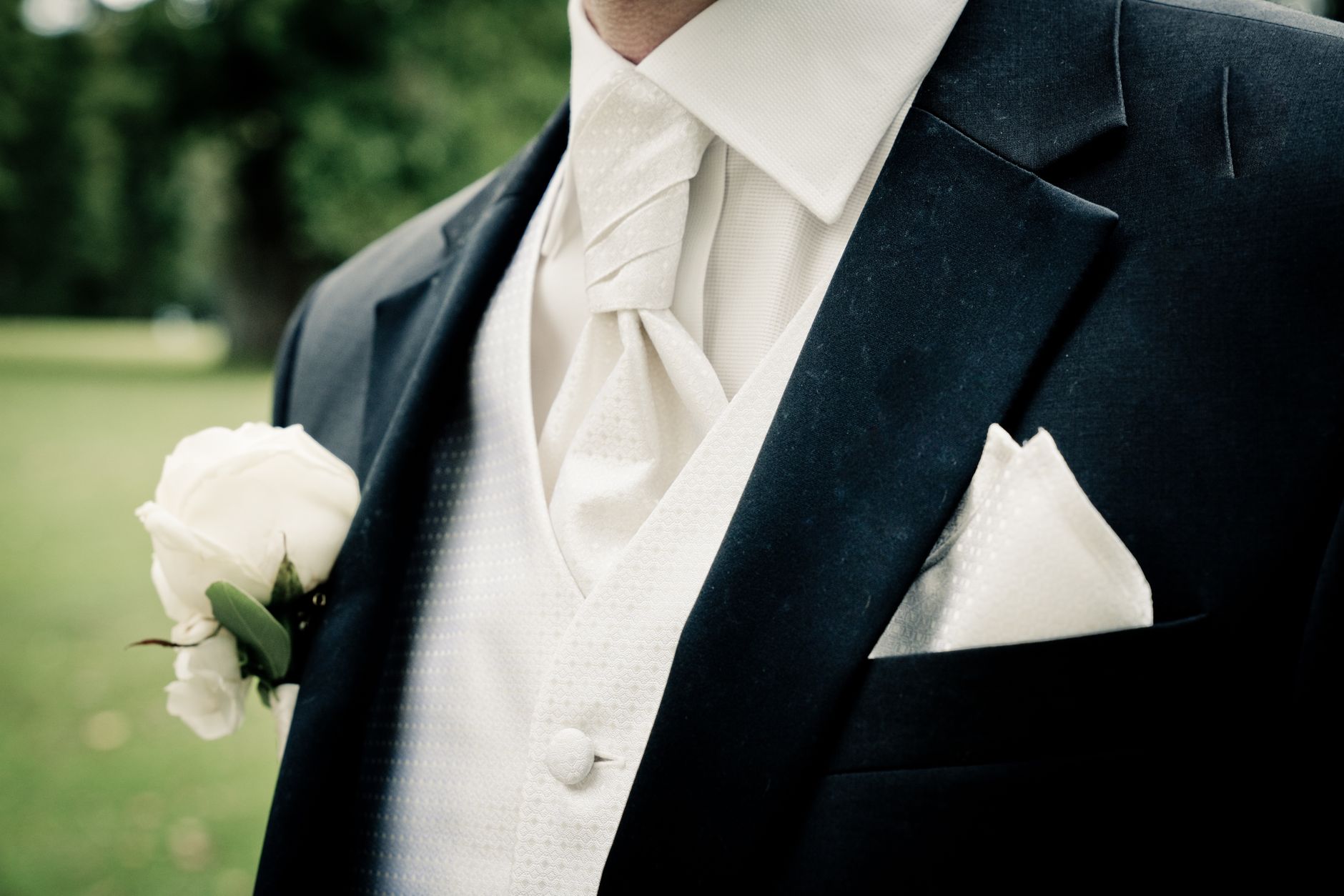


Tailoring’s most obsessive structural details have always lived in the spaces no one thinks to look. Right now, a very specific piece of Eton College dress code anatomy – the waist seam stay from a traditional tails coat – is making its way into the construction vocabulary of structured blazers, and the results are quietly changing how fitted jackets hold their shape at the body’s most critical point.
What a Tails Coat Stay Actually Does
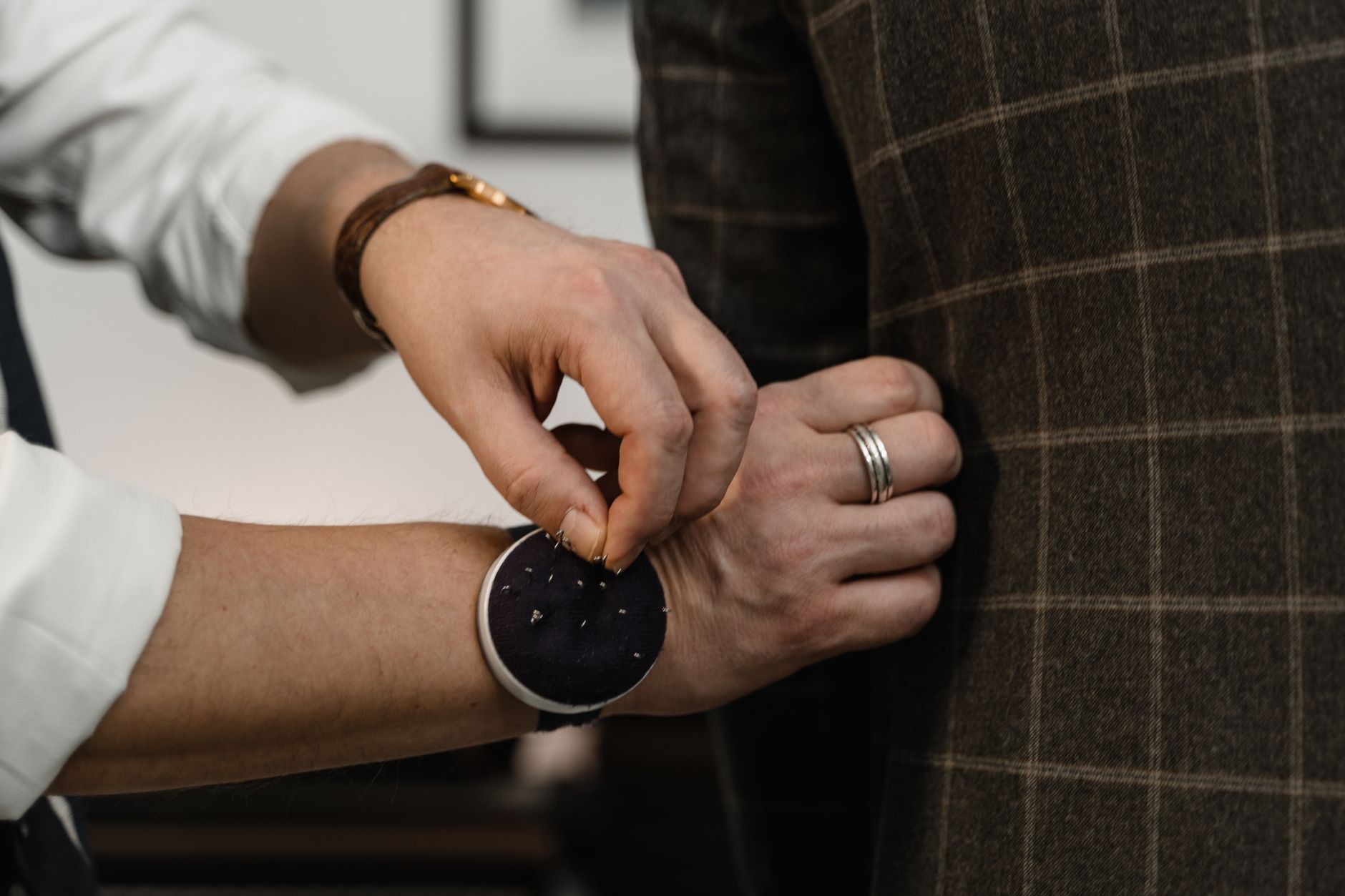
The Eton tails coat is a highly specific garment with a long institutional history. Worn by scholars at Eton College as part of a formal dress code that dates back centuries, it features a dramatically cut-away front and a long back tail – a silhouette that demands the waist seam sit with absolute precision. To keep that seam from migrating, twisting, or distorting under movement, Savile Row-trained tailors who work on these garments sew a stay directly into the seam allowance at the waist. The stay – typically a strip of firm cotton twill tape, linen, or occasionally a narrow boning channel – anchors the seam and prevents the kind of rotational drift that ruins an otherwise perfect fit.
The mechanics here are worth understanding. A waist seam on a structured coat sits under constant stress. Sitting, standing, reaching – all of these movements apply torque to the seam from different directions simultaneously. Without a stay, the seam can twist toward the back when the wearer sits, then pull forward during movement, creating a slow, cumulative distortion that no amount of pressing fully corrects. The stay holds the seam in a fixed plane, so the coat returns to its original position every time. It is a small intervention with a very large effect on how a garment reads across a full day of wear.
What makes the tails coat version particularly interesting to contemporary blazer makers is the placement. Unlike stays in corsetry or some structured dresses, the tails coat stay sits specifically at the side seam junction and the center back waist – the exact points where a fitted blazer body tends to fail first. A blazer that fits perfectly on the hanger will often show diagonal pulling across the back after a few hours of wear. That pulling almost always originates at those same junctions. The structural problem is identical; the solution transfers directly.
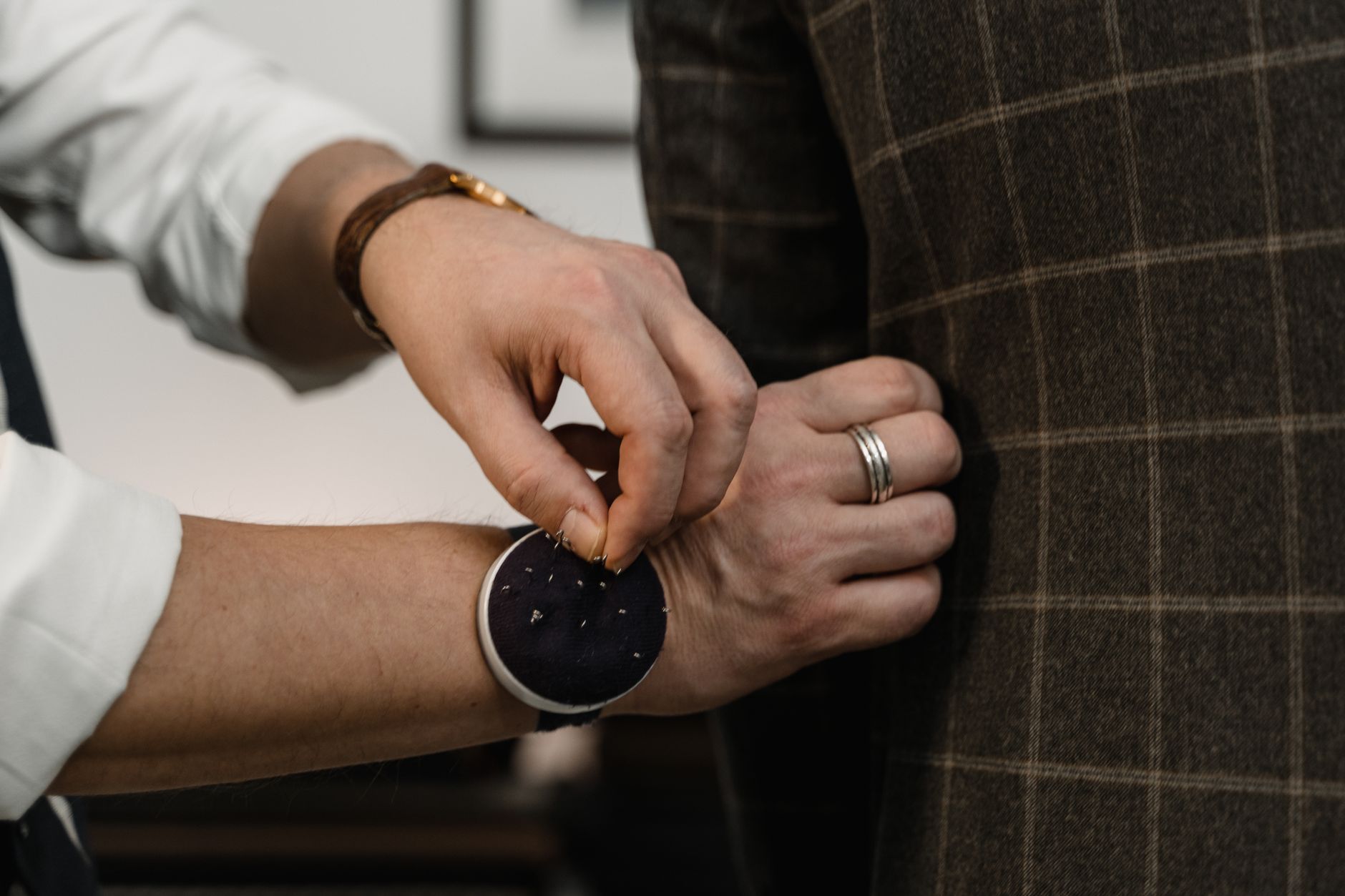
A growing number of tailored blazer makers are beginning to treat the tails coat stay not as a historical curiosity but as a practical tool. The technique requires almost no additional material – a few inches of tape, a precise hand-stitch through the seam allowance – but adds measurable stability to the finished garment. Bespoke tailors who work in both traditional formalwear and contemporary suiting have noted the overlap for years. What is changing now is the willingness of ready-to-wear manufacturers to incorporate hand-finishing techniques that were previously considered impractical at scale.
How the Technique Is Moving Into Blazer Construction
The shift is happening at the intersection of two trends that have been building for several seasons. First, there is renewed consumer interest in structured suiting – blazers with a proper chest, a defined waist, and a back that lies flat rather than pooling at the shoulder blades. Second, there is growing awareness among both designers and buyers that structure achieved through interfacing alone has limits. Heavy interfacing can make a blazer feel stiff and boardlike while still allowing the underlying seams to drift. The stay addresses a different problem – not rigidity, but seam stability – and the two approaches can coexist comfortably in the same garment.
The boning channel variation of the stay is where this gets particularly interesting for fashion rather than just tailoring. Some makers are experimenting with a very narrow spiral steel or synthetic whalebone substitute inserted into a channel sewn directly into the waist seam allowance, rather than a flat tape stay. This adds a slight outward pressure that keeps the seam from folding inward on itself, which can happen in lightweight wool or technical fabrics that lack the body of a traditional suiting cloth. The result is a blazer waist seam that behaves more like the seam on a structured corset bodice – it holds its line under compression rather than collapsing toward the body.
The aesthetic effect is subtle but visible. A blazer with a properly stayed waist seam shows a cleaner break at the hip, a more defined waist curve from the back, and less fabric creasing directly above and below the seam during movement. These are not dramatic differences, but they are exactly the differences that distinguish a blazer that photographs well and holds up across a long day from one that looks slightly tired by noon. For anyone who wears tailoring seriously – for work, for events, for the kind of occasions where how you look at 6 p.m. matters as much as how you looked at 9 a.m. – these details compound.
The technique also opens up possibilities for fabric choices that were previously considered too risky for a fitted blazer. Lightweight linens, open-weave wools, and technical stretch fabrics all lose their structure at the waist seam faster than heavier cloths. A stay can compensate, allowing a maker to use a fabric that drapes beautifully or breathes well without sacrificing the silhouette. This is why the detail is appearing in spring and summer tailoring as well as heavy suiting – it solves a problem that is not specific to any one fabric weight.
What is notable about this adoption is how quietly it is happening. There are no press releases, no campaign imagery built around the concept. The stay is a construction detail, invisible from the outside, and the brands experimenting with it are communicating its presence mostly through lookbooks that emphasize fit precision and through the vocabulary of their product descriptions – words like “seam-stabilized,” “architectural waist,” and “structured through the body” that signal the technique without naming it directly.
The Broader Logic of Institutional Tailoring as a Source
Eton tails coats represent an unusual design brief: a garment that must look impeccable under extremely formal conditions, survive daily wear by active young men, and maintain its shape without the kind of regular professional pressing that most bespoke garments receive. That brief has produced, over generations of Savile Row refinement, a set of construction solutions that are genuinely robust under real-world conditions. The waist stay is one of them, but so are the specific ways the back pleat is anchored, the method of setting the collar so it does not roll forward, and the construction of the tail itself so it does not twist during movement. Each of these solutions addresses a real mechanical problem, which is exactly why they transfer so well to civilian tailoring when someone bothers to look.
The deeper question for blazer construction is whether the stay becomes a standard expectation or remains a mark of elevated making. At bespoke and made-to-measure price points, hand-applied stays are entirely feasible. At mid-market manufacturing scale, the technique requires a deliberate decision to add a hand-finishing step to a process that is otherwise largely machine-sewn – a decision that costs money and requires skilled labor. The brands most likely to adopt it broadly are those already invested in visible construction quality as a point of difference, which means the stayed blazer waist may stay anchored to a particular price bracket for some time yet.