

The Collar That Built an Empire
The Eton Wall Game is not a sport most people have watched, and fewer still have played. Contested annually on a narrow strip of ground beside a centuries-old brick wall at Eton College, it is deliberately insular, almost theatrical in its obscurity. The uniform that goes with it – stiff-necked, structured, emphatically upright – has spent decades doing exactly what institutional dress tends to do: staying put. But something has shifted in how designers are reading that collar, and the change is moving faster than anyone expected.
What started as a reference point for a handful of London-based designers has expanded into a recognizable shape language appearing on runways from Milan to New York. The standing collar, rigid at its base and architecturally proportioned, is no longer a historical footnote. It is becoming one of the defining silhouettes of the season.
Starch, Structure, and the Architecture of Authority
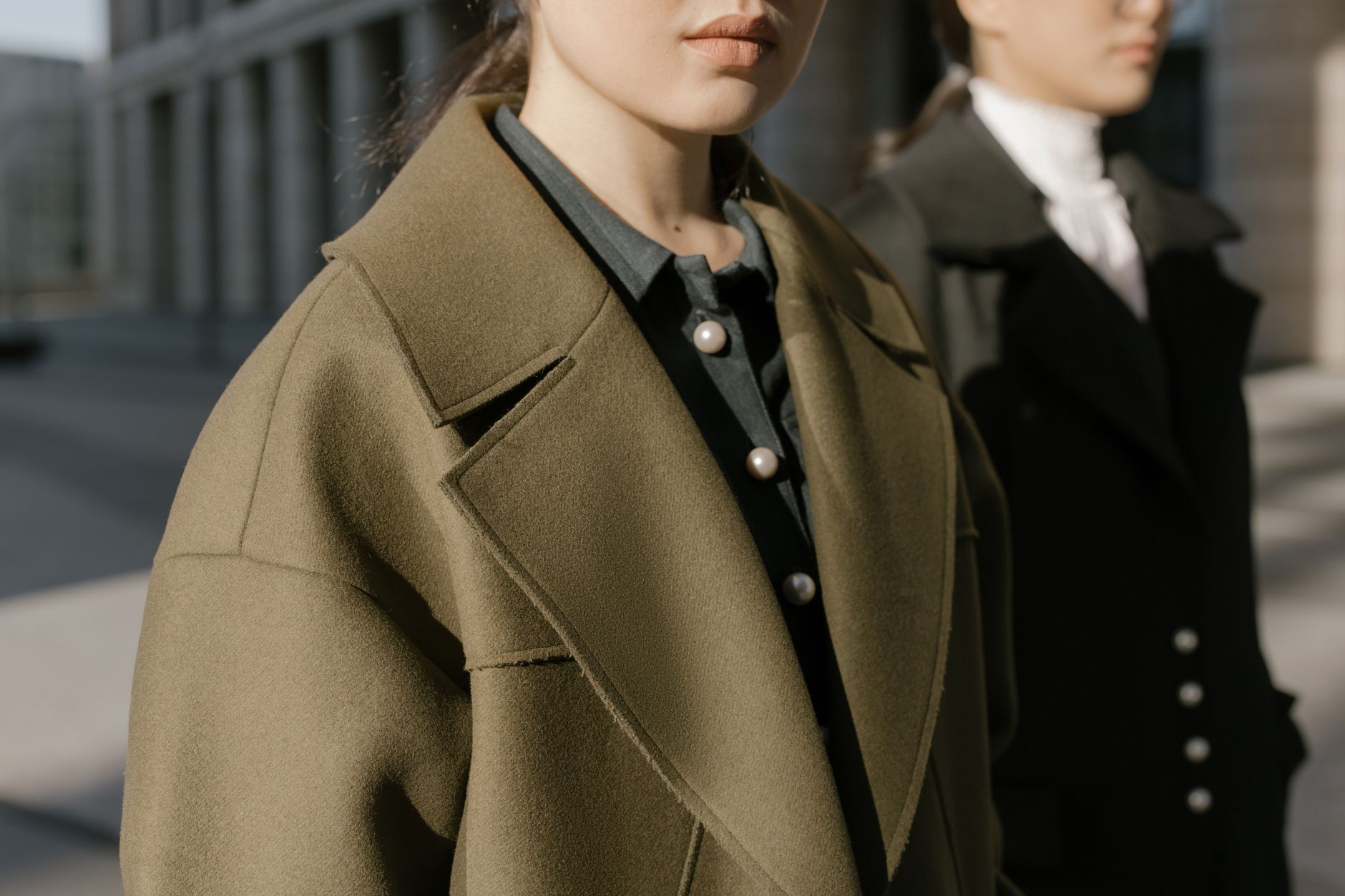
The functional logic behind the original collar was straightforward: protect the neck during a game played in close contact with rough brick. But form followed function in a way that produced something unexpectedly beautiful. The collar stands independent of the wearer’s posture – it does not collapse, does not soften, does not negotiate. That uncompromising quality is exactly what designers are now mining for ready-to-wear and editorial purposes.
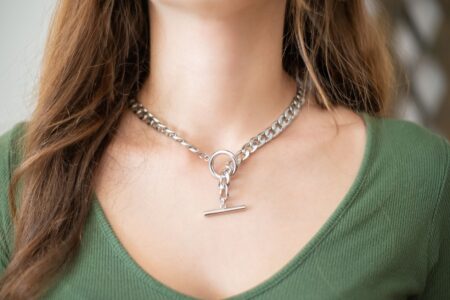
Sculptural neckwear has been circling the edges of fashion for several seasons, with cut-out necklines and exaggerated lapels trading on similar ideas about framing the face and neck as a focal point. The Eton collar takes that logic further by treating the collar itself as an object – something closer to jewelry than clothing. When you stiffen a collar to the point where it holds its shape off the body, you are no longer dressing a person; you are building a structure around them.
The construction techniques involved are not simple. Achieving the particular rigidity of a true institutional standing collar requires internal boning, heavy interfacing, or layered buckram – methods borrowed as much from millinery and costume work as from conventional tailoring. A growing number of independent designers and atelier labels are approaching collar construction the way a sculptor approaches armature: building inward from a desired outer shape, rather than draping cloth and hoping it behaves.

The Runway Reading
This season’s collections showed a marked appetite for neckwear that announces itself before the rest of the garment does. Structured standing collars appeared in heavy wool crepe, stiffened silk faille, and double-bonded cotton – materials chosen specifically for their ability to maintain a predetermined shape under wear. The silhouette tends to sit high and close, framing the jaw from below and creating a vertical line that elongates the neck in photographs and on stage.
The styling choices around these collars are deliberately spare. When the collar is the architecture, the rest of the garment functions more like a plinth than a statement. Fitted bodies in flat fabric, minimal surface detail, and neutral color palettes let the collar carry the visual weight. This is a studied restraint, not an accident – and it aligns with a broader appetite for clothes that make a single, unambiguous point.
Why Institutional Dress Keeps Feeding Fashion
There is a persistent pattern in fashion’s relationship with institutional and sporting uniforms: designers return to them not for nostalgia, but for the design problems they solved. A cricket sweater was engineered for range of motion under pressure. A collegiate blazer was cut to project authority in a hierarchical setting. The Eton Wall Game collar was designed to survive physical contact with centuries-old masonry while still appearing correct. These are not soft briefs, and the clothes that emerged from them tend to have an internal logic that purely aesthetic design often lacks.
The collar also carries a particular kind of cultural weight that feeds the current fashion conversation around class signaling and subverted prep. Wearing something that reads as emphatically institutional – especially something as specifically coded as Eton dress – is never a neutral choice. On the right body, in the right context, it functions as both homage and critique. The shape says “establishment”; the styling context can say almost anything else. That tension is productive, and designers are working it deliberately. The interest in equestrian-coded accessories – from polo club rosettes appearing as corsage jewellery to surcingle-inspired belt constructions – runs on exactly this kind of semiotic play.
What makes the Eton collar particularly durable as an influence is its abstraction potential. Unlike a specific logo or a recognizable print, a standing collar loses its institutional context the moment you change the fabric weight or the garment it attaches to. A stiffened white cotton collar on a school uniform is a symbol of very specific social membership. The same geometry executed in black bonded crepe on a structured coat reads as avant-garde tailoring. The shape travels well because it can be stripped of its original meaning while retaining its formal authority.
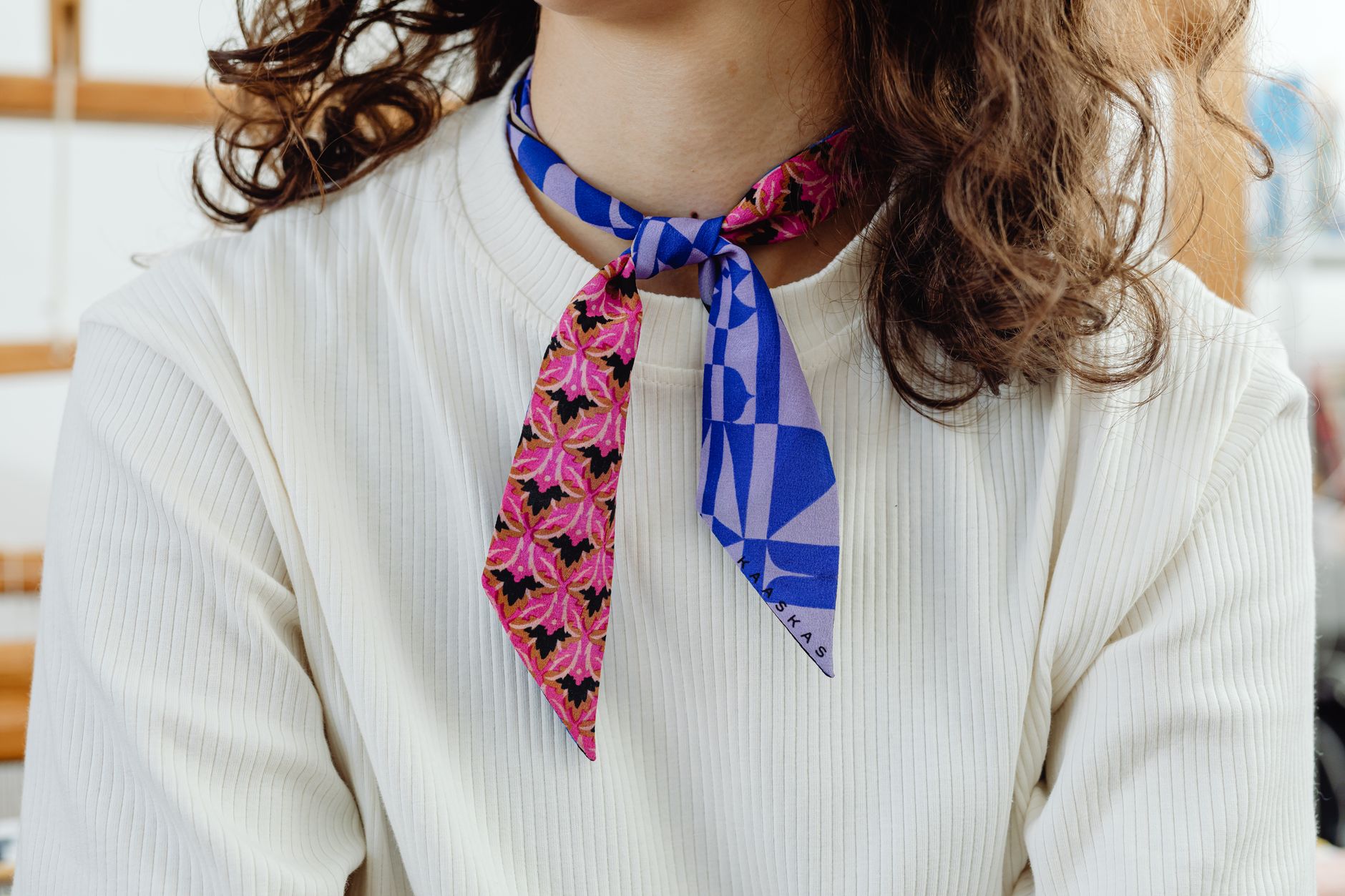
The most interesting versions appearing in designer lookbooks right now are not literal reproductions of the school collar – they are extrapolations. Collars that extend three or four inches above the chin, creating a partial face frame. Collars built from contrast panels so the structural seaming becomes a design element. Collars that detach and function as standalone accessories, worn over knitwear or layered against a turtleneck. The game uniform is a starting point, not a destination – and the designers pushing this silhouette furthest are the ones treating it as raw material rather than reference.
Frequently Asked Questions
What is the Eton Wall Game collar?
It is a stiff, high standing collar traditionally worn as part of the uniform for the Eton Wall Game, a sport played at Eton College in England. Its rigid construction is now influencing contemporary fashion design.
How are designers adapting the Eton collar for modern fashion?
Designers are using heavy interfacing, boning, and buckram to recreate the collar’s structural rigidity in new fabrics and silhouettes, often detaching it from its original institutional context entirely.