

Withers pads have spent decades tucked beneath saddle blankets, their quilted surfaces designed to protect the sensitive ridge where a polo pony’s neck meets its back. They are workmanlike objects – thick, contoured, built for pressure distribution and sweat absorption. Fashion has now found them, and the structural logic that makes them function on horseback is the same logic making them relevant on a runway.
The shoulder is fashion’s most contested real estate. Every decade, a new architectural language takes hold there – power suiting, cold-shoulder cuts, exaggerated sleeves – and right now, the quilted, padded, sport-functional shoulder is claiming territory. Withers pad aesthetics are arriving not as costume reference but as genuine structural influence, borrowing the contoured quilting, the thick foam geometry, and the protective silhouette that define equestrian performance gear.
The Anatomy of a Withers Pad Shoulder
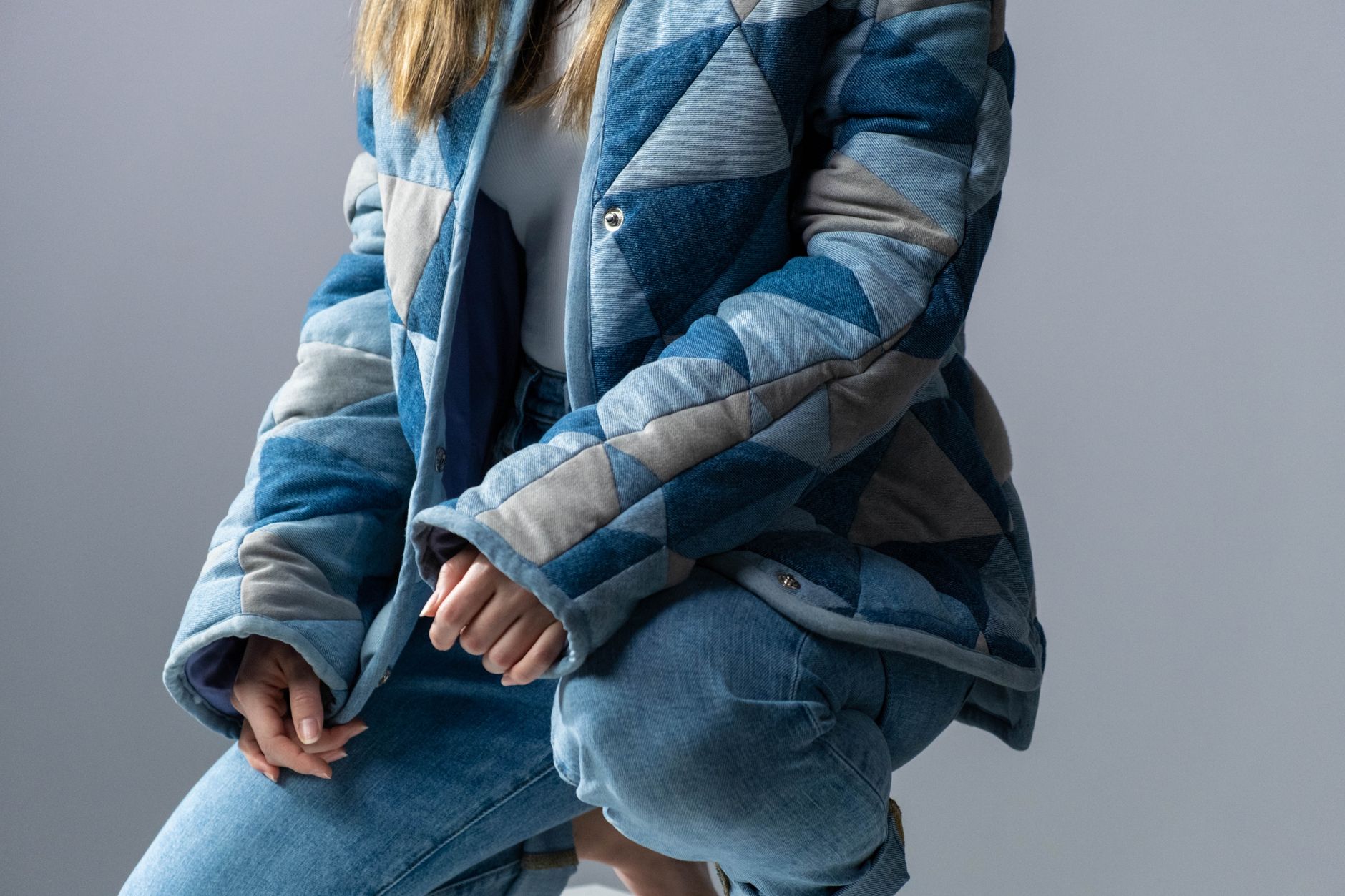
A withers pad is not a flat rectangle. It is shaped to follow the ridge of the horse’s spine, lifting fabric away from a pressure point while distributing weight across a broader surface. That contoured, almost sculptural profile – wider at the edges, raised at center – translates directly into a shoulder construction that sits above the natural shoulder line without the sharp, angular bite of 1980s suiting. The result is something rounder, more athletic, and visually much softer than traditional tailored padding.
The quilting pattern itself does significant work. Equestrian withers pads typically feature diamond or channel quilting that runs across the contoured surface, and when that stitching language appears on a jacket shoulder or the cap of a coat sleeve, it reads simultaneously as sportswear and as something far more refined. The stitching adds dimension without adding bulk in the wrong places. It maps the pad’s surface visually, giving the eye a reason to stop at the shoulder rather than move past it.
Why This Silhouette Works Now
Fashion’s current appetite for sport-utility aesthetics has opened space for references that would have read as niche or costume-heavy in other cycles. Equestrian gear, in particular, carries associations that align well with the mood – heritage craft, physical performance, a certain Anglo-European formality worn down to something practical. Withers pad shoulders sit inside that cultural pocket without requiring the full riding-kit context to make sense.
There is also a structural argument for this shoulder shape that has nothing to do with trend. The contoured pad silhouette widens the shoulder line gradually rather than abruptly, which works across body types in a way that a hard-constructed power shoulder does not. It extends without appearing theatrical. That functional versatility is exactly what designers working across ready-to-wear price points look for when building a shoulder construction that needs to sell broadly.
The quilted surface texture does additional work by placing this design firmly within the luxury activewear conversation. Matelasse fabrics, puffer construction, quilted linings – these are already coded as high-end materials in contemporary fashion. Withers pad quilting reads as a continuation of that language rather than a departure from it, which makes it easier for consumers to absorb without requiring any equestrian literacy. The reference is embedded in the texture and shape, not announced through obvious horse-world iconography.
A growing number of designers are also responding to the practical demand for outerwear and suiting that bridges formal and athletic contexts. The withers pad shoulder delivers that. A coat built with this construction can read as tailored enough for a business context while carrying enough sportswear DNA to feel current. That range of register is difficult to achieve with more traditional shoulder constructions, which tend to lock a garment into one specific formality level.
The Quilting as Surface Detail
Beyond the silhouette, the quilting pattern on withers-inspired shoulders is doing its own design work. Channel quilting running perpendicular to the shoulder seam creates a ribbed, almost topographic quality that catches light differently at different angles. Diamond quilting across the cap of the sleeve reads as a decorative panel that distinguishes the shoulder zone from the rest of the garment – a deliberate color-blocking strategy executed through texture rather than contrast fabric. This is the kind of detail that photographs well and holds up at close range, both important considerations for garments expected to perform across editorial, retail, and social media contexts. The related evolution of polo number cloth graphics drifting into outerwear suggests the broader pattern here: equestrian performance objects are being read as design systems, not just as single references.
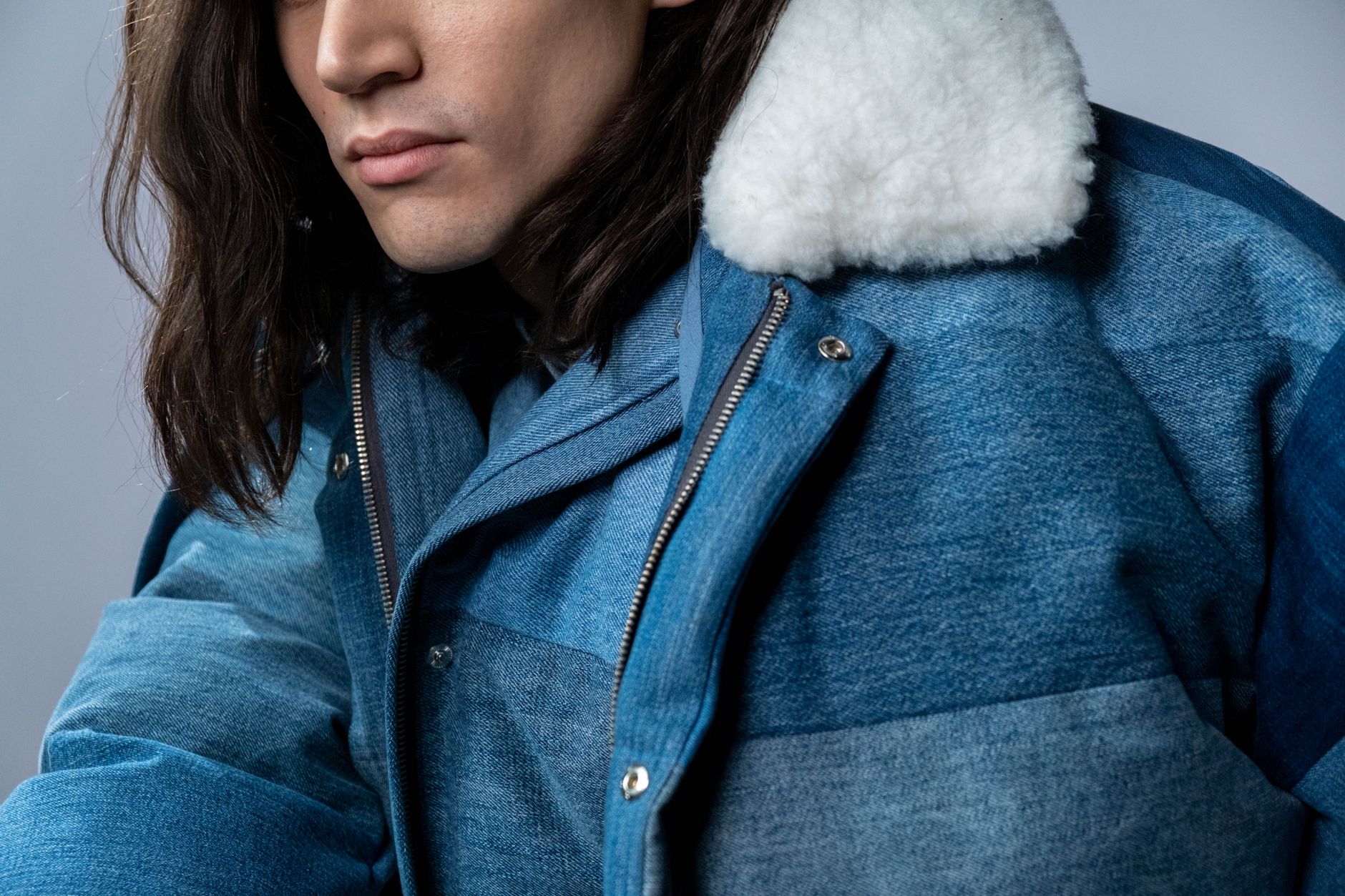
The foam or fiber fill beneath that quilting also changes how the garment drapes from the shoulder downward. A padded, contoured shoulder cap holds the sleeve head in a specific position, reducing the tendency of heavier fabrics to collapse inward. This means the silhouette reads cleanly even in unstructured coats or thick knitwear that would ordinarily lose shoulder definition. The engineering of the withers pad – designed specifically to maintain shape under load and movement – turns out to be exactly what a coat shoulder needs.

Where It Is Showing Up
The withers pad shoulder is appearing most visibly in technical outerwear, where the combination of quilting and athletic contouring fits naturally within the garment’s existing visual grammar. Parkas, field coats, and riding-adjacent jackets are the clearest early adoption sites. The shoulder construction blends with the category’s utilitarian coding rather than creating friction against it, which lowers the design risk for brands introducing the reference.
Tailoring is the more interesting territory. When the withers pad shoulder arrives on a structured blazer or a wool overcoat, the sport-utility reference creates productive tension with the formality of the underlying garment. The quilted cap reads as an insert or a reinforced zone, suggesting a garment that has been engineered rather than simply constructed. That distinction – between standard tailoring and something with a performance logic built into it – is meaningful to consumers who are buying at a premium price point and want the construction to justify the cost.
Knitwear is the quietest adoption zone but possibly the most telling one. A quilted shoulder panel applied to a merino or cashmere knit requires careful integration – the pad construction has to be attached in a way that does not distort the knit’s natural stretch and drape. Getting that right is technically demanding, and brands willing to solve it are signaling that this shoulder language is not a passing surface treatment. The difficulty of the construction is the point: it separates garments built around this reference from garments that are simply printing a quilt pattern onto a standard shoulder seam.