

When Paddle Sports Engineering Meets the Sidewalk
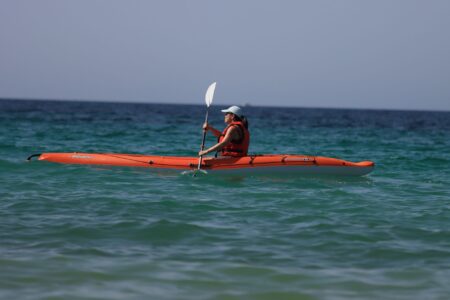
The rocker line – that subtle, continuous curve running along the underside of a kayak hull from bow to stern – exists for one reason: to control how water flows beneath the hull and how the boat responds to directional force. Flat water kayaks use minimal rocker, keeping the hull nearly parallel to the water’s surface for maximum forward speed and tracking efficiency. The geometry is precise, functional, and largely invisible to anyone who isn’t standing directly beside the boat looking at it from the side. Footwear designers have been studying it closely.
A growing number of shoe brands are borrowing the specific curvature logic of flat water kayak hulls and applying it to structured sole construction. The result is soles that don’t just curve at the toe – which has been standard in running shoes for decades – but that carry a deliberate, continuous arc from heel to forefoot, calibrated to direct pressure and movement the way a hull directs water displacement. The aesthetic effect is subtle. The mechanical difference is not.
This is functional geometry dressed as fashion.
The Geometry Behind the Crossover
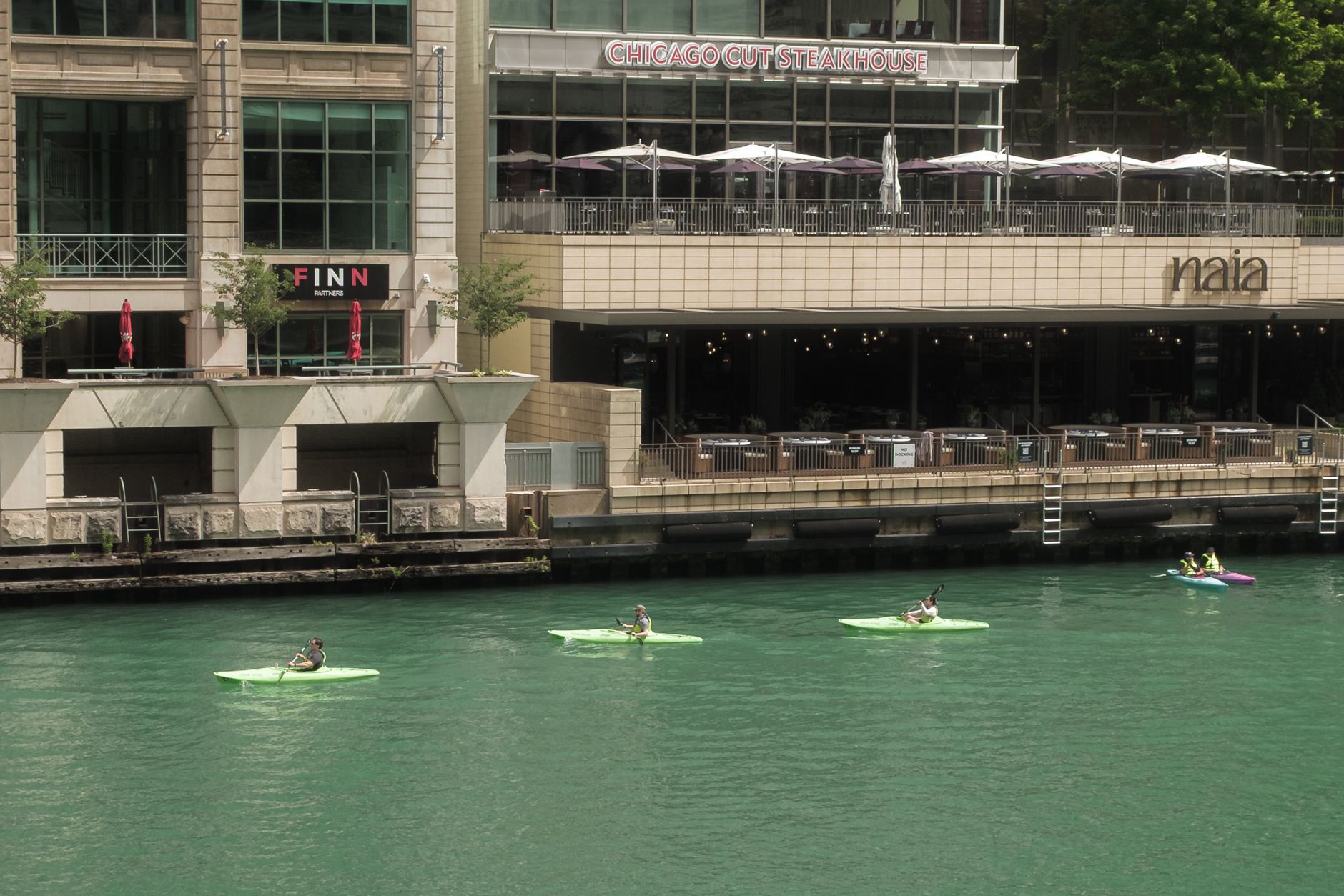
Flat water kayak hulls are engineered with what designers call a “low rocker profile” – a curve so gradual it’s almost imperceptible until you measure it. That gentle arc prevents drag, maintains contact efficiency across the hull’s length, and stabilizes the vessel under forward momentum. Translated to a shoe sole, the same geometry does something comparable: it reduces resistance at heel strike, encourages a more efficient midfoot transition, and keeps the sole in controlled contact with the ground rather than rocking abruptly at either end. The physics transfers more cleanly than you might expect.
What separates this from standard curved soles in athletic footwear is the structured element. The brands working with this approach aren’t using flexible foam that passively follows the foot’s movement. They’re building soles with internal architecture – carbon fiber plates, reinforced TPU rails, segmented midsole chambers – that holds the rocker curve rigid and intentional. The sole doesn’t deform under weight; it guides the foot through a predetermined arc the way a hull maintains its shape under water pressure. That rigidity, counterintuitively, is what makes the movement feel fluid rather than mechanical.
Some designers working in this space have cited long-distance paddling ergonomics directly as reference material. The way a flat water kayaker sits in a fixed position for hours, with the hull managing motion efficiency so the paddler conserves energy, maps onto the challenge of designing a shoe for extended walking on hard urban surfaces. The shoe becomes the hull. The pavement becomes flat water.
How It’s Showing Up in Collections
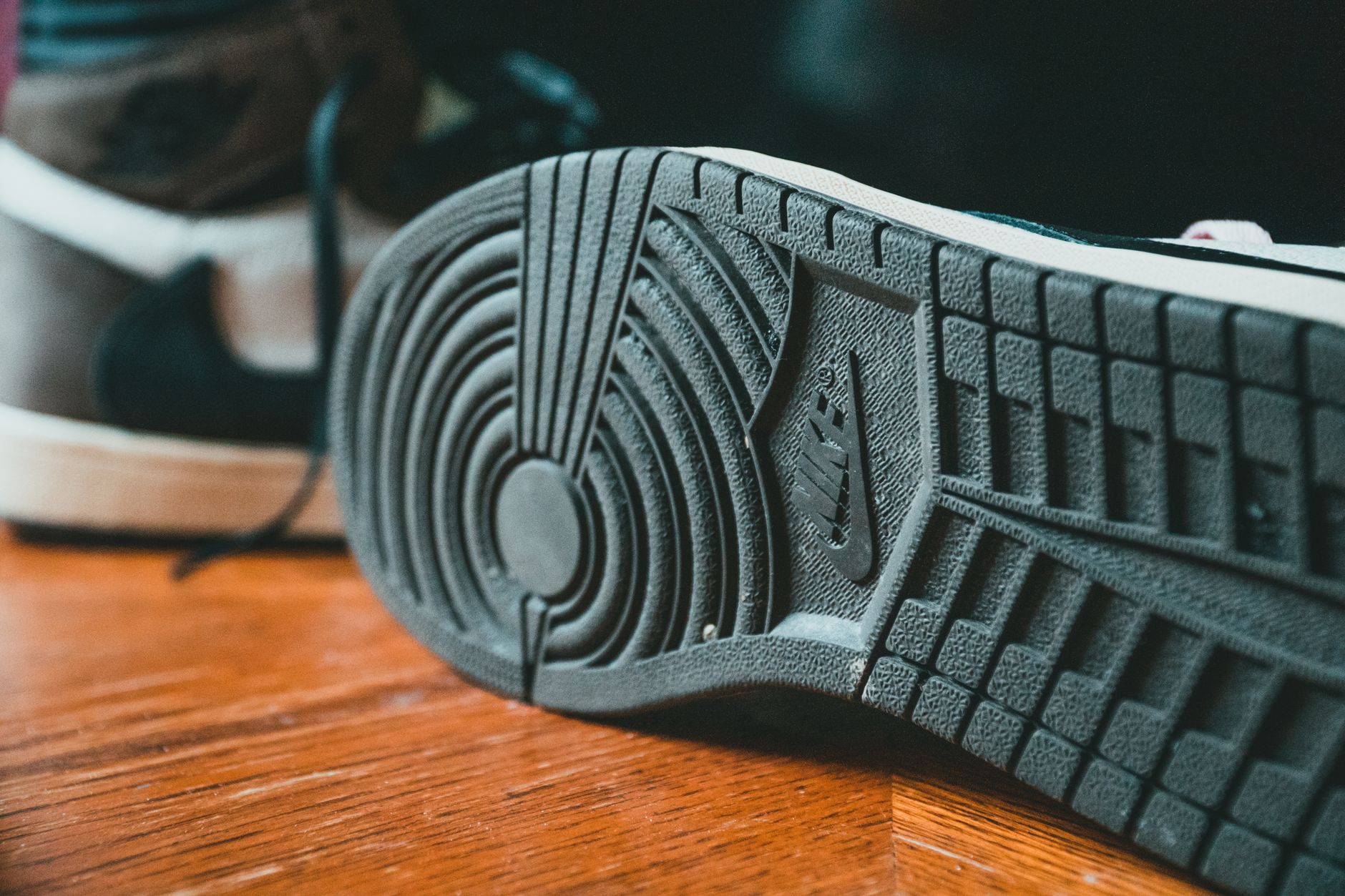
The visual signature of this trend is a sole that reads as architectural from a side profile. Where traditional dress shoes or chunky sneakers present a relatively flat or abruptly stacked silhouette, the kayak-rocker-influenced sole has a clean, continuous sweep – low at the heel, rising gradually, then tapering through the forefoot without a blunt edge. Paired with structured uppers in leather or technical canvas, the effect is something between a performance shoe and an industrial object. Muted colorways – raw rubber tones, translucent outsoles, bone white – keep the focus on the line itself.
The trend sits comfortably alongside other sport-to-street crossovers happening in footwear right now, but it has a quieter quality to it. It doesn’t announce itself with logo branding or oversized silhouettes. The appeal is in knowing the reference: understanding that the curve under your foot shares DNA with vessels designed to move through water with minimal resistance. That insider quality is exactly what makes it attractive to a particular kind of fashion consumer – one who prefers engineering credibility over visible status markers.
Structured detailing borrowed from unexpected functional sources has been a consistent thread in recent fashion cycles. The same instinct that drew designers toward grip construction techniques from sporting equipment is operating here. When the source material is obscure enough to require explanation but logical enough to make immediate sense once explained, it occupies a precise sweet spot between novelty and credibility.
The Tension This Trend Has to Navigate
The honest complication with kayak-rocker sole geometry in fashion footwear is that the functional benefit only fully activates in specific conditions. Low-rocker profiles excel at forward motion on consistent, flat terrain – exactly what they were designed for. On uneven surfaces, cobblestones, or during lateral movement, the continuous arc can actually reduce stability rather than improve it. Footwear brands working with this geometry face a real design question: how much of the hull logic to preserve for aesthetic integrity versus how much to modify for real-world wearability. Some collections solve this with a hybrid approach, maintaining the visual rocker line while building in concealed flex zones. Others commit fully to the rigid hull construction and simply accept the tradeoff. The ones who commit fully tend to produce the more interesting shoes – and the ones that require the most specific kind of wearer.