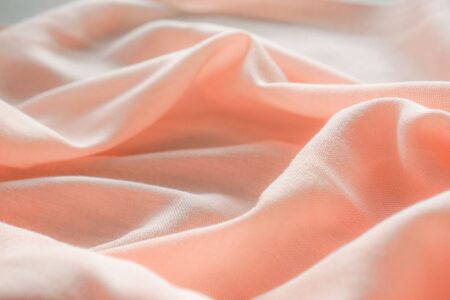


Fashion’s biggest secret isn’t hiding in the ateliers of Paris or Milan. It’s stacked in warehouses across the globe, where millions of yards of deadstock fabric wait for a second chance at life. These forgotten textiles – excess inventory from luxury mills, canceled orders from major brands, and samples that never made it to production – are revolutionizing how independent designers create their collections.
The deadstock fabric market has exploded into a billion-dollar industry, transforming waste into treasure for designers who can’t afford the minimum orders that luxury mills typically require. What started as a sustainability movement has become a creative goldmine, allowing emerging designers to access materials previously reserved for fashion’s elite.

The Hidden World of Textile Waste
Fashion produces approximately 92 million tons of textile waste annually, with deadstock fabric representing a significant portion of this staggering figure. These materials accumulate when fashion brands overestimate demand, when mills produce excess yardage for safety margins, or when luxury houses cancel orders mid-production.
Designer Gabriela Hearst has been vocal about the industry’s waste problem, incorporating deadstock materials into her collections since launching her brand. Her approach demonstrates how high-end designers can maintain luxury standards while using surplus materials. Similarly, brands like Ganni and Reformation have built their reputations partly on their commitment to using deadstock fabrics.
The materials available through deadstock markets often surprise newcomers to the industry. Designers report finding everything from Hermès silk samples to Chanel tweeds, Italian wool suiting that never made it to production, and Japanese denim with unique weaving techniques. These premium materials become accessible at a fraction of their original wholesale cost.
Digital Platforms Democratizing Access
Online platforms have transformed how designers discover and purchase deadstock fabrics. Websites like The Fabric Store, Mood Fabrics, and specialized deadstock dealers now offer global shipping, detailed material specifications, and even virtual consultations. This digital shift accelerated during the pandemic when physical fabric districts became inaccessible.
Instagram has become an unexpected marketplace for deadstock dealers. Accounts with names like “FabricStash” and “DeadstockDepot” post daily finds, creating a treasure hunt atmosphere that designers eagerly follow. These platforms often sell out within hours of posting, creating urgency that drives quick decision-making.
The democratization extends beyond just purchasing. Video tutorials on platforms like YouTube teach designers how to identify quality deadstock, understand fabric compositions, and adapt patterns to work with limited yardage. This educational aspect has lowered barriers for designers who previously lacked connections to traditional fabric sources.

Creative Constraints Fuel Innovation
Working with deadstock fabric forces designers to embrace constraints that often lead to their most innovative work. Unlike traditional fabric sourcing, where designers can order exactly what they need, deadstock requires adapting designs to available materials and quantities.
Designer Christopher John Rogers, known for his vibrant gowns worn by celebrities like Lizzo and Issa Rae, frequently incorporates deadstock materials into his collections. He’s described the process as “reverse engineering” – starting with the fabric and building the design around its unique properties and limitations.
The limited quantities typical of deadstock – often just 5 to 50 yards of any particular fabric – naturally create exclusivity. This scarcity appeals to consumers increasingly interested in unique pieces rather than mass-produced items. Designers report that highlighting a garment’s deadstock origins often becomes a selling point, with customers appreciating both the sustainability story and the guarantee that few others will own the same piece.
Pattern-making for deadstock requires different skills than traditional design. Designers learn to maximize every inch of fabric, often creating zero-waste patterns or combining multiple complementary deadstock materials within a single garment. These techniques, born from necessity, have influenced broader design education and pushed the industry toward more sustainable practices.
Economic Impact on Independent Labels
The financial benefits of deadstock fabric extend far beyond material costs. Traditional luxury fabric mills often require minimum orders of 100 yards or more, with some demanding exclusive relationships or significant upfront payments. For independent designers launching their first collections, these requirements prove insurmountable.
Deadstock eliminates these barriers. Designers can purchase high-quality materials in small quantities, allowing them to test market response without massive inventory investments. This accessibility has contributed to the explosion of independent fashion brands over the past decade.
The cost savings are substantial. Designers report paying 30-70% less for deadstock materials compared to ordering new fabrics of similar quality. These savings allow independent labels to invest in better construction techniques, ethical manufacturing partnerships, or marketing efforts that help establish their brands.

Future of Sustainable Fashion
Major fashion weeks now regularly feature collections built primarily from deadstock materials. London Fashion Week has been particularly supportive of sustainable practices, with emerging designers using deadstock as a pathway to showcase alongside established names. The trend has caught attention from fashion media, with publications increasingly covering the stories behind these materials.
Technology is enhancing the deadstock market’s efficiency. AI-powered platforms now help match designers with suitable materials based on their aesthetic preferences and technical requirements. Some platforms offer virtual reality tools that let designers see how fabrics drape and move before purchasing, reducing waste from unsuitable selections.
The success of deadstock-based collections is influencing larger brands to reconsider their own waste streams. Some luxury houses now partner with deadstock dealers to ensure their excess materials reach creative hands rather than landfills. This shift represents a fundamental change in how the industry views waste – from disposal problem to creative opportunity.
As conscious consumerism continues growing, designers working with deadstock materials position themselves at the forefront of fashion’s sustainable future. The movement that began as a practical solution for cash-strapped independents has evolved into a creative force reshaping how fashion thinks about materials, waste, and innovation. Just as crochet cardigans became unexpected power pieces, deadstock fabrics are proving that sustainability and luxury can coexist beautifully.
The deadstock revolution shows no signs of slowing. As more designers embrace these materials and consumers demand transparency about fashion’s environmental impact, working with surplus fabrics is becoming not just an ethical choice but a competitive advantage in an increasingly conscious marketplace.
Frequently Asked Questions
What is deadstock fabric?
Deadstock fabric is excess inventory from mills, canceled orders, or unused samples that would otherwise become waste.
How much can designers save using deadstock?
Designers typically pay 30-70% less for deadstock materials compared to ordering new fabrics of similar quality.