


The beauty routines of remote workers have shifted dramatically since video calls became the primary form of professional interaction. Face-to-camera meetings expose every fine line and dark circle, creating demand for quick anti-aging fixes that don’t require expensive salon visits or dermatologist appointments.
The Science Behind Microneedling at Home
Dermal rollers work by creating thousands of microscopic punctures in the skin’s surface, triggering the body’s natural healing response. This process, called microneedling, stimulates collagen and elastin production – the same proteins that expensive injectable treatments aim to boost. The tiny wounds heal within hours, but the regenerative process continues for weeks.
Professional microneedling treatments cost between $200-700 per session, making dermal rollers an attractive alternative at $15-50 per device. The at-home versions use shorter needles, typically 0.25mm to 1.0mm, compared to the 1.5mm to 3.0mm needles dermatologists use. While less aggressive, these shorter needles still produce measurable results without the downtime.
Remote workers gravitate toward 0.5mm rollers, which provide noticeable skin improvement without the redness that might show up on video calls the next day. The treatment takes 10-15 minutes and fits easily into morning or evening routines. Users report smoother texture, reduced appearance of fine lines, and improved product absorption.
The appeal extends beyond convenience to control. Unlike Botox injections, which last 3-4 months and require scheduling around work commitments, dermal rolling allows workers to maintain their routine on their own timeline. The gradual improvement also appears more natural on camera than the sometimes-frozen look that injectable treatments can create.
Video Call Vanity Drives Beauty Innovation
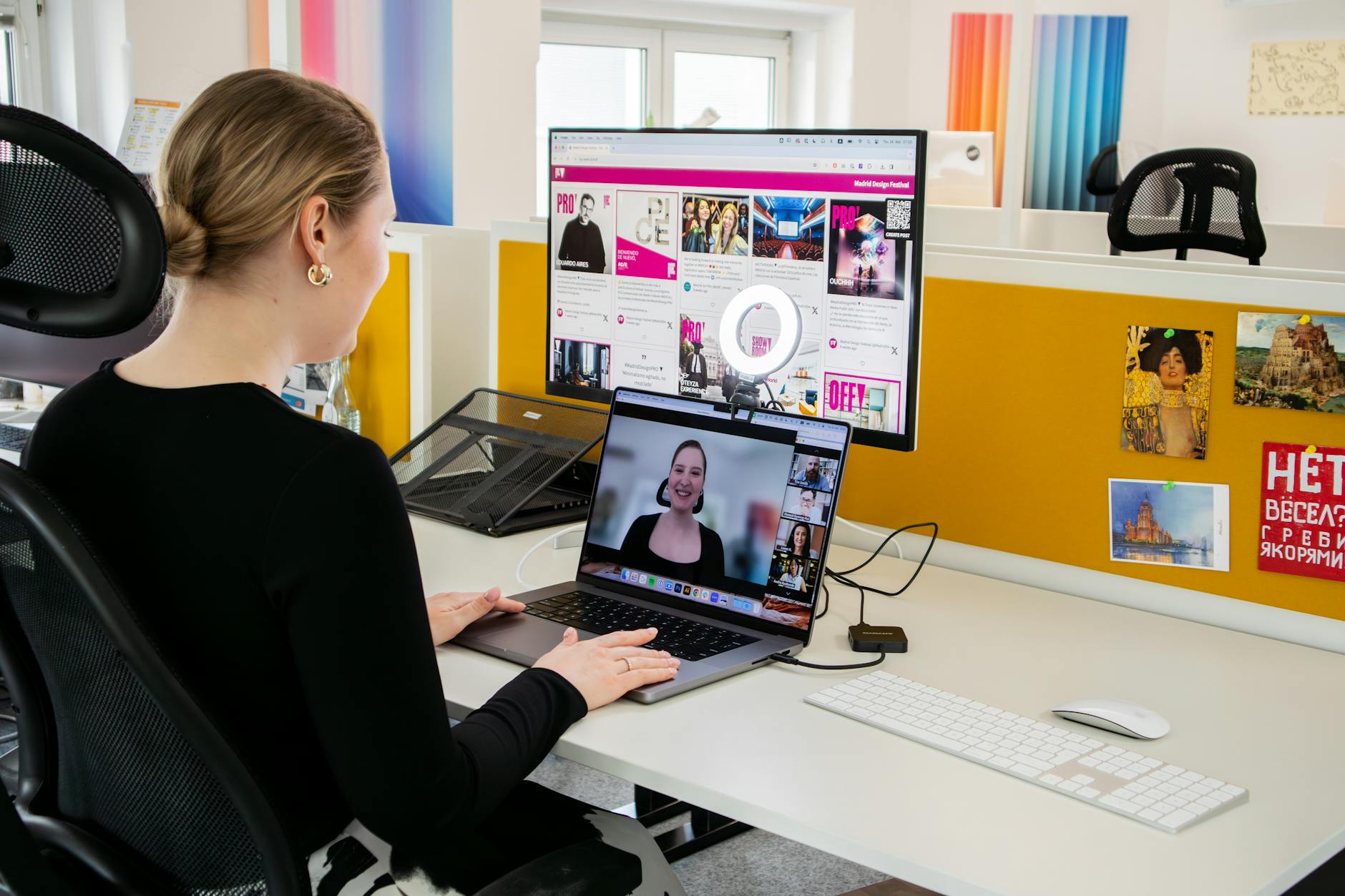
High-definition cameras expose every skin imperfection, creating anxiety that traditional makeup can’t fully address. The ring lights and laptop cameras that illuminate home offices cast harsh shadows and highlight texture issues that might go unnoticed in person. This constant scrutiny has pushed workers toward treatments that actually improve skin rather than just covering problems.
The timing aligns perfectly with supply chain disruptions that made professional beauty appointments harder to book and more expensive. Dermatologist wait times stretched to months in many areas, while medical spas limited capacity. Workers who previously relied on professional treatments found themselves searching for alternatives that could deliver similar results at home.
Social media algorithms picked up on this demand, flooding feeds with before-and-after photos from dermal roller users. The visual evidence proved compelling – users showed genuine improvement in acne scarring, fine lines, and overall skin texture. Unlike filtered selfies or sponsored posts, these images often came from regular people documenting their journey over weeks or months.
The psychological impact of looking better on camera extends beyond vanity. Studies show that people who feel confident about their appearance perform better in video meetings, speak up more often, and project more authority. For remote workers competing for promotions or client attention through a screen, improved skin can translate to career advantages.

The routine itself has become almost meditative for some users. Rolling in gentle patterns across the face provides a few minutes of focused self-care that many remote workers struggle to find time for otherwise. The ritual creates a clear transition between work and personal time, something that traditional office commutes once provided.
Safety Concerns and Realistic Expectations
Dermatologists warn that improper technique can cause more harm than good. Pressing too hard, using dirty tools, or rolling over active acne can lead to scarring or infection. The most common mistake involves using the same roller for too long – the needles dull after 6-10 uses, becoming less effective and potentially more damaging to skin.
Quality varies dramatically across brands, with some cheap devices using poorly manufactured needles that can break off in skin or create uneven punctures. Medical-grade titanium or surgical steel needles cost more but maintain sharpness longer and reduce infection risk. The false economy of buying cheaper rollers often leads to disappointing results that turn users away from the treatment entirely.