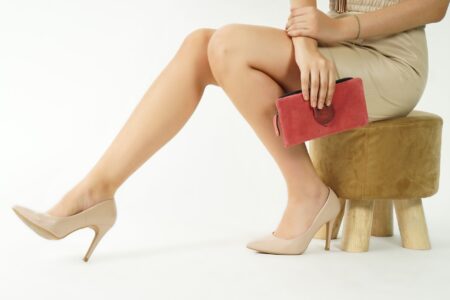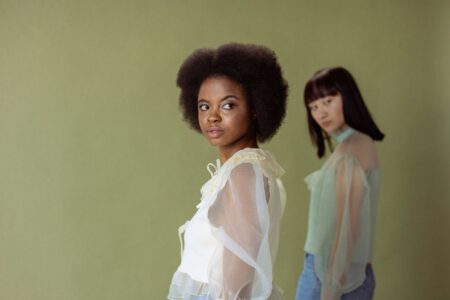


The pandemic transformed many aspects of daily life, but perhaps nowhere is this shift more visible than on our feet. High-end sneaker culture, once dominated by streetwear enthusiasts and basketball courts, underwent a radical transformation when millions of professionals suddenly found themselves working from home. What emerged wasn’t just a change in buying habits-it was a complete reimagining of what luxury footwear means in a world where comfort meets video calls.
The numbers tell a striking story. Luxury sneaker sales jumped 42% during 2020 and 2021, with brands like Golden Goose, Balenciaga, and Off-White reporting record growth in their premium casual lines. Meanwhile, traditional dress shoe sales plummeted by nearly 60%. This wasn’t just a temporary pandemic blip-it was the beginning of a permanent shift in how we think about professional footwear.
The Rise of the Zoom-Ready Luxury Sneaker
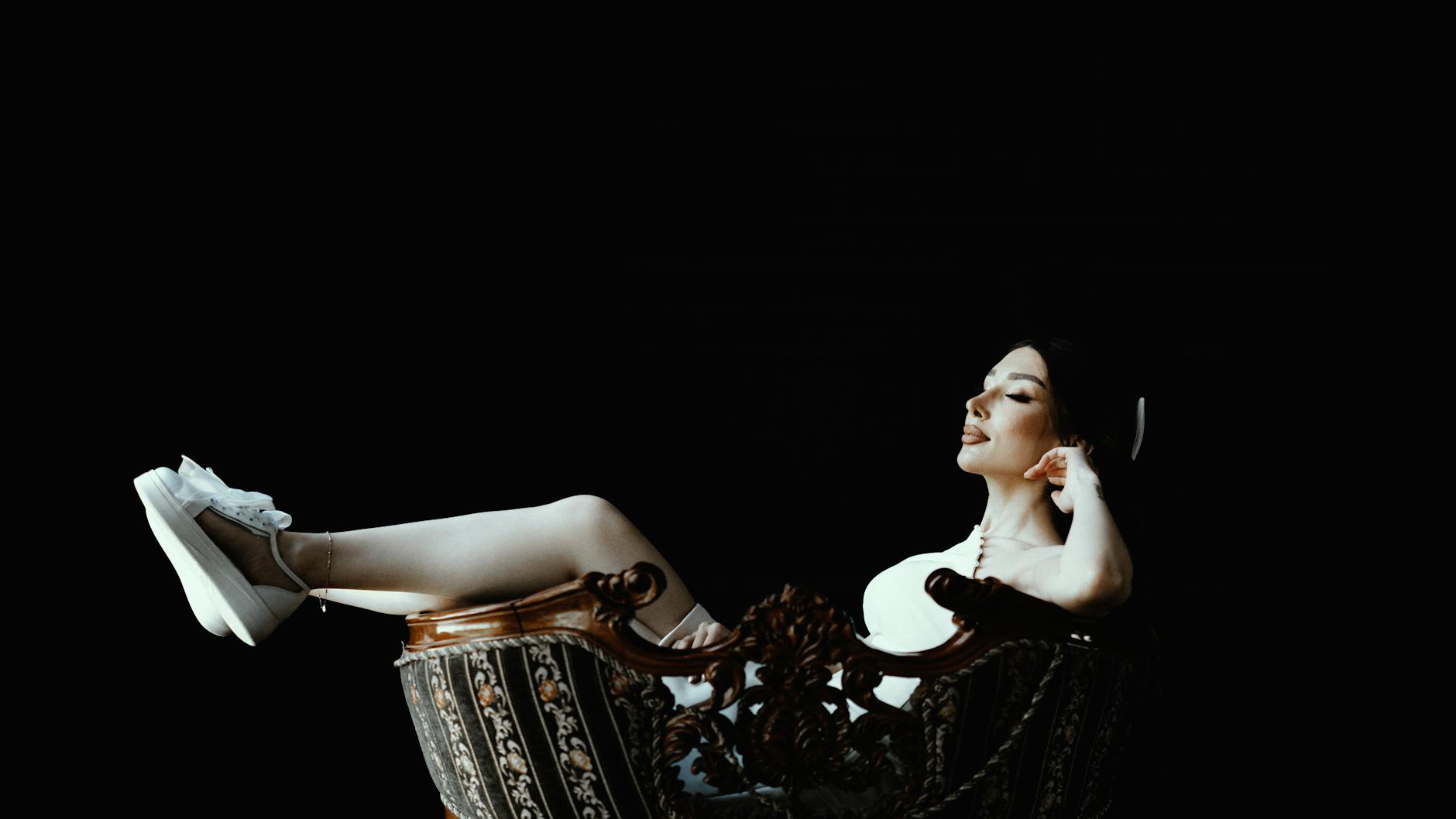
Remote work created an entirely new category of luxury sneaker: the video-call ready shoe. Brands quickly recognized that professionals needed footwear that looked polished from ankle up while delivering all-day comfort below the desk line. This led to innovations in design that prioritized visual appeal in the narrow frame of a webcam.
Brands like Common Projects and Veja responded by creating “camera-ready” colorways-clean, minimalist designs in muted tones that photograph well on video calls. The iconic white leather sneaker became the new dress shoe, with luxury versions commanding prices of $400 to $800. Companies began marketing specific angles and lighting conditions where their shoes looked most professional on camera.
The technical specifications changed too. Cushioning technology typically reserved for athletic performance found its way into fashion-forward designs. Brands incorporated memory foam, arch support, and breathable materials into styles that could seamlessly transition from a morning video conference to an afternoon grocery run. The result was footwear that functioned more like high-end athletic shoes but maintained the aesthetic codes of luxury fashion.
This shift also democratized sneaker culture in unexpected ways. Professionals who had never considered themselves “sneakerheads” suddenly found themselves researching drop dates and limited releases. The exclusivity that once defined streetwear sneakers became accessible to a broader demographic of remote workers willing to invest in premium comfort.
Status Symbols in Slippers: The Comfort Revolution
The work-from-home lifestyle didn’t just change what people wore to video calls-it transformed the entire concept of professional footwear. Luxury slippers and house shoes emerged as legitimate status symbols, with brands like The Row, Bottega Veneta, and Hermès creating $500+ indoor footwear that rivaled outdoor shoes in craftsmanship and price.
This represented a fundamental shift in fashion psychology. Previously, expensive shoes were about public display and durability for outdoor wear. Now, the most expensive footwear in many wardrobes never left the house. Cashmere-lined slippers and leather house shoes became the ultimate luxury purchases-items that provided personal comfort rather than social signaling.
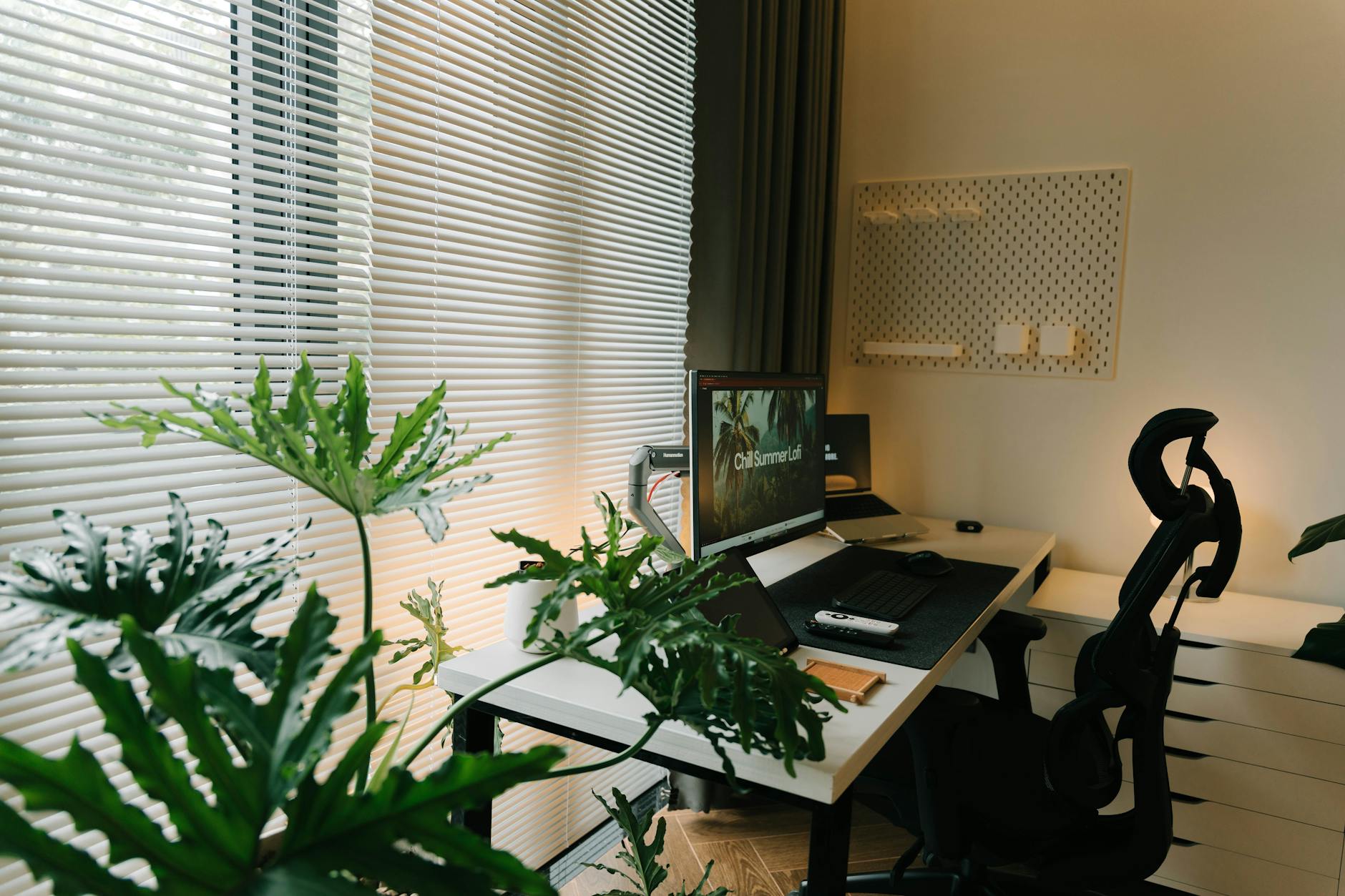
The influence extended beyond pure comfort items. Traditional sneaker brands began incorporating slipper-like elements into their designs: slip-on constructions, pillow-soft interiors, and materials typically associated with loungewear. Nike’s premium lifestyle lines started featuring fleece linings and memory foam that prioritized comfort over performance. Adidas introduced limited-edition collaborations that looked more like high-end house shoes than athletic gear.
This comfort revolution also changed the relationship between brands and consumers. Companies began marketing based on how shoes felt during long work-from-home days rather than how they looked at social events. Product descriptions emphasized ergonomic features, breathable materials, and all-day wearability. The language of athletic performance merged with the vocabulary of workplace wellness.
Digital Drops and Virtual Queues: How Online Shopping Transformed Sneaker Releases
Remote work didn’t just change what sneakers people bought-it completely transformed how they bought them. With more time spent online and fewer opportunities for in-person shopping, the entire sneaker release ecosystem moved digital. This shift accelerated trends that were already emerging but weren’t yet mainstream.
Brands that had relied on physical store drops and camping-out culture suddenly had to create engaging digital experiences. Nike’s SNKRS app became the model, but luxury fashion houses had to develop their own approaches to online exclusivity. Bottega Veneta launched digital-first releases, while Balenciaga created virtual waiting rooms that mimicked the experience of lining up outside physical stores.
The democratization of access had unexpected consequences. Geographic location became less important for accessing limited releases, but digital literacy and internet speed became new barriers. Suburban professionals with fast home internet connections could now compete with urban sneaker enthusiasts who previously had advantages in accessing physical drops.
This shift also changed the social media landscape around sneakers. Instagram and TikTok became primary venues for showing off new purchases, but the content evolved. Instead of street-style photography, sneaker content focused on unboxing videos, home photography setups, and lifestyle integration. The aesthetic moved from urban environments to carefully curated home offices and living spaces.
Virtual try-on technology and augmented reality features became essential tools for online sneaker shopping. Brands invested heavily in digital experiences that could replicate the tactile aspects of in-store shopping. Some luxury retailers created appointment-based virtual shopping sessions where personal stylists could guide customers through video calls.
The New Sneaker Hierarchy: From Streets to Sheets
The traditional hierarchy of sneaker culture got completely inverted during the remote work era. Previously, the most coveted shoes were designed for visibility-bold colorways, eye-catching collaborations, and designs that made statements in public spaces. Remote work flipped this priority system entirely.
Suddenly, the most desirable sneakers were those that looked sophisticated enough for video calls while being comfortable enough for all-day wear. Neutral colorways became more valuable than limited-edition drops. Brands like Maison Margiela and Rick Owens, previously known for avant-garde designs, found success with their most minimalist sneaker offerings.
The resale market reflected this shift dramatically. Shoes that had been considered “boring” by traditional sneaker standards-white leather minimalist designs, muted earth tones, and comfort-focused silhouettes-began commanding premium prices. Meanwhile, some previously hyped releases with bold graphics and street-focused aesthetics lost value in secondary markets.
This transformation also influenced how brands approach collaborations and limited releases. Instead of partnering with streetwear brands or hip-hop artists, luxury sneaker companies began collaborating with wellness brands, ergonomic furniture companies, and even meditation apps. The messaging shifted from rebellion and street credibility to wellness, productivity, and sustainable comfort.
The change wasn’t limited to purchasing decisions-it influenced how people built their entire sneaker collections. The concept of “rotation” evolved from having different shoes for different social occasions to having different shoes for different work-from-home activities: video call shoes, exercise break shoes, dog walking shoes, and pure comfort shoes for long working sessions.
Looking Forward: The Permanent Shift
As hybrid work models become permanent fixtures in many industries, the changes to sneaker culture appear lasting rather than temporary. Even as offices reopen, many professionals maintain the comfort-first approach they developed during remote work periods. This has created a sustained market for luxury sneakers that prioritize wearability over pure fashion statement.
The influence extends beyond individual purchasing decisions to broader fashion trends. The same comfort-focused approach that transformed sneaker culture is now influencing other categories of professional wear. Luxury loungewear, high-end athleisure, and wellness-focused fashion accessories all benefit from the precedent set by the sneaker industry’s successful pivot to comfort-luxury positioning.
Major fashion houses continue investing in this space, recognizing that the work-from-home lifestyle created a permanent market shift rather than a temporary pandemic response. The integration of comfort technology with luxury aesthetics, pioneered in the sneaker space, is now influencing everything from handbags to outerwear design approaches.
The sneaker industry’s adaptation to remote work culture demonstrates how quickly fashion can evolve when consumer needs fundamentally change. What began as a response to unprecedented circumstances has become a blueprint for how luxury brands can maintain relevance while adapting to new lifestyle requirements. The feet-first revolution in work-from-home fashion shows no signs of slowing down.
Frequently Asked Questions
How did remote work change sneaker buying habits?
Remote work shifted focus from bold statement pieces to comfortable, video call appropriate designs, with luxury comfort sneakers seeing 42% growth during 2020-2021.
What makes a sneaker “video call ready”?
Video call ready sneakers feature clean, minimalist designs in muted tones that photograph well on camera while prioritizing all-day comfort and support.