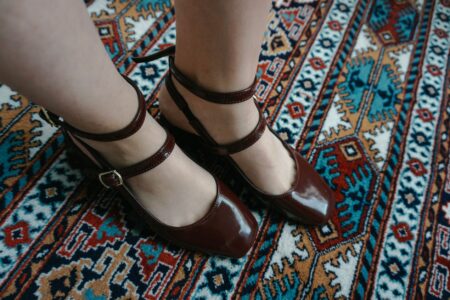


Tech executives arriving at San Francisco’s most exclusive events are making a surprising fashion statement: vintage Hermès scarves draped over hoodies, thrifted Chanel squares tucked into denim jackets, and rare Pucci prints worn as headbands with athleisure. What started as isolated styling experiments among a few fashion-forward founders has evolved into Silicon Valley’s most coveted new status symbol.
The trend emerged during the pandemic when remote work blurred traditional dress codes and sustainability conversations reached fever pitch in tech circles. While Wall Street still measures success in Patek Philippe watches and Italian leather shoes, Silicon Valley’s power players are increasingly signaling their status through carefully curated vintage designer accessories that tell stories of both luxury and environmental consciousness.
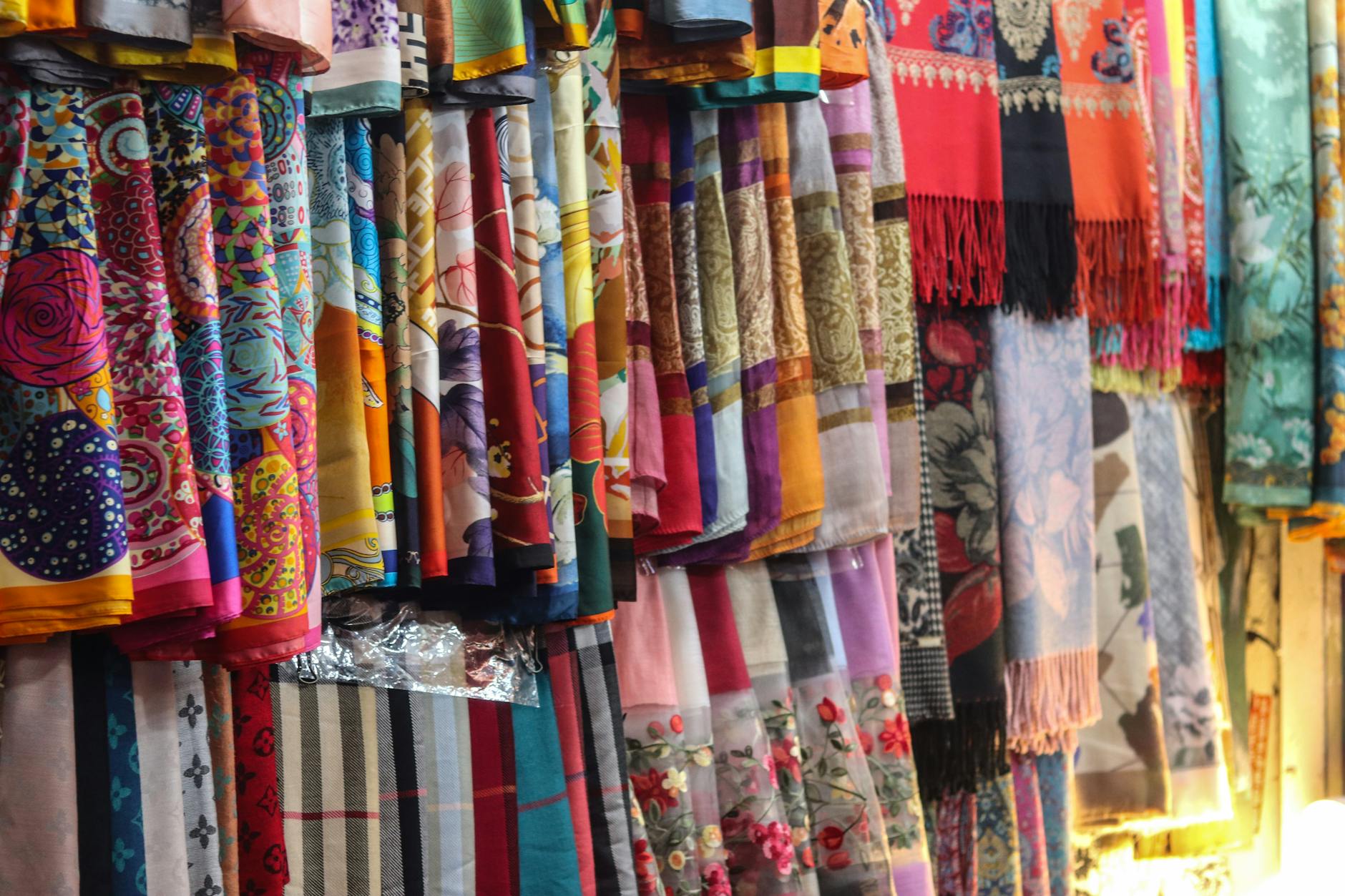
The Psychology Behind Silicon Valley’s Scarf Obsession
The appeal goes beyond simple fashion experimentation. Tech leaders are drawn to thrifted designer scarves because they represent the perfect intersection of exclusivity and accessibility that defines Silicon Valley culture. Unlike new luxury goods that anyone with money can purchase, finding a pristine 1980s Hermès scarf at a Palo Alto consignment shop requires patience, knowledge, and luck – qualities highly valued in startup culture.
“It’s treasure hunting meets status signaling,” explains Maria Rodriguez, owner of Luxury Resale SF, which has seen a 300% increase in scarf sales to tech clients over the past two years. “These executives appreciate the story behind each piece. They’ll spend an hour learning about the original designer, the year it was made, the rarity of the print.”
The scarves also solve a uniquely Silicon Valley problem: how to display wealth and taste without appearing ostentatious in a culture that values authenticity and social responsibility. A thrifted vintage scarf worth several thousand dollars sends multiple messages simultaneously – appreciation for craftsmanship, environmental consciousness, and insider knowledge of luxury goods.
The styling approach differs dramatically from traditional luxury fashion. Tech leaders pair their vintage Gucci scarves with Allbirds sneakers, wear Hermès silk squares over Patagonia vests, and use rare Saint Laurent prints as casual hair accessories. This high-low mixing creates a distinctly West Coast aesthetic that acknowledges luxury while maintaining the casual approachability that tech culture demands.
From Boardrooms to Street Style Documentation
Social media has amplified the trend’s visibility and desirability. Instagram accounts dedicated to documenting Silicon Valley street style regularly feature executives whose outfits center around statement scarves. The hashtag #TechScarfStyle has gained traction among fashion enthusiasts tracking how industry leaders incorporate vintage luxury into their wardrobes.
The trend has created an entire ecosystem of specialty resellers, authentication services, and styling consultants catering specifically to tech professionals. Vintage luxury boutiques in Menlo Park and Palo Alto report that scarves now account for 40% of their sales, with clients often purchasing multiple pieces at once to build curated collections.
Several high-profile tech events have become informal showcases for scarf styling. At the recent TechCrunch Disrupt conference, attendees noted an unusually high concentration of vintage designer scarves worn in creative ways – as belt alternatives, laptop bag accessories, and even makeshift face coverings that doubled as fashion statements.
The influence extends beyond individual styling choices. Some tech companies have embraced the aesthetic in their corporate culture, with employees incorporating vintage scarves into their professional wardrobes. This shift parallels broader changes in tech workplace dress codes, which have evolved to accommodate more personal expression while maintaining professional standards.

The Hunt for Rare Finds and Authentication Challenges
The scarf collecting community has developed sophisticated networks for sourcing and authenticating pieces. Private Facebook groups and Discord channels connect collectors who share information about upcoming estate sales, consignment shop arrivals, and authentication tips. The knowledge required to identify authentic vintage designer scarves has become a form of cultural capital within tech circles.
Authentication presents ongoing challenges as the market has attracted counterfeiters targeting the tech demographic’s willingness to pay premium prices for rare pieces. Professional authentication services specifically for scarves have emerged, with some offering blockchain-based certificates of authenticity that appeal to tech professionals’ appreciation for innovative verification methods.
The most sought-after pieces include Hermès scarves from the 1960s and 1970s, rare Pucci prints from the brand’s psychedelic era, and limited-edition collaborations between luxury houses and contemporary artists. Prices for authenticated vintage scarves in excellent condition can range from several hundred to several thousand dollars, depending on rarity and designer pedigree.
Collectors have developed expertise in caring for vintage silk pieces, with some investing in specialized storage systems and climate-controlled environments to preserve their collections. This level of dedication mirrors the obsessive attention to detail that characterizes successful tech professionals in their work lives.
The Sustainable Luxury Movement
The scarf trend aligns with Silicon Valley’s growing emphasis on sustainable consumption and circular economy principles. Many tech leaders view their vintage scarf collections as investments in sustainable luxury, supporting the secondhand market rather than contributing to fast fashion waste.
This connection to sustainability has been reinforced by the fashion industry’s own shift toward circular models and deadstock fabric utilization, as detailed in recent coverage of how deadstock fabric markets are transforming independent designer collections. The principles driving that transformation – reducing waste, valuing craftsmanship, and creating unique pieces – mirror the values attracting tech professionals to vintage scarves.
Several sustainability-focused startups have emerged to serve this market, offering services like scarf rental subscriptions, authentication apps, and platforms connecting collectors with rare pieces. These businesses apply tech solutions to traditional luxury resale challenges, creating new revenue streams while supporting sustainable consumption.
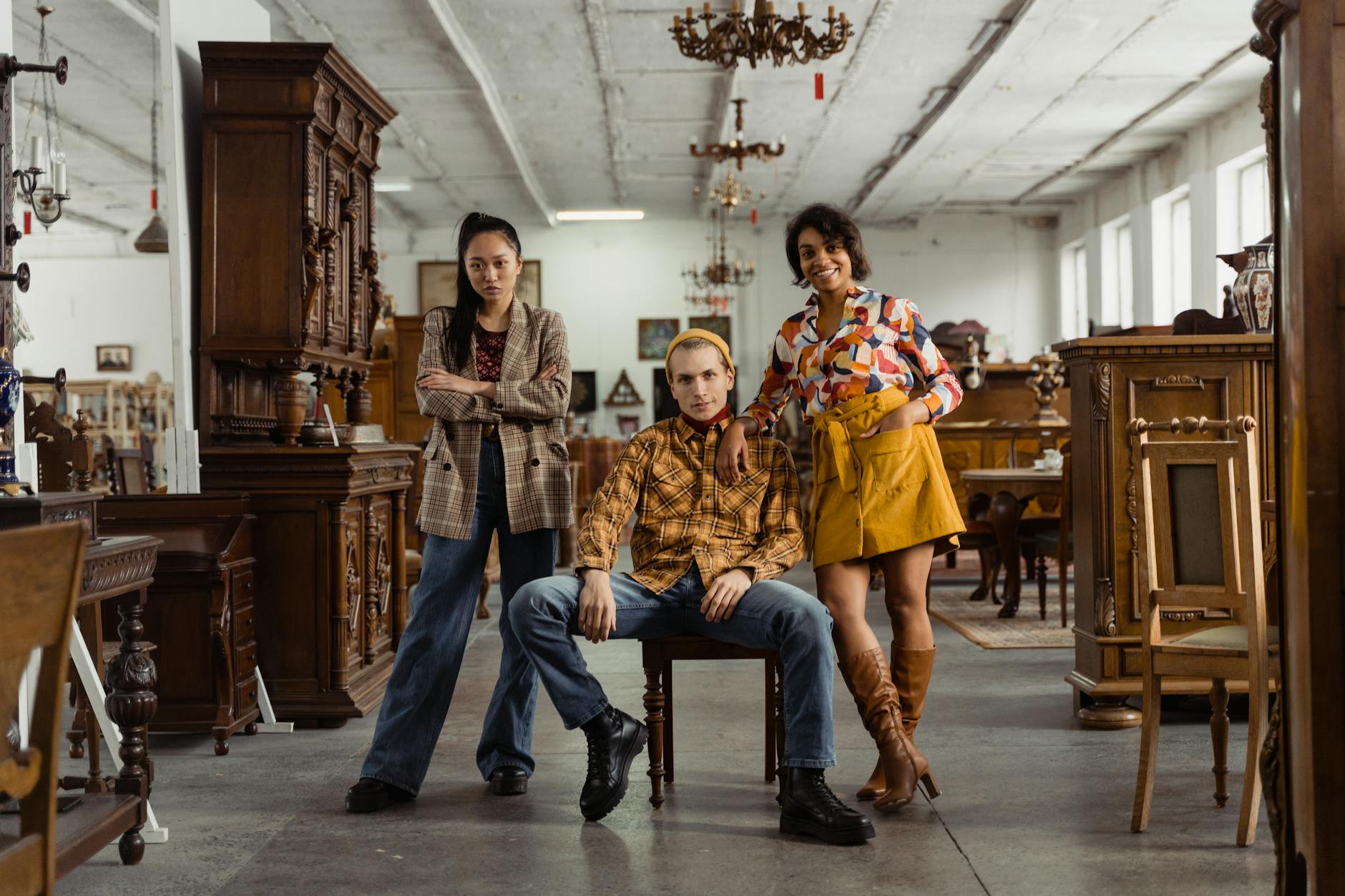
Cultural Impact and Future Implications
The scarf trend represents more than a fashion moment – it signals a broader cultural shift in how Silicon Valley expresses status and values. As the tech industry faces increased scrutiny over its environmental and social impact, many leaders are consciously choosing symbols that align with sustainability and cultural appreciation rather than conspicuous consumption.
Fashion historians note parallels to previous moments when business cultures redefined luxury signaling. Just as Wall Street’s power dressing evolved from the 1980s to today’s more subtle luxury markers, Silicon Valley’s embrace of vintage scarves may represent a new model for how successful professionals display their achievements.
The trend has begun influencing luxury fashion brands, with several houses launching vintage-inspired scarf collections and collaborating with resale platforms. Hermès reportedly increased production of certain classic scarf designs after noting their popularity in secondhand markets, though the company maintains exclusivity through limited releases.
Looking ahead, the integration of technology and vintage luxury seems likely to deepen. Augmented reality try-on apps for scarves, AI-powered authentication systems, and blockchain provenance tracking all represent potential developments that could further merge Silicon Valley’s technological expertise with its newfound appreciation for vintage fashion.
The thrifted designer scarf phenomenon reveals how Silicon Valley continues to reshape traditional markers of success, creating new forms of cultural currency that blend luxury appreciation with environmental consciousness and technological innovation. As this trend evolves, it may well establish the template for how future business cultures express status in an increasingly sustainability-conscious world.
Frequently Asked Questions
Why are tech executives choosing thrifted scarves over new luxury goods?
Thrifted designer scarves combine exclusivity, sustainability, and storytelling – values highly prized in Silicon Valley culture while avoiding ostentatious displays of wealth.
What makes a vintage designer scarf valuable in Silicon Valley?
Rarity, authentication, designer pedigree, and condition determine value, with 1960s-70s Hermès and rare Pucci prints being most sought-after pieces.