

The glass skin phenomenon that took Korea by storm has finally cracked the code for Western skin types. After years of adaptation and ingredient modifications, beauty labs across the globe have developed formulations that deliver that coveted mirror-like finish on complexions that previously struggled with traditional K-beauty routines.
The breakthrough came when cosmetic chemists realized Western skin’s higher sebum production and different pH levels required completely reimagined product textures and active concentrations. What works for naturally thinner, less oily Korean skin often left Western complexions looking greasy or experiencing breakouts despite following the multi-step routines religiously.
The Science Behind Cross-Cultural Skin Adaptation
Research from leading cosmetic laboratories reveals that Western and East Asian skin types differ significantly in structure and behavior. Western skin typically produces 30% more sebum, has a higher natural pH, and shows different responses to fermented ingredients – the cornerstone of traditional Korean skincare.
The adapted glass skin formulations now incorporate oil-absorbing silicones and lighter molecular weights in essences and serums. Brands like The Ordinary, Paula’s Choice, and Drunk Elephant have released “Glass Skin” collections specifically formulated with these differences in mind. The key innovation lies in layerable products that provide intense hydration without the heavy, sticky feeling that plagued earlier attempts.
Niacinamide concentrations have been adjusted from the typical 2-5% found in K-beauty to 8-12% for Western formulations, helping control excess oil while maintaining the dewy finish. Hyaluronic acid molecules have been varied in size within single products, allowing for both immediate surface plumping and deeper penetration.
The Perfected Routine for Western Glass Skin
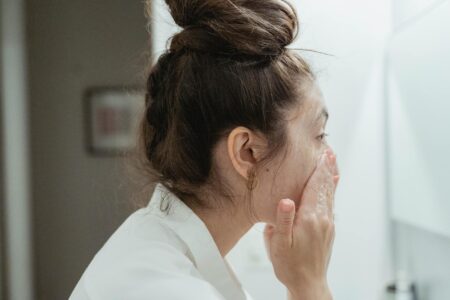
The adapted routine maintains the Korean philosophy of layering but streamlines the process from 10-12 steps to 6-7 manageable ones. Morning routines now start with a gentle foam cleanser rather than the traditional oil cleanse, as Western skin often doesn’t require the deep oil removal that works for Korean complexions.
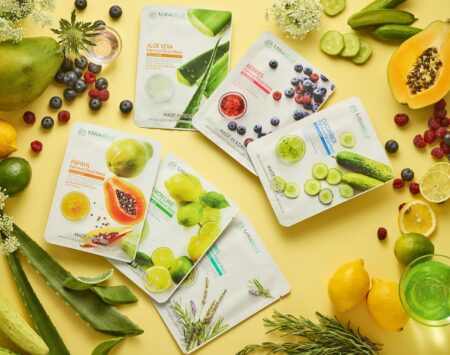
The essence step has been revolutionized with hybrid essence-toners that combine traditional fermented ingredients like galactomyces with Western-friendly additions like glycolic acid in micro-percentages. These provide the glass skin glow without overwhelming sensitive Western skin that might react poorly to high concentrations of fermented yeasts.
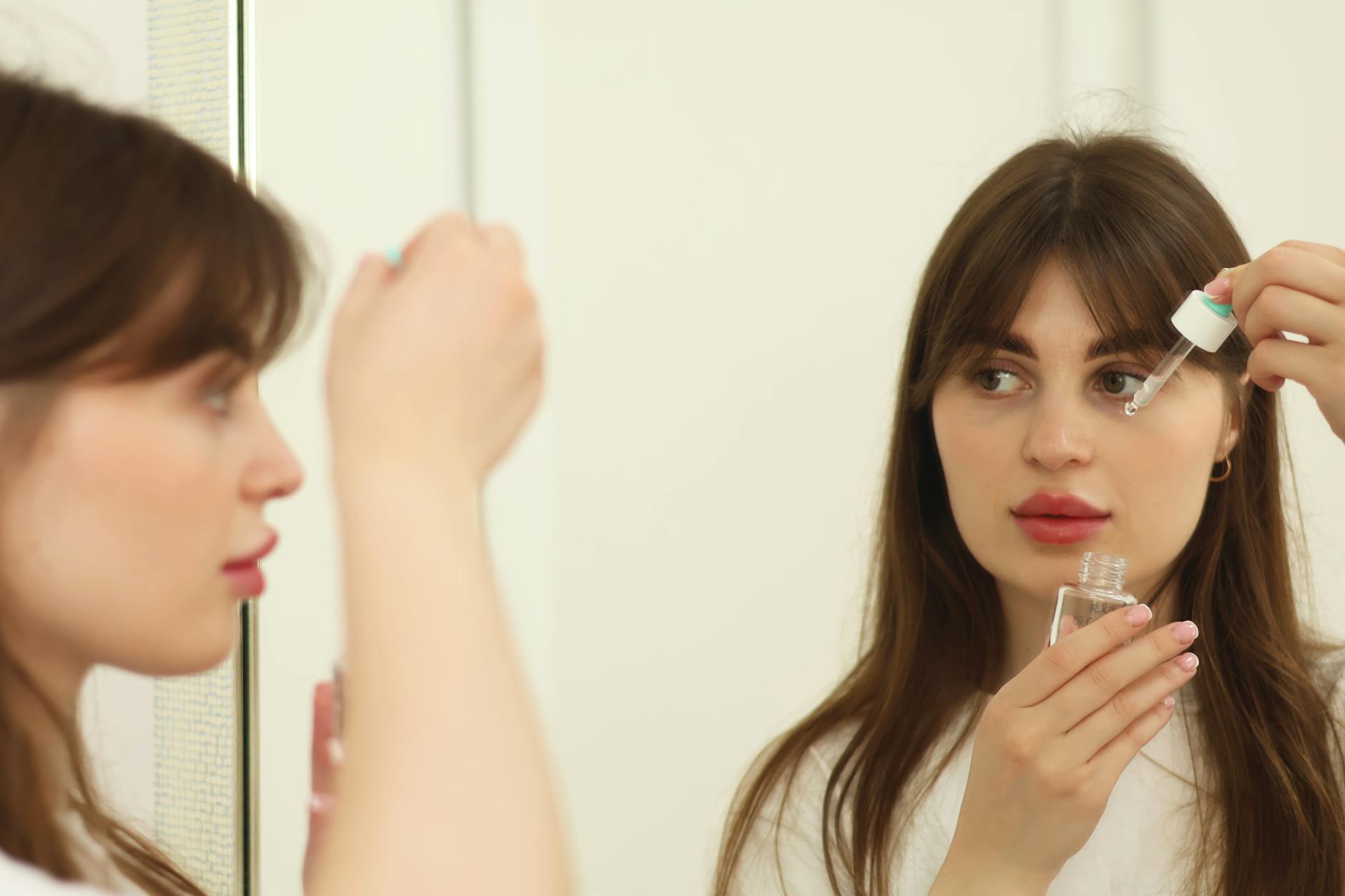
Serum layering follows a specific order: vitamin C in the morning (stabilized L-ascorbic acid rather than the gentler magnesium ascorbyl phosphate preferred in K-beauty), followed by a peptide serum, then the signature “glow serum” containing adapted concentrations of snail secretion filtrate, propolis, and ceramides.
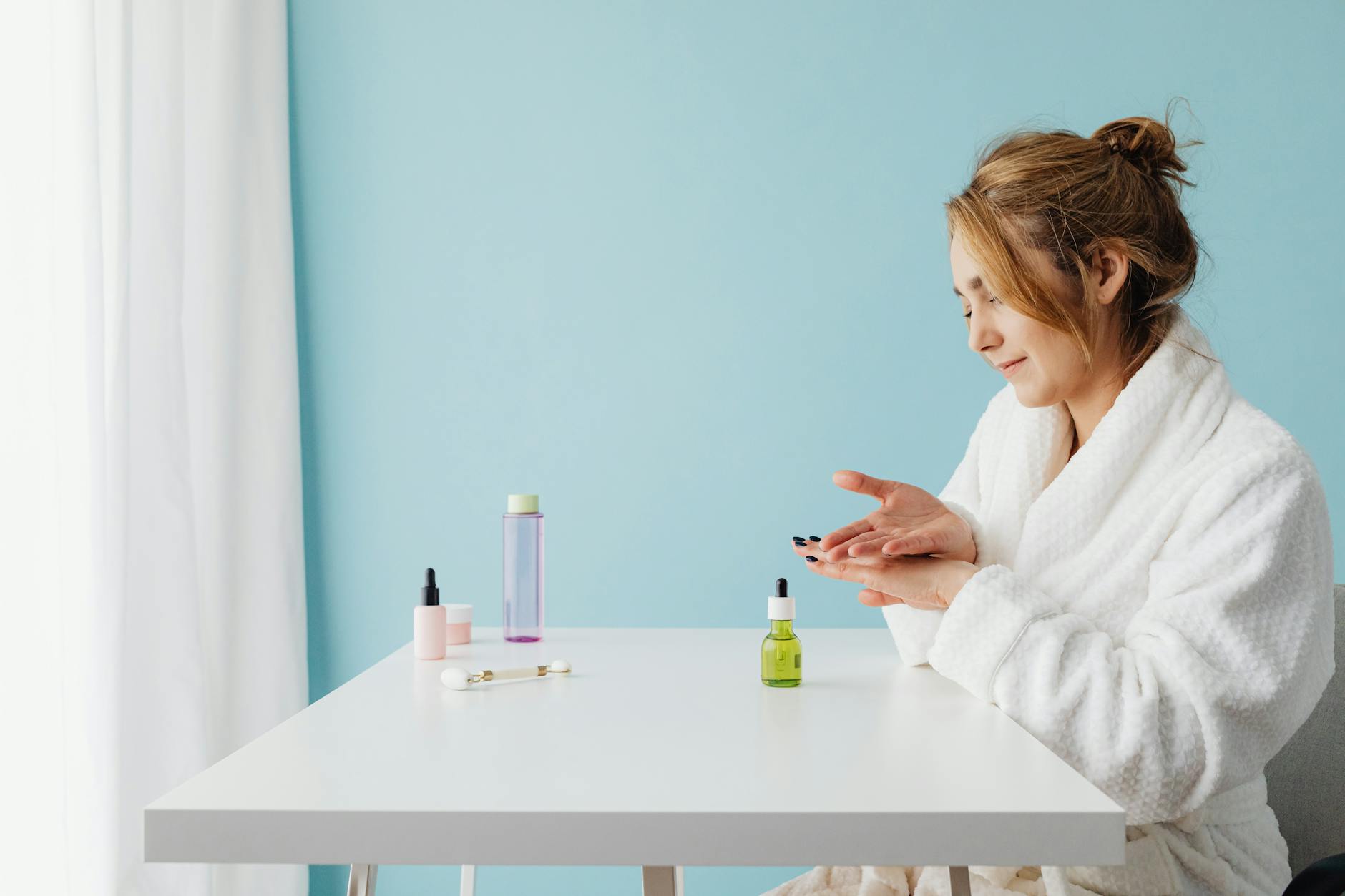
The moisturizer step incorporates breakthrough “water-lock” technology – lightweight gels that create an invisible barrier while allowing skin to breathe. These formulations prevent the afternoon oil breakthrough that previously sabotaged glass skin attempts on Western complexions.
Celebrity Adoption and Red Carpet Results
Hollywood makeup artists report unprecedented success with the adapted techniques. Celebrity facialist Georgia Louise, whose clients include Scarlett Johansson and Jennifer Aniston, notes that the reformulated products finally deliver red carpet-worthy glass skin that photographs beautifully under harsh lighting.
The adapted routine has gained traction among celebrities who previously struggled with traditional K-beauty methods. Makeup artist Mario Dedivanovic, known for his work with Kim Kardashian, has incorporated the Western-adapted glass skin prep into his signature looks, achieving that coveted “no-makeup makeup” finish that appears both natural and luminous.
Professional makeup artists now report that the adapted glass skin base requires 40% less foundation and concealer, as the skin’s natural radiance eliminates the need for heavy coverage. The technique has become particularly popular for daytime red carpet events and editorial shoots where natural beauty is emphasized.
The Future of Adapted K-Beauty
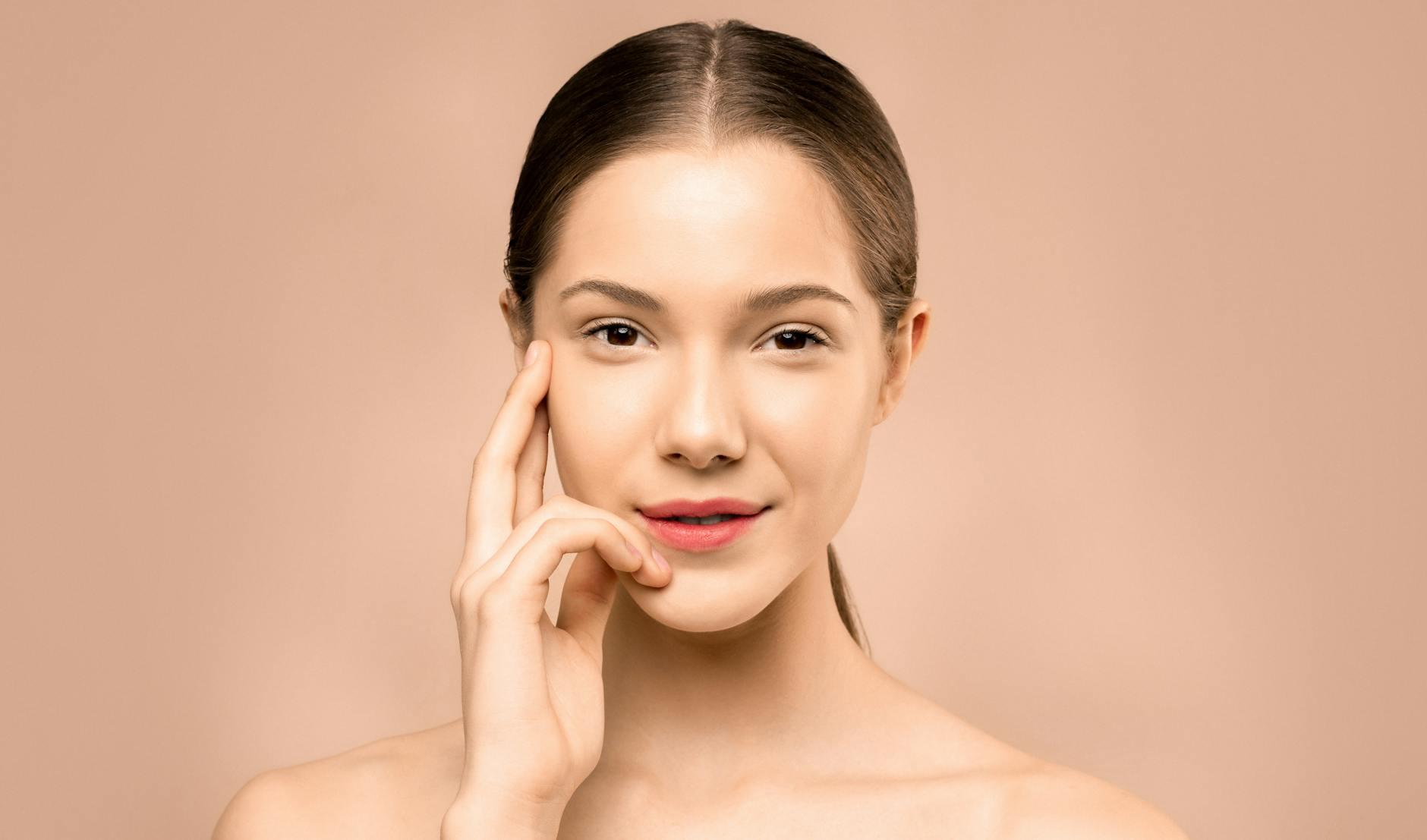
The success of adapted glass skin techniques signals a broader shift in the beauty industry toward culturally responsive formulations. Brands are investing in research that acknowledges genetic and environmental differences in skin behavior across populations, moving beyond one-size-fits-all approaches.
Upcoming launches for 2024 include temperature-activated glass skin serums that adjust their consistency based on ambient humidity – addressing the fact that Western climates often differ dramatically from the humid conditions where traditional K-beauty thrived. Additionally, brands are developing glass skin makeup products – foundations and primers that incorporate the adapted hydrating technologies for all-day luminosity.
The breakthrough represents more than just product adaptation; it demonstrates how beauty innovation thrives when cultural exchange meets scientific precision. As Western complexions finally achieve that elusive glass skin glow, the success opens doors for other K-beauty trends to receive similar cross-cultural optimization, ensuring that effective skincare transcends geographical boundaries.
Frequently Asked Questions
Why didn’t traditional Korean glass skin routines work for Western skin?
Western skin produces more oil and has different pH levels, requiring adjusted product formulations and concentrations to achieve the same glassy finish.
How many steps are in the adapted Western glass skin routine?
The adapted routine streamlines from 10-12 traditional K-beauty steps to 6-7 manageable steps specifically designed for Western skin types.