

For years, the lip wall at a beauty retailer ran on a simple hierarchy: lipstick bullets in tidy rows, with glosses and balms pushed to the edges. That order is getting scrambled. Squeezable tubes with cushiony doe-foot applicators now draw the crowds, and shoppers who once came in hunting for a signature red are leaving with a glassy, barely-there tint instead. At Sephora, the lip category has become a place to browse textures as much as shades. Lip oils sit somewhere between a gloss, a balm and a sheer stain, and they have taken the role matte lipstick held for much of the last decade: the product people reach for without thinking.
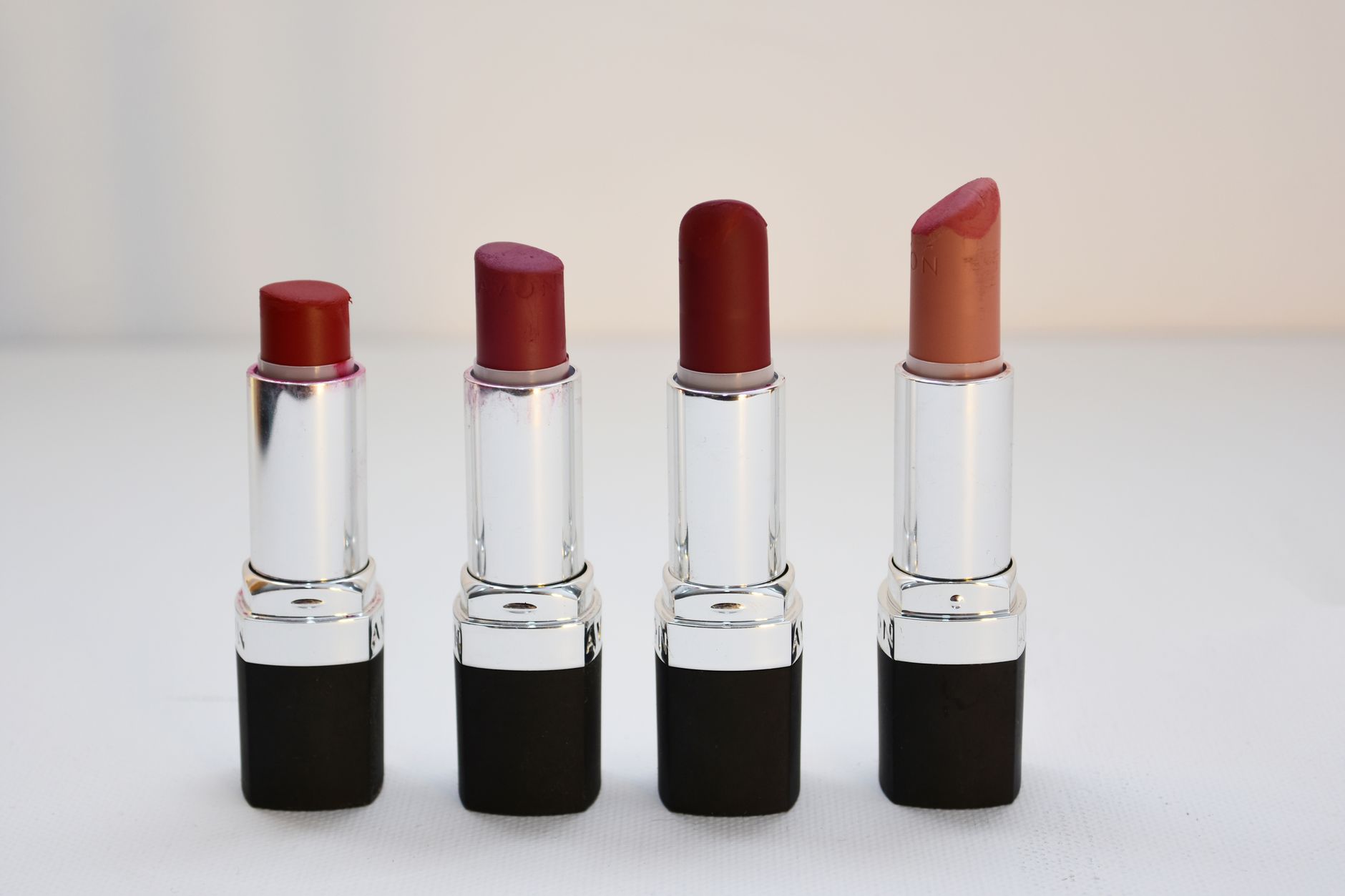
Lipstick isn’t disappearing, but it is being asked to justify itself.
The reason is mostly practical. A lip oil goes on in one swipe, needs no mirror, no liner and no blotting, and it leaves lips looking healthy rather than painted. Traditional lipstick asks for more: a steady hand, a clean edge and a touch-up after lunch. When the alternative is a product that delivers shine, a wash of color and a cushioned feel in a single step, the extra effort starts to look optional.
Comfort Is Doing the Selling
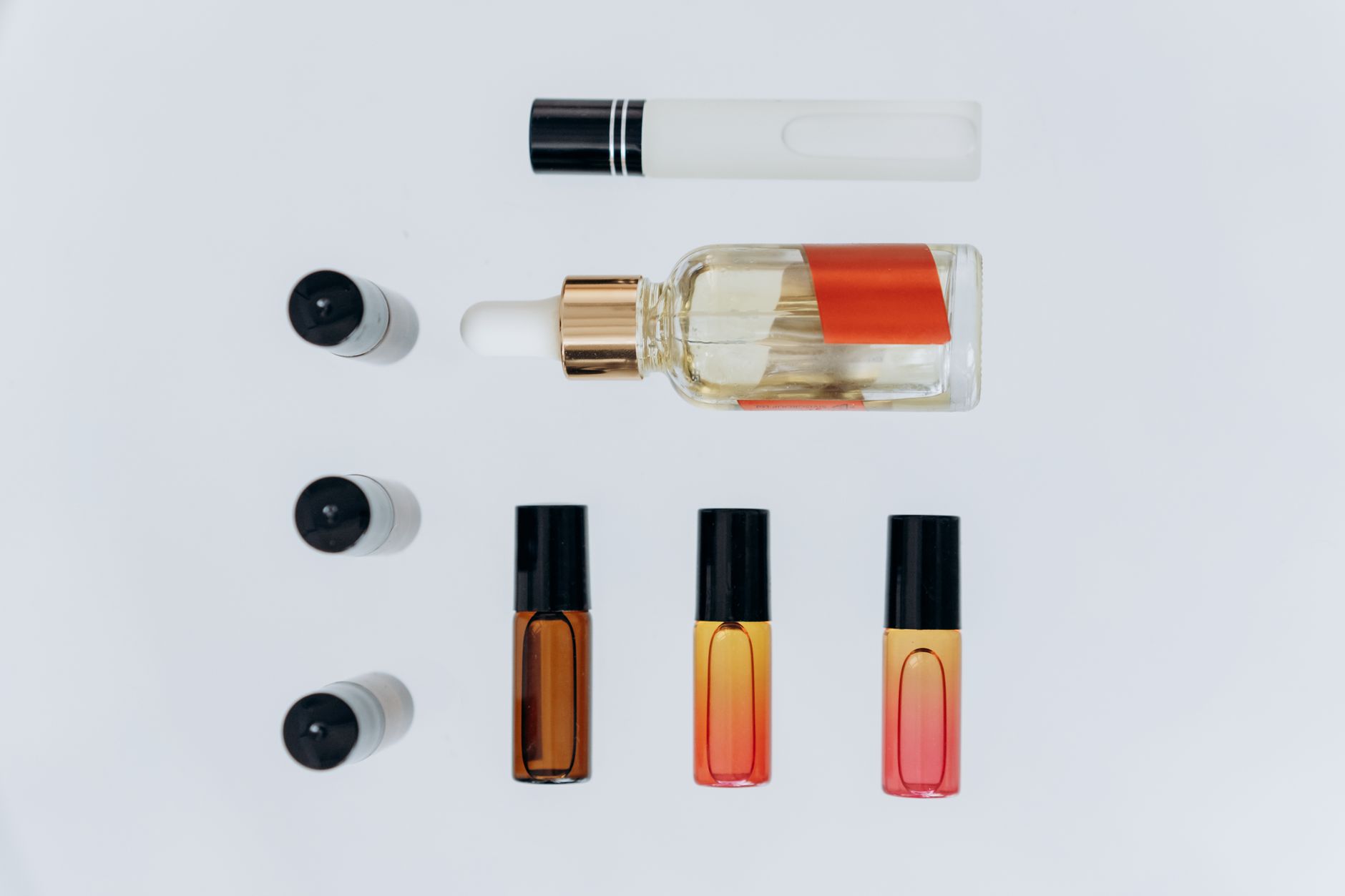
Lip oils win on feel before they win on color. Most are built on a blend of plant oils and lightweight emollients that glide on slick and plush, without the tacky drag that defined old-school gloss. That texture matters more than it sounds. Anyone who has worn a long-wear matte through a dry winter week knows the tight, papery feeling by mid-afternoon, and the oil is its opposite. It reads as skincare for the mouth that happens to come with a tint. For shoppers already layering serums and essences into their routines, a lip product that behaves like part of that routine is an easy sell.
The sheerness also lowers the stakes. Committing to a bold lipstick means committing to a shade, a finish and an occasion, and a miscalculated purple or brick red can sit in a drawer untouched. Sheer oils are far more forgiving. The pigment builds gently, adapts to the natural color underneath and tends to flatter a wide range of skin tones without much trial and error. That makes the oil a natural add-on purchase, the kind of thing that lands in a basket on impulse because the risk of getting it wrong feels small.
There is a visual argument too. Shine photographs well, and it moves well on camera, catching light every time someone turns their head or laughs. Short-form video has rewarded products that look good in motion, and a glossy lip does that effortlessly. The imperfection is also kinder. A smudged oil looks like a lip that has been lived in, while a smudged lipstick looks like a mistake. That forgiving quality suits a beauty mood that favors skin that looks like skin and makeup that looks barely there.
What Lipstick Has to Do Now
Lipstick makers are not standing still. A growing number of brands are experimenting with satin finishes, balmy textures and lightweight formulas that borrow the comfort of oils while keeping the color payoff of a bullet. The strategy is clear enough: if comfort is the reason people defected, close the comfort gap. The hardest pitch is for the matte, which was engineered for staying power at the cost of hydration. That trade-off made sense when long wear was the main selling point, but it is a tougher argument when the shopper next to you is holding something that feels like a treatment.
The two categories also don’t have to compete. Plenty of people now layer a lip oil over lipstick as a topcoat, softening a matte edge into something glossier and more wearable. That keeps lipstick in the bag, but it quietly changes its job. The bullet becomes a base layer, and the oil gets the final say on how the whole look reads. For a category built on the confidence of a single decisive swipe, being demoted to the first step is an awkward place to land.
Oils have limits, and they are worth naming. Sheer color means little opacity, so a true, saturated red or a deep berry is not something an oil can deliver on its own. Slick formulas tend to drift past the lip line and fade quickly, which means reapplication is built into the routine. A lip oil is also a casual product by nature. For an evening look that needs a defined shape and a color that stays put through dinner, a lipstick still does a job an oil can’t.
The Tote Bag Test
Open a daily tote and the pattern shows up fast: the lip oil lives in the outer pocket, within thumb’s reach, while the lipstick sits in the zip pouch at the bottom, if it came along at all.