

The Hole Pattern That Equestrian Gear Left Behind
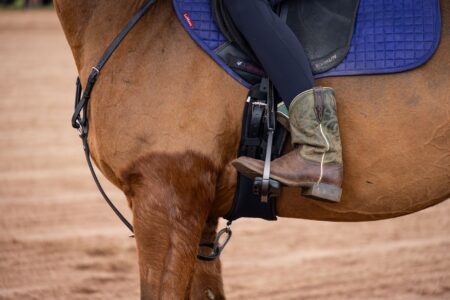
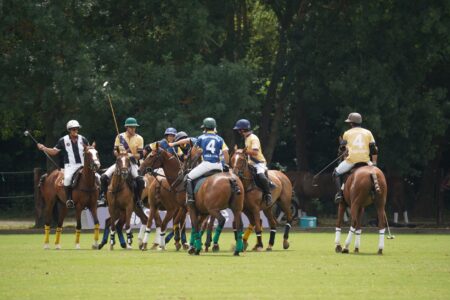
Girth billets are not glamorous. On a polo pony, they are the leather straps that connect the saddle to the girth, punched with a series of evenly spaced holes that allow for precise tension adjustment. Functional, repetitive, undecorated – for most of fashion history, that kind of detailing stayed firmly in the stable. But a quiet shift has been happening on belts, waistbands, and leather accessories: that same deliberate, closely spaced hole pattern is showing up as a design choice rather than a mechanical necessity.
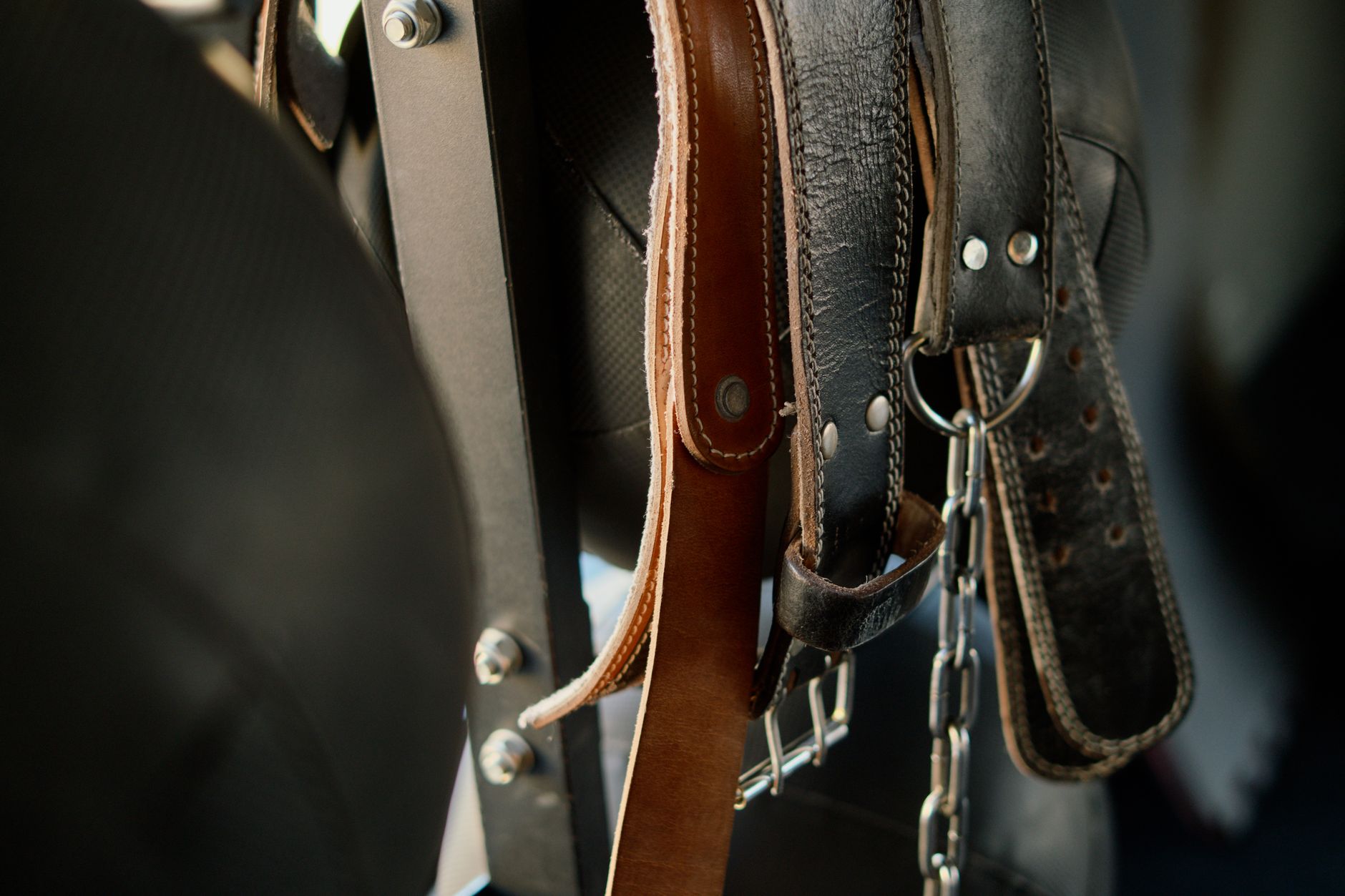
What makes girth billet notching distinct from standard belt perforation is its density and regularity. Traditional belts carry five or seven holes spaced roughly an inch apart, just enough to cover a range of waist sizes. Girth billets, by contrast, feature tightly sequenced holes running nearly the full length of the strap, often with no decorative border or finish around each puncture – just clean, purposeful negative space in thick leather. When that logic migrates to a fashion belt, the visual effect is something between industrial rigging and architectural drawing.
The trend is arriving through minimalism’s back door.
Why Minimalist Belts Needed a New Grammar
For several seasons, the dominant belt aesthetic has been restraint: smooth vegetable-tanned leather, matte hardware, single-needle stitching. The problem with extreme minimalism is that it eventually runs out of room to move. A plain tan belt is only interesting for so long before the eye stops registering it. Designers working in that stripped-back register have started borrowing structural detail from workwear and equestrian equipment specifically because those sources carry no trend baggage – they read as honest rather than decorative.
Girth billet holes solve a specific problem. They add visual rhythm and texture without introducing color, pattern, or embellishment. The holes create a line of shadow and light running down the leather, which gives a belt visual weight and direction without breaking its fundamental austerity. On a wide saddle-colored strap worn over a linen shirt or a structured coat, the effect is quietly arresting in a way that a plain belt simply cannot achieve. The notching does the work that a print or a buckle would do in a louder design language, but it stays within the vocabulary of quiet dressing.
There is also a tactile logic at play. Densely punched leather softens differently than solid leather – it develops a particular drape and breaks in with a crinkled flexibility that solid straps do not replicate. Early adopters wearing these belts report that the feel of the strap against the hip becomes almost architectural, a subtle stiffness interrupted by give at each perforation. That sensory detail matters to the consumer who has already learned to read thread count and grain weight. For that buyer, the hole pattern is a signal of considered construction rather than decoration for its own sake.

How the Detail Is Moving Through Fashion Categories
The migration from saddle room to closet has not happened in one direction. Leather goods labels working in the equestrian-heritage space introduced billet-style notching on belts and bag straps, where the reference felt earned. From there, the detail crossed into ready-to-wear, showing up on trouser waistbands as an integrated belt loop and notching system, removing the need for a separate belt entirely. That integration is particularly effective because it removes one layer of hardware from the silhouette while keeping the visual texture alive.
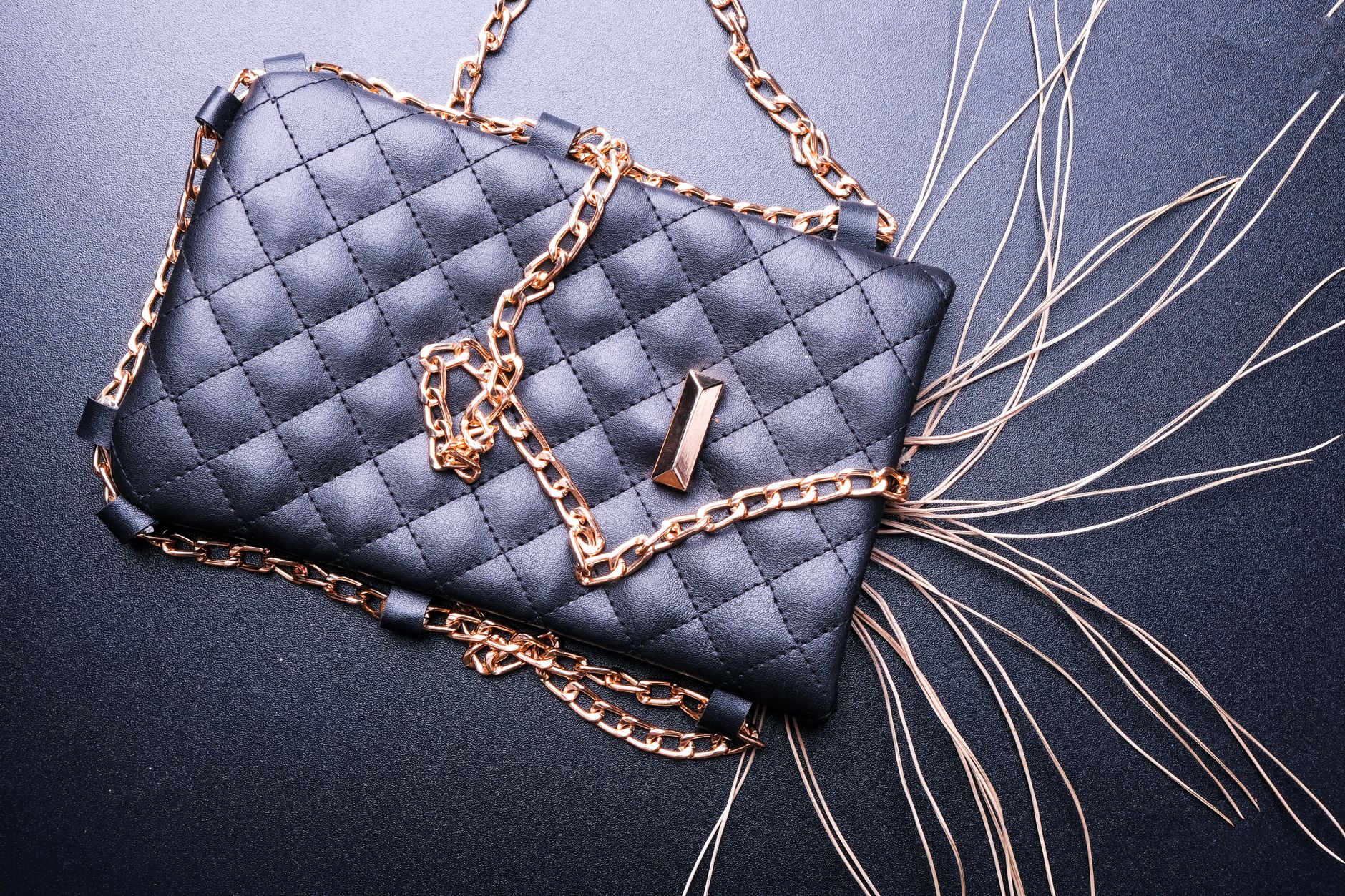
Accessories designers have taken the logic further. A growing number of small leather goods studios are applying dense billet-style perforation to watch straps, narrow wrist cuffs, and even bag handles – anywhere a long, thin leather element benefits from the tonal variation that punched holes create. This connects to a broader appetite for accessories that carry a legible reference point without explicit branding. Billet notching reads as knowing to an equestrian audience, as craft-focused to a leather goods audience, and as cleanly textural to anyone else. The triple readability is rare in detail work. Those interested in how polo hardware is reshaping accessories more broadly will find that numnah girth loops are working through a parallel translation into waistband corsetry, suggesting the stable is becoming a sustained source of structural vocabulary.
Footwear has also picked up the thread. Sandal straps and ankle strap buckle carriers punched with billet-style sequences have appeared in several small-batch collections this season. On a flat sandal in natural tan, the effect sits somewhere between Roman leather work and modern minimalist hardware – ancient in feel, completely current in weight and finish.
The Detail That Does Not Announce Itself
What gives girth billet notching staying power in a market that cycles through references quickly is precisely its resistance to being read as a trend. A consumer who does not know what a girth billet is will simply see a well-made belt with interesting texture. A consumer who does know will feel the intelligence of the reference. That double register – accessible surface, specific depth – is the condition that allows a detail to outlast the season it arrives in, and it is the reason this particular hole pattern deserves more attention than it is currently getting.