

Equestrian hardware has always carried a certain authority – the weight of function, the precision of craft, the no-nonsense language of the polo field. What’s shifting now is where that hardware ends up: not on a bridle, but looped into necklaces, stacked across handbag straps, and soldered into bracelet closures. The breastplate running ring, a small O-ring or D-ring junction used to guide reins and keep a horse’s breastplate centered, is the latest equestrian component to cross over into fashion’s quieter corner of minimalist chain design.
The Anatomy of a Running Ring and Why It Translates So Well
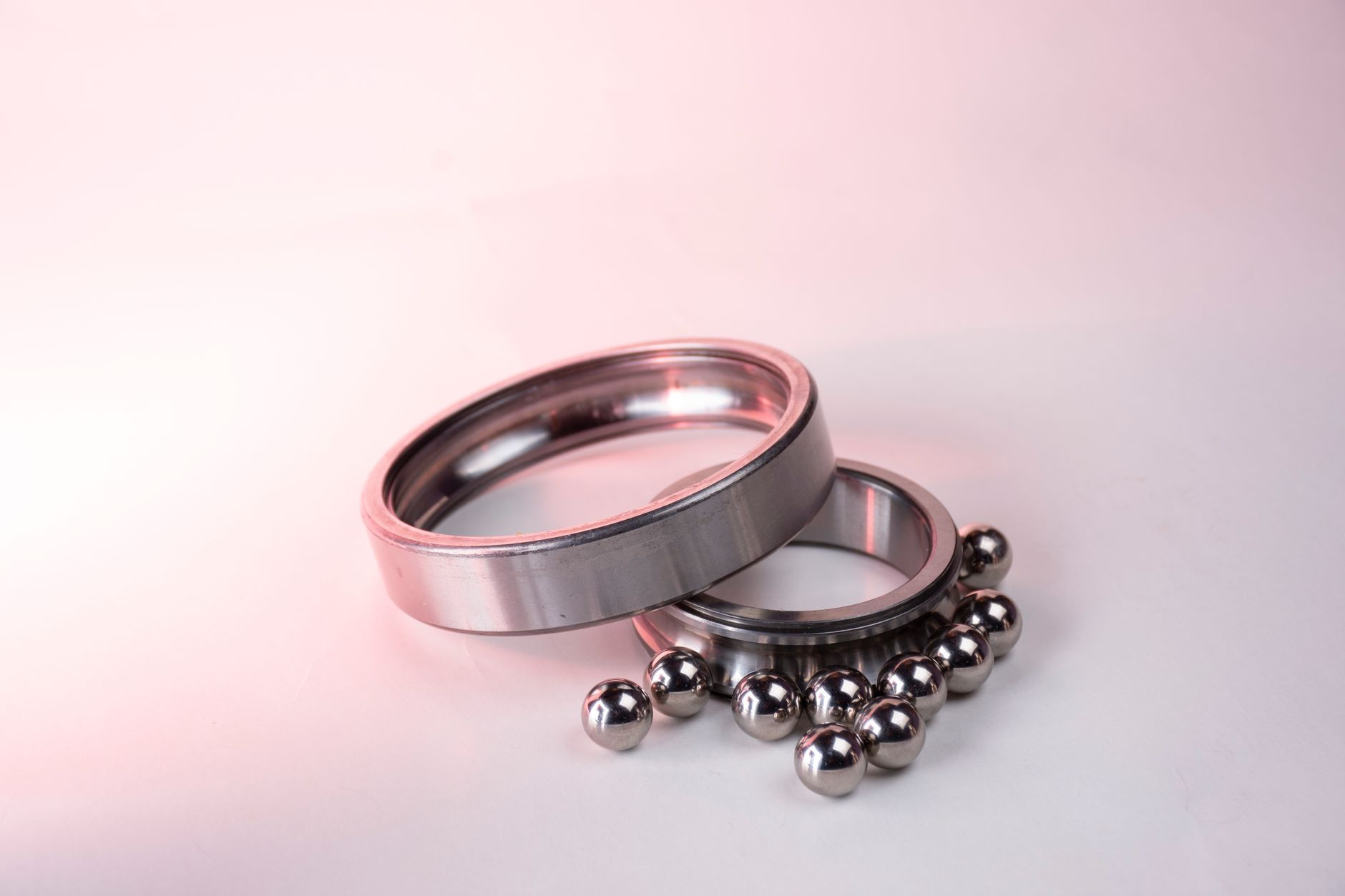
A breastplate running ring is not decorative by origin. It exists to distribute tension, hold position under pressure, and allow movement without friction. The ring itself is typically smooth, heavy-gauge metal – polished steel, brass, or nickel – with no embellishment beyond the precision of its curve. That utilitarian honesty is exactly what makes it attractive to designers working in the minimalist hardware space right now.
Minimalist chain jewelry has spent the last several seasons wrestling with a specific problem: how to add visual weight without adding ornamentation. Pendants feel too deliberate. Charms feel too casual. What the aesthetic needs is a structural anchor – something that reads as intentional without announcing itself. Running rings solve this directly. Placed at the center of a collarbone chain or used as a connector between two different chain gauges, they add density and geometry without decoration.
The proportions matter too. Running rings used in polo breastplates tend to sit in a middle range – larger than a standard jump ring, smaller than a statement O-ring. That sizing hits a sweet spot for wearable jewelry: substantial enough to read on the body, compact enough to not overwhelm a delicate chain. Designers working in gold vermeil, oxidized silver, and matte brass are finding that the ring’s diameter translates almost directly from tack room to jeweler’s bench without adjustment.
The surface finish is another factor. Equestrian hardware is finished to resist corrosion and handle outdoor conditions, which means the metal tends to have a low-sheen, slightly matte quality rather than a high-polish mirror finish. That texture sits naturally against skin and layers well with other matte or brushed components – a quality that high-polish fashion hardware has always struggled to achieve in relaxed, everyday styling contexts.
How Running Rings Are Showing Up Across Categories
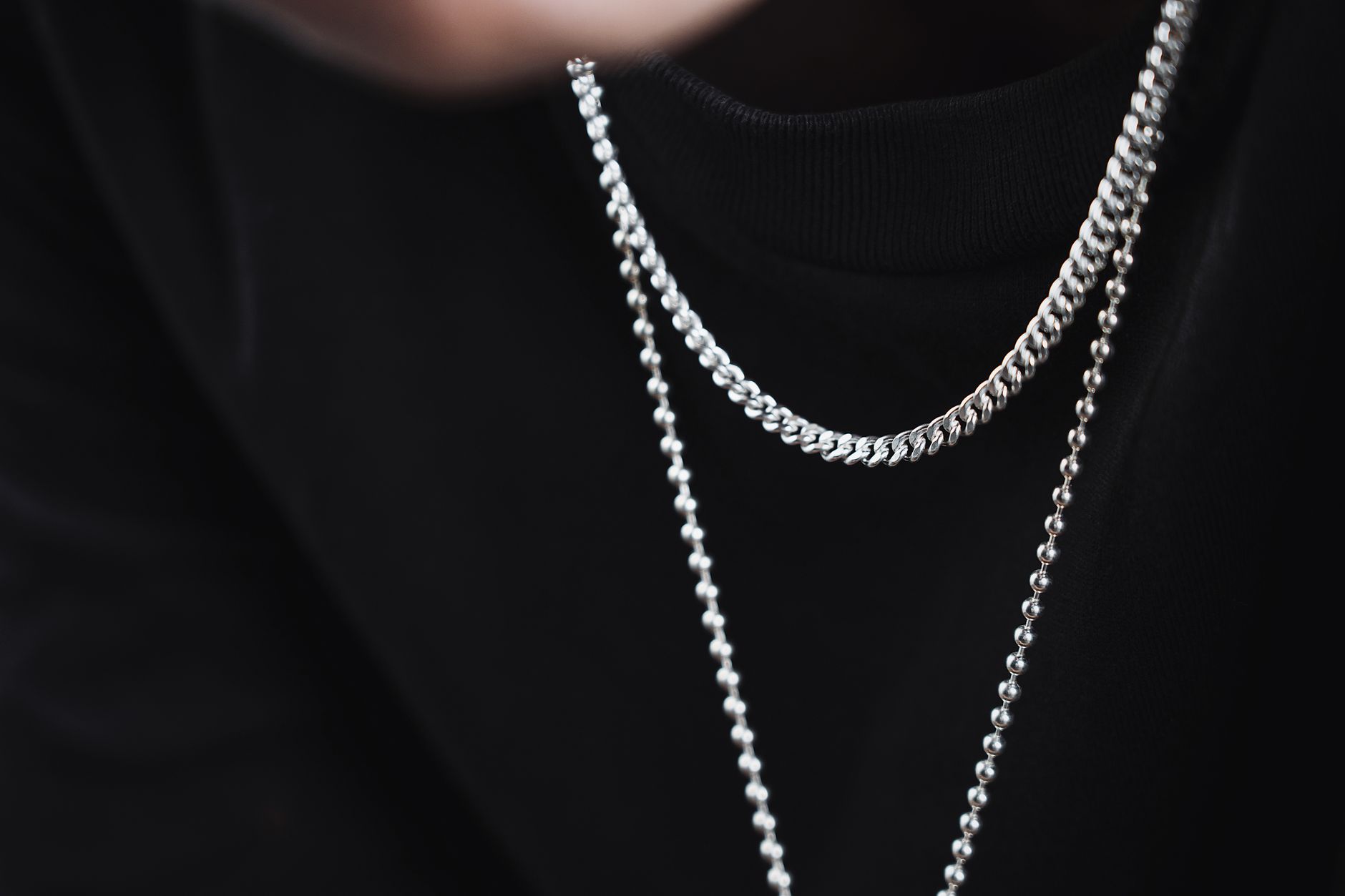
Chain necklaces are the most direct application. A running ring dropped at the center front of a fine-gauge chain creates the effect of a pendant without the pendant – a pause in the line rather than an addition to it. Some designers are threading two chains through a single ring so they can be worn at different lengths simultaneously, using the ring as both connector and silhouette tool. The result is a layered look that comes from a single piece rather than stacking multiple necklaces, which appeals to a wearer who wants the visual complexity of layers without the management of multiple chains.
Handbag hardware is absorbing the running ring format with slightly different logic. Bag straps and handle connections traditionally use rectangular or D-shaped hardware that functions well but reads as generic. A running ring at the point where a chain strap meets a bag body introduces a rounder, softer geometry that still communicates structure. A growing number of small leather goods brands are experimenting with this substitution, particularly in bags where the hardware is meant to be noticed – crossbody styles with exposed chain straps, bucket bags with ring-threaded drawstrings.
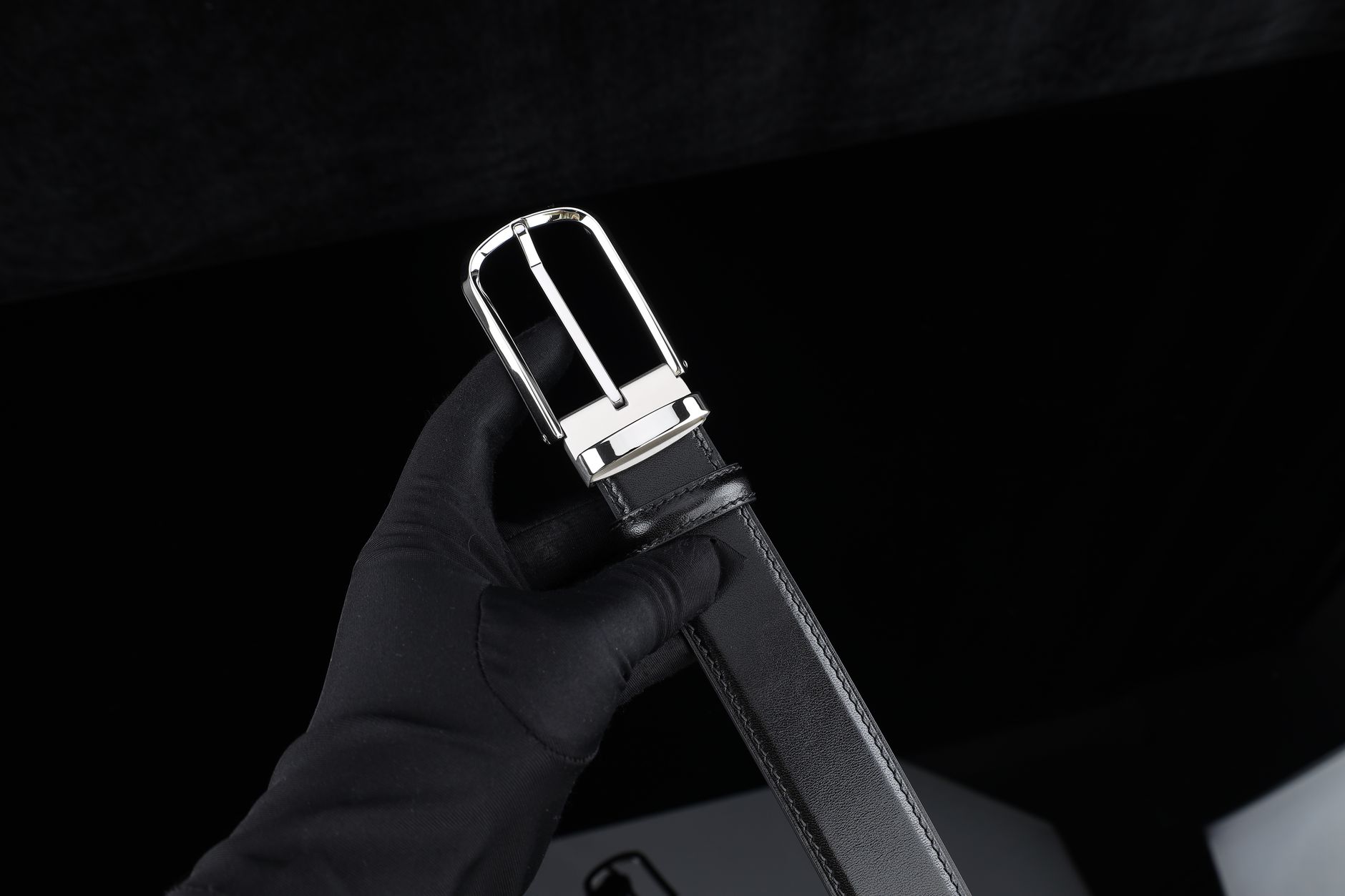
Belts are a quieter application but arguably the most faithful to the running ring’s original function. A breastplate running ring used as a belt loop or center-front connector keeps the equestrian reference legible without being literal. Worn on a narrow leather belt over a shirt or dress, the ring becomes a focal point that reads as hardware-forward without being costume-adjacent. The connection to structured bag handle loops is direct here – both applications rely on the ring’s ability to guide tension and frame a line.
Bracelet design is where the running ring gets its most creative treatment. Used as a clasp alternative or as a sliding center piece on a chain cuff, the ring allows a bracelet to move and adjust on the wrist in a way that fixed clasps don’t. Some designers are stacking two or three running rings on a single length of chain so the bracelet reads as modular – each ring sitting at a slightly different point depending on how the chain falls. The effect is casual in wear but considered in design, which is the register that minimalist hardware currently occupies.
Earring design is the one category where the running ring faces more resistance. Its proportions are wide relative to the ear, and without additional weighting it tends to shift and rotate. Designers who have made it work are using it as a top connector rather than a hoop itself – suspending a second element from the ring or threading a fine chain through it so the ring functions as a frame. That approach keeps the ring’s geometry visible while solving the fit problem, but it moves the design toward sculptural earring territory rather than pure minimalism.
The Minimalist Hardware Conversation and Where Running Rings Fit
Minimalist chain hardware has been building a vocabulary for several seasons now – toggle clasps, open-link chains, paper-clip links, snake chains with hardware connectors. Running rings don’t replace any of these. They add a specific note: the suggestion of function, of something that guides or holds rather than simply connects. A toggle closes. A running ring organizes. That distinction in implied use gives the ring a slightly more industrial, less precious feeling than most minimalist chain hardware, which has historically leaned toward the delicate end of the spectrum.
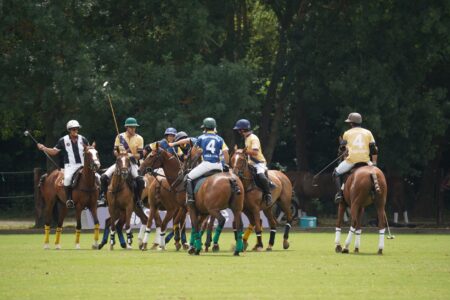
The polo field as a reference point also carries a particular cultural weight that differs from generic equestrian crossover. Polo hardware exists in a context of sport, precision, and a specific kind of understated wealth – qualities that translate into fashion as confidence rather than display. A running ring on a chain necklace doesn’t announce its origin the way a bit-detail or stirrup pendant would. It simply looks considered, which is exactly the register that quiet luxury dressing continues to demand.