

The Rosette Gets Reconsidered
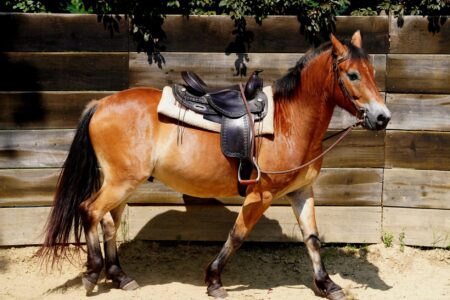
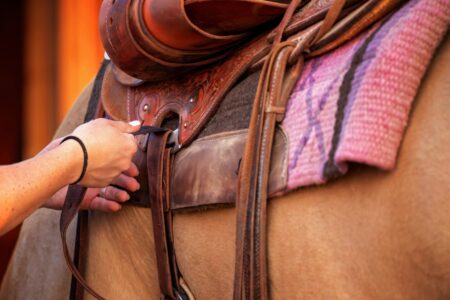
The polo club browband rosette has spent most of its life as functional decoration – a circular disc of ribbon or enamel fixed to a horse’s browband to signal club affiliation, competition rank, or regional identity. Its geometry is strict: concentric rings, a flat centre, a profile that sits flush against the leather. It was never designed to be fashionable. That is precisely why designers are paying attention to it now.
Minimalist brooch design has been circling the same formal problem for years: how to create a pin that reads as considered rather than decorative, architectural rather than ornamental. The rosette solves this without trying to.
What makes the browband rosette specifically useful as a design reference is its layered construction. Traditional versions stack ribbon loops in tight concentric formation around a central boss – the result is a piece with visible depth, geometric precision, and no wasted material. Scaled down to brooch proportions and executed in brass, oxidised silver, or matte resin, that construction language reads as intentional modernism rather than equestrian nostalgia. The source material is obscure enough that most people encountering the finished piece have no idea what they are looking at. They only know it looks right.
Why Equestrian Hardware Keeps Feeding Fine Accessories
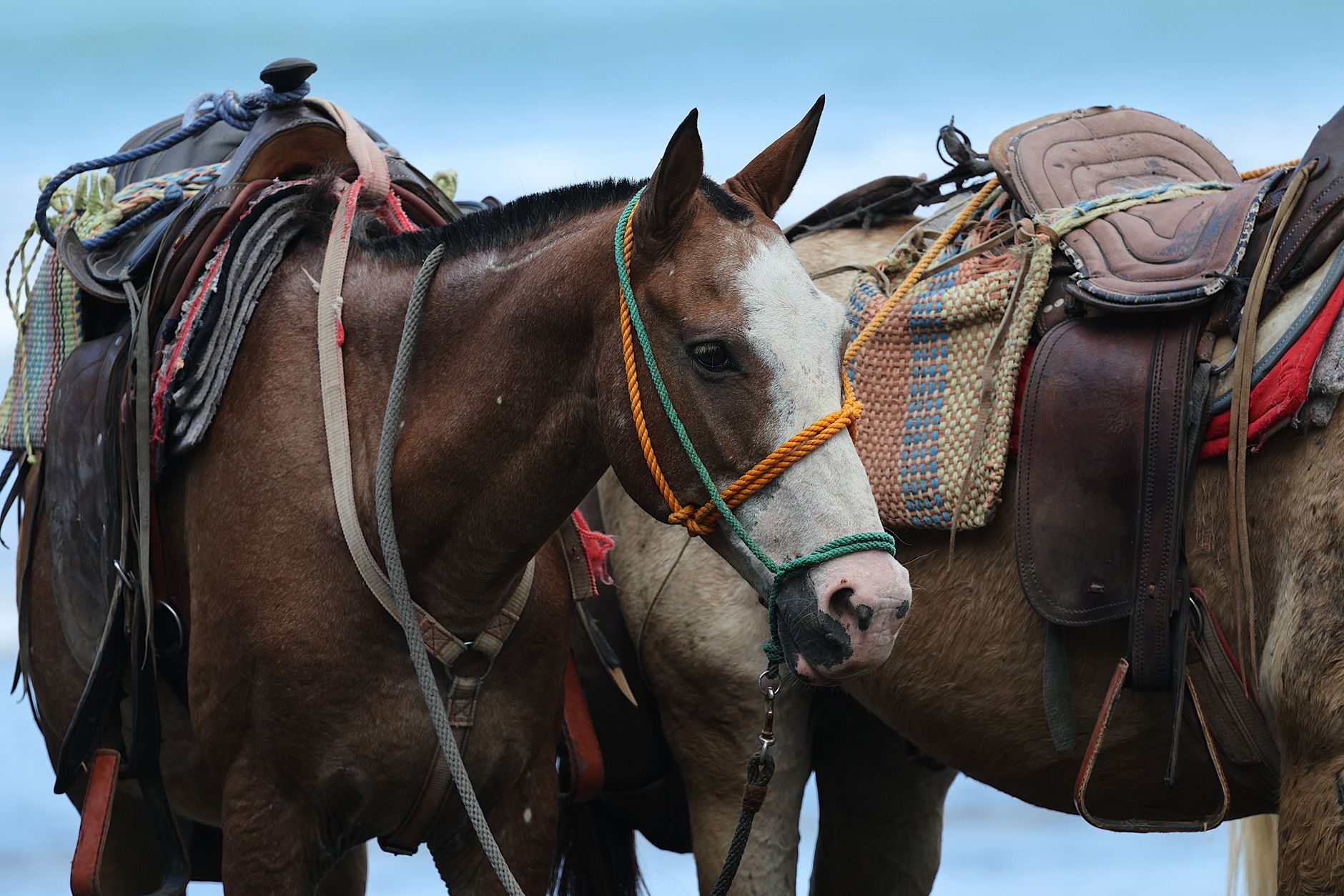
Equestrian gear has a long history of migrating into fashion accessories, mostly through hardware. Snaffle bits became handbag clasps. Stirrups became earring forms. Bridle stitching became a texture reference on leather goods. The pattern repeats because equestrian equipment is designed under real functional pressure – it must be durable, legible from a distance, and resistant to corrosion. Those constraints produce objects with inherent material honesty, and material honesty is something minimalist design spends considerable effort chasing.
The browband rosette fits this lineage. Historically made from grosgrain ribbon, velvet, or stamped metal depending on formality level, the rosette exists in a range of materiality that translates well to jewellery production. A grosgrain version suggests textile brooches and fabric pins currently circling womenswear. A stamped enamel version – common in older British polo club insignia – maps directly onto the hard enamel pin aesthetic that has moved well beyond streetwear into considered accessories. The overlap is not stylistic coincidence. It is structural similarity arriving from different directions.
This kind of cross-referencing between sport equipment and fine accessories has a precedent in how Eton College Wall Game rouge posts began informing minimalist jewellery framing – both cases where highly specific, context-bound objects carry a visual logic that works outside their original setting. The browband rosette operates the same way: it is a closed, self-contained visual system that does not need explanation to register as well-made.
How the Form Translates Into Brooch Design
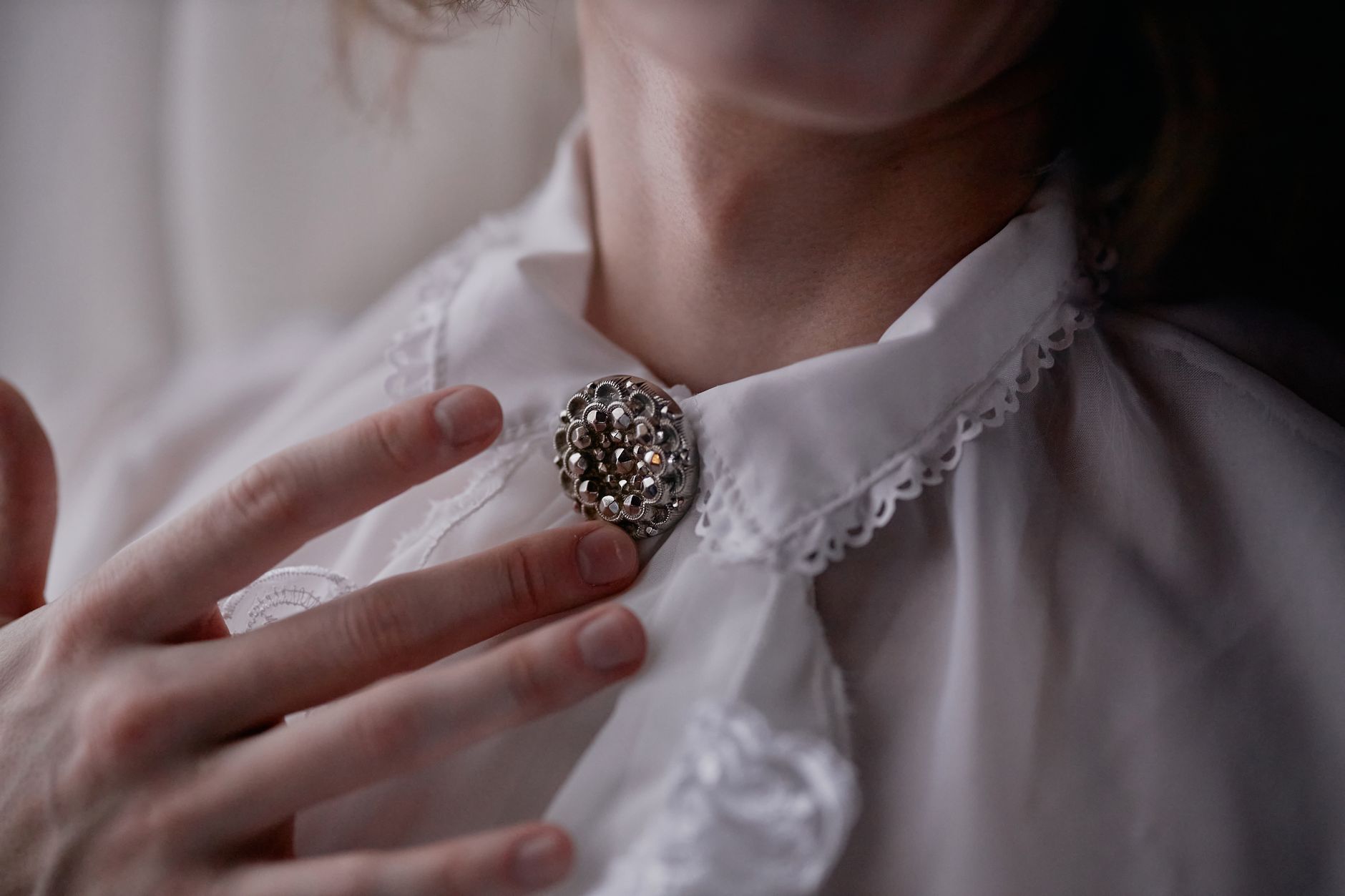
The practical translation from browband rosette to wearable brooch involves a few key decisions. First, scale. A standard polo rosette measures roughly four to six centimetres in diameter – already within brooch territory without significant reduction. Second, material substitution. Where the original uses ribbon or grosgrain, contemporary versions are experimenting with hand-folded linen, brass sheeting, and cold-process resin in neutral tones. The concentric ring structure survives the material change; the equestrian association does not, which is the point.
Third, and most consequential, is the centre treatment. Traditional rosettes carry a printed or embossed centre disc showing a club crest, a show name, or a competition year. In the brooch adaptation, that centre becomes the primary design decision. Left blank, it reads as a deliberate void – a choice that works well against the layered perimeter. Engraved lightly with a geometric pattern, it anchors the whole piece without competing with the outer rings. Some makers are using the centre as the only point of colour in an otherwise monochromatic piece, which mirrors how enamel detail functions in Scandinavian brooch tradition.
The pin mechanism itself benefits from the rosette’s flat profile. Because the form sits flush rather than projecting forward, a simple bar pin works without distorting fabric. That wearability is one reason the form is attracting independent jewellers who work primarily with natural fibres – wool coats, linen blazers, heavy cotton shirting – where a protruding brooch would create bulk. The rosette lies flat, which is a functional advantage that the equestrian original solved decades before anyone thought about couture pinning technique.
Where the Trend Is Landing
The browband rosette reference is not yet a recognised trend in the way a runway moment becomes one. It is arriving in small runs from independent makers, spotted in jewellery markets in London, Copenhagen, and Melbourne, and circulating in the kind of editorial mood boards that precede broader adoption by a season or two. The pieces rarely carry any equestrian branding or reference – buyers encounter them as abstract geometric brooches, not polo memorabilia. That distance from the source material is, for now, the design’s quiet strength.
Colour choice is staying conservative. Most pieces appearing at this early stage are working in off-white, deep navy, British racing green, and unfinished brass – a palette that overlaps with both equestrian tradition and the natural dye aesthetic running through considered fashion right now. The combination is not accidental: those colours photograph neutrally, layer without conflict, and age well on fabric, all qualities that buyers of considered accessories actively look for.
What the browband rosette offers that many minimalist brooch forms do not is immediate visual structure. A plain disc brooch requires material quality to carry it. A sculptural brooch requires context. The rosette arrives with its own internal logic – the concentric geometry does the work – which makes it readable on a cashmere lapel, a linen shirt pocket, or a canvas bag strap with equal confidence. The question now is whether the wider accessories market catches up before independent makers have fully claimed it, because once a corporate accessories line runs a version, the equestrian reference will surface explicitly, and the quiet efficiency of the form will become backstory rather than the point.
Frequently Asked Questions
What is a polo club browband rosette?
A browband rosette is a circular disc of ribbon or enamel fixed to a horse’s browband to indicate club affiliation or competition rank, traditionally made from grosgrain, velvet, or stamped metal.
How are browband rosettes being adapted into brooches?
Independent jewellers are scaling the concentric ring structure of the rosette into brooch proportions using brass, resin, and hand-folded linen, often omitting the equestrian centre disc for a clean geometric finish.