

When Equestrian Equipment Meets Structured Handbags
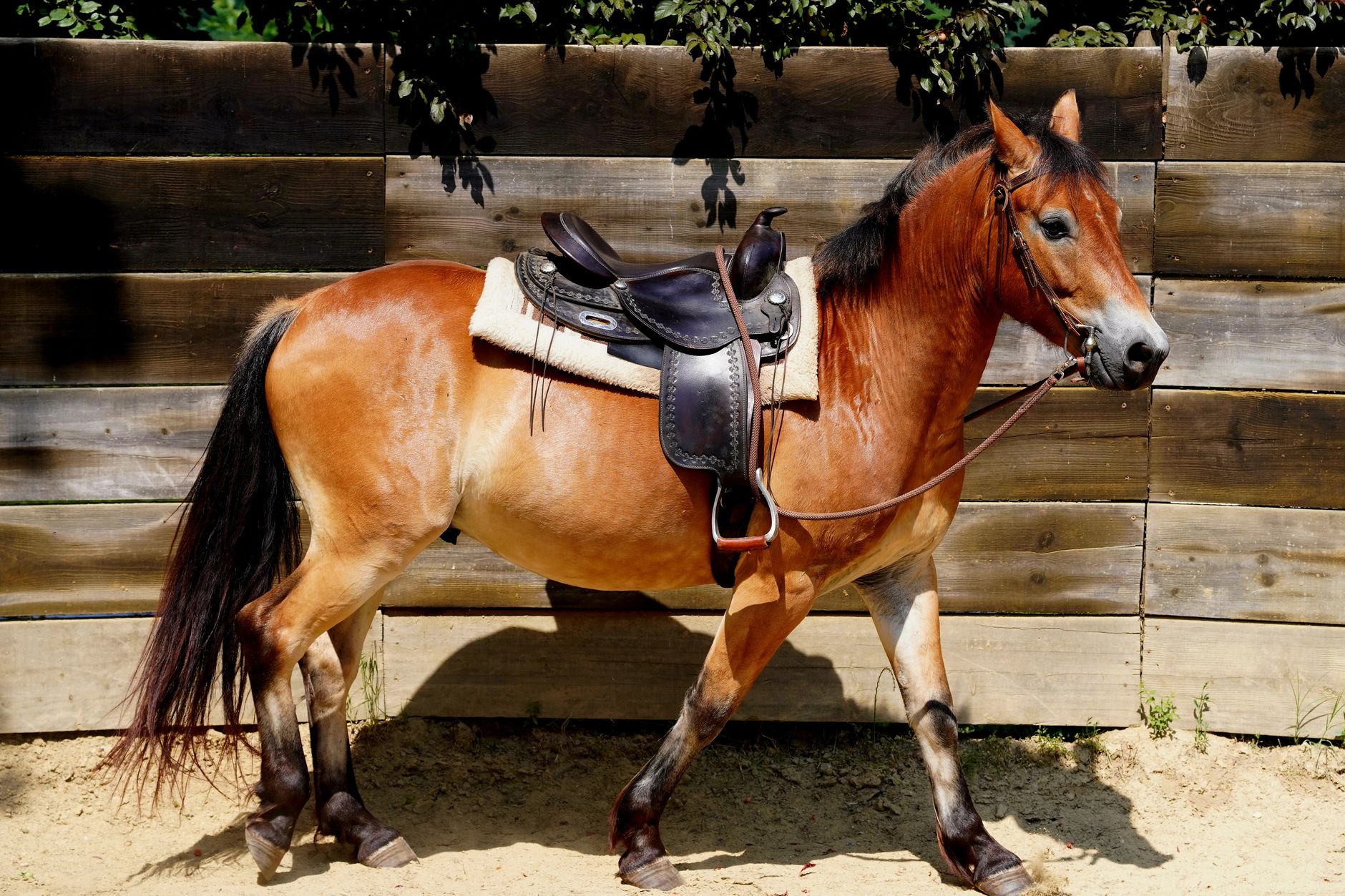
The saddle gullet panel – the arched channel running along the underside of an English saddle that prevents pressure on a horse’s spine – has spent centuries in the stable. It is a precision-engineered component, curved by necessity, built to distribute weight without collapse. Now, a growing number of bag designers are borrowing that exact architecture and applying it to rigid frame handbags, using the gullet’s distinctive arch as both structural logic and visual signature.
This is not a nostalgia play or a costume reference. The polo club aesthetic has been circulating through ready-to-wear for several seasons, pulling details from tack rooms and riding halls into contemporary wardrobes. What makes the gullet panel different is that it brings function along with it. The arch isn’t decorative – it determines how a bag holds its shape, how the mouth opens, and how the interior volume distributes weight when carried.
The result is a frame bag silhouette that feels genuinely new without pretending to be futuristic.
The Structural Logic Behind the Arch
A traditional gullet panel creates a rigid channel by connecting two raised side bars with a curved bridge. In a saddle, this keeps the structure elevated above the horse’s spine. When translated into a bag frame, the same geometry creates a raised central arch along the top edge of the opening, which does two things simultaneously: it stiffens the bag’s mouth without requiring a full rigid box frame, and it produces the visual effect of a gently vaulted top line that reads as both architectural and quietly referential.
Bag construction has long borrowed from saddlery – bridle leather, saddle stitching, and girth buckle hardware have all made the crossing before. But frame construction itself rarely gets borrowed directly. Most structured bag frames rely on either a flat rectangular bar, a kissing-clasp hinge, or a hinged box. The gullet arch introduces a third option: a frame that curves upward at its center rather than running flat, which changes the entire visual proportion of the bag. The opening appears wider than it is, and the bag reads as taller when closed than it actually measures.
For designers working in heavy vegetable-tanned leathers or coated canvas, that optical effect matters. A flat-framed bag in a stiff material can look squat or boxy. The gullet curve lifts the eye and elongates the profile without adding material or bulk. It is a small engineering choice that has a disproportionate effect on how the finished object reads from three feet away.
How the Trend Is Moving Through the Market
The bags currently working with this silhouette are not all arriving from the same direction. Some are coming from independent leather goods studios – small operations with saddlery backgrounds or craft-school training – where the connection to equestrian construction is literal and deliberate. Others are arriving from contemporary accessories labels that have been reworking structured bag shapes and landed on the gullet arch through proportion experimentation rather than any direct reference to polo culture.
That dual origin matters because it suggests the shape is solving a genuine design problem rather than functioning purely as a trend signal. When the same structural solution gets discovered independently from two different starting points, it usually means the geometry works. The gullet arch works because it resolves the tension between a bag that needs to be rigid enough to hold its shape and open enough to be functional – the curve provides stiffness at the frame’s midpoint without requiring the full weight of a box construction. Bags built this way tend to hold their posture over years of use in a way that lighter half-frame constructions don’t.
There is also a growing crossover with the broader polo club aesthetic moving through accessories – the kind of equestrian detail work that has been appearing in unexpected silhouettes and material choices across multiple categories. The gullet panel fits naturally into that conversation, but it arrives with more structural weight than most equestrian references manage.
Styling the Gullet-Frame Bag
Because the gullet arch gives a bag an inherently formal posture – upright, slightly imposing, structured at the shoulder – it pairs most naturally with looks that have their own quiet rigidity. Tailored separates, stiff-weave trousers, and coats with strong shoulder lines all let the bag’s architecture read clearly without competing with it. The bag doesn’t need to match equestrian styling to feel coherent; it needs to match the energy of deliberate construction.
Color choices from the brands working in this space tend to skew toward natural bridle tones – cognac, dark tan, black, and a particular warm brown that sits between chestnut and caramel. These shades reinforce the saddlery origin without making it costume. A gullet-frame bag in cognac leather carried against a slate grey blazer reads as a sophisticated accessories choice; the same bag in bridal white would push the equestrian reference into territory that most wardrobes can’t absorb easily.
Hardware is where some designers are diverging from the reference. Traditional saddle fittings use solid brass or nickel with minimal surface decoration. Some contemporary interpretations are keeping that restraint – flat bar hinges, simple turn-lock closures – while others are using the arch itself as a display surface, adding contrast stitching along the curve or inlaying a second leather color into the panel. Both approaches work, but the restraint version tends to age better.
What sets this moment apart from previous equestrian accessory cycles is that the borrowing is happening at the level of engineering rather than surface decoration – no riding crops printed on canvas, no stirrup charms dangling from zip pulls, just the clean logic of a shape that was designed to bear weight and hold form, now doing exactly that in a different context, for a different kind of daily use.