

The Seam That Rode In From the Paddock
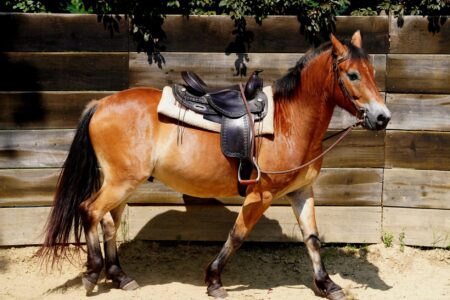
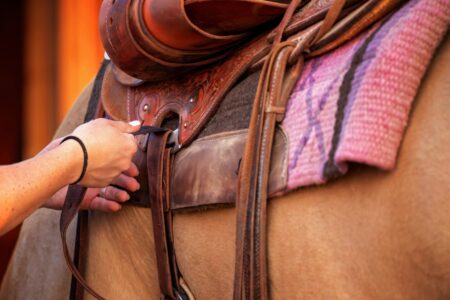
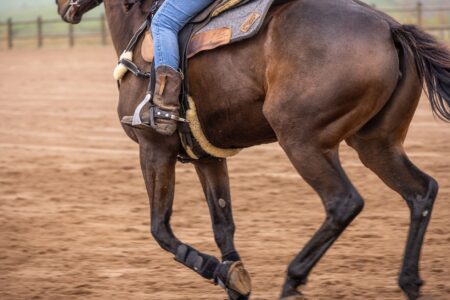
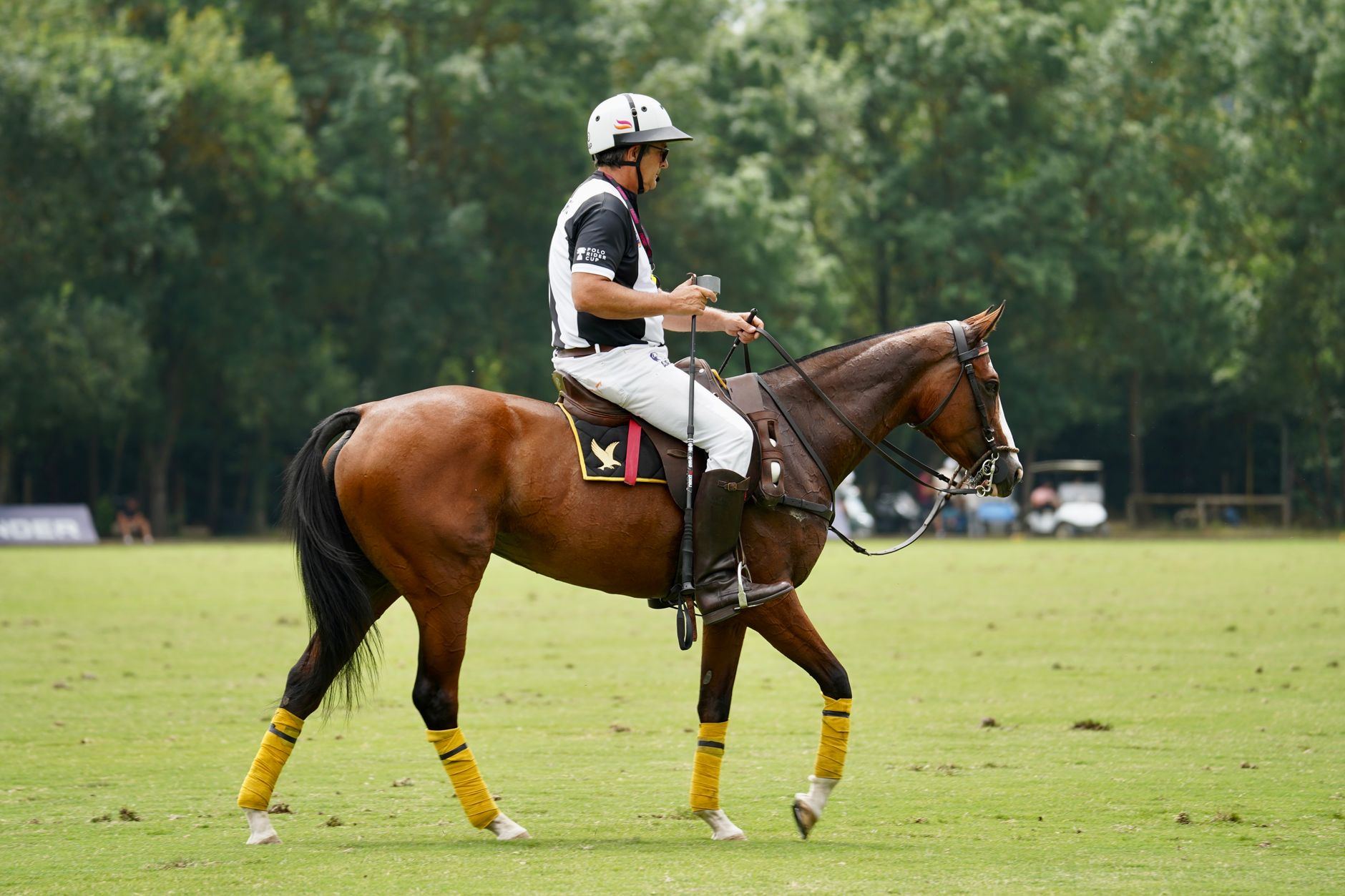
Saddle seat welting – the reinforced, often double-stitched seam construction borrowed from equestrian riding trousers – has spent decades confined to the breeches of polo players and competitive riders. The technique exists for a specific reason: it prevents painful rubbing against leather saddles during extended riding, creating a flat, outward-facing seam that sits flush rather than protruding into the inner thigh. That functional logic is now migrating, quietly and deliberately, into tailored trouser construction for menswear and womenswear alike.
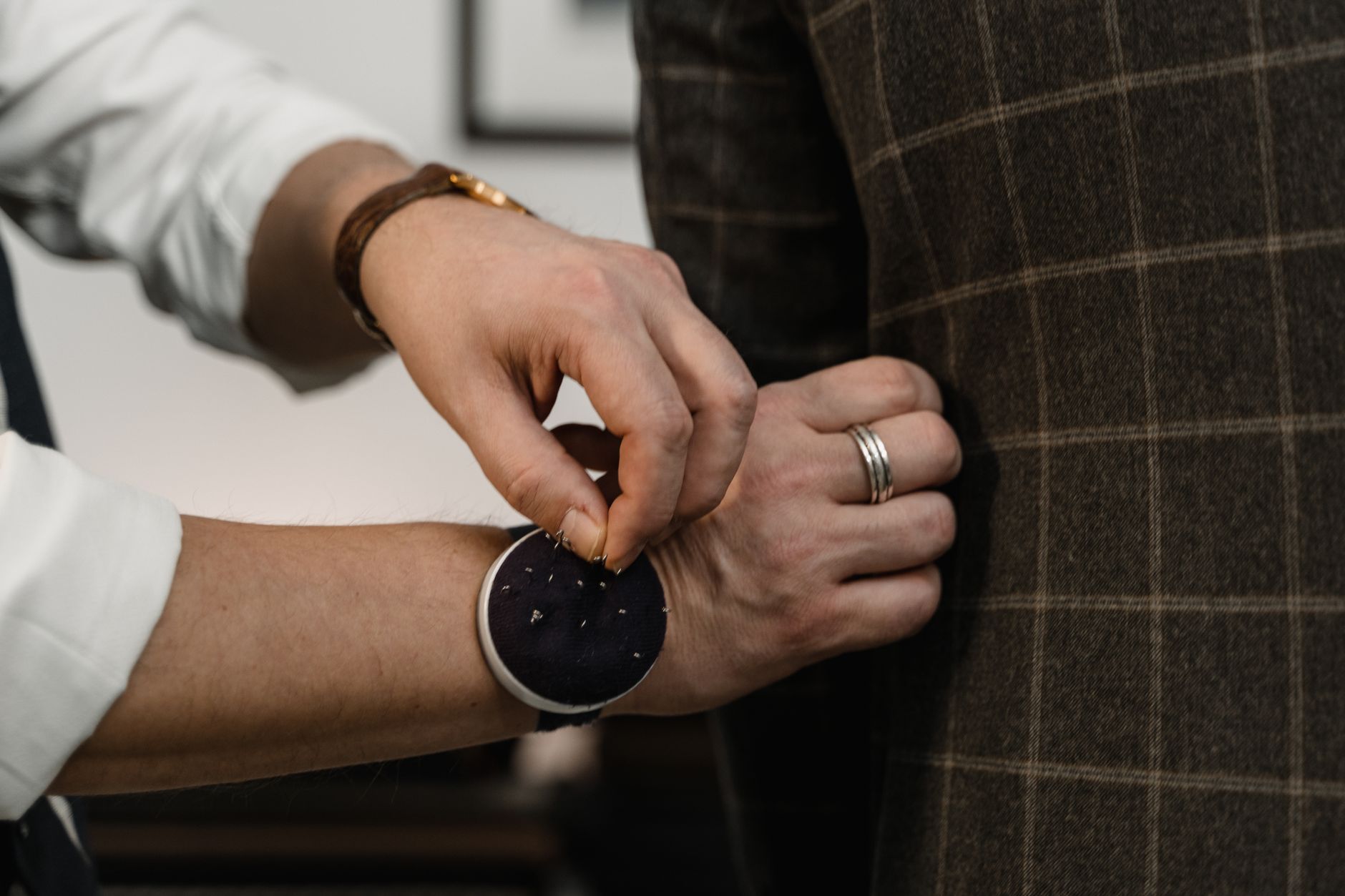
The shift is visible in the rise – literally. Where the seam treatment traditionally ran along the inner leg and seat panel, contemporary tailors are applying the same welting principle to the curved seam at the trouser rise, where the front and back panels meet below the waistband. The result is a cleaner silhouette through the hip and seat, a construction choice that reads as almost invisible from the outside but dramatically changes how a trouser fits and moves.
It is, in short, a structural idea masquerading as a stylistic one.
Why Rise Construction Matters More Than Anyone Admits
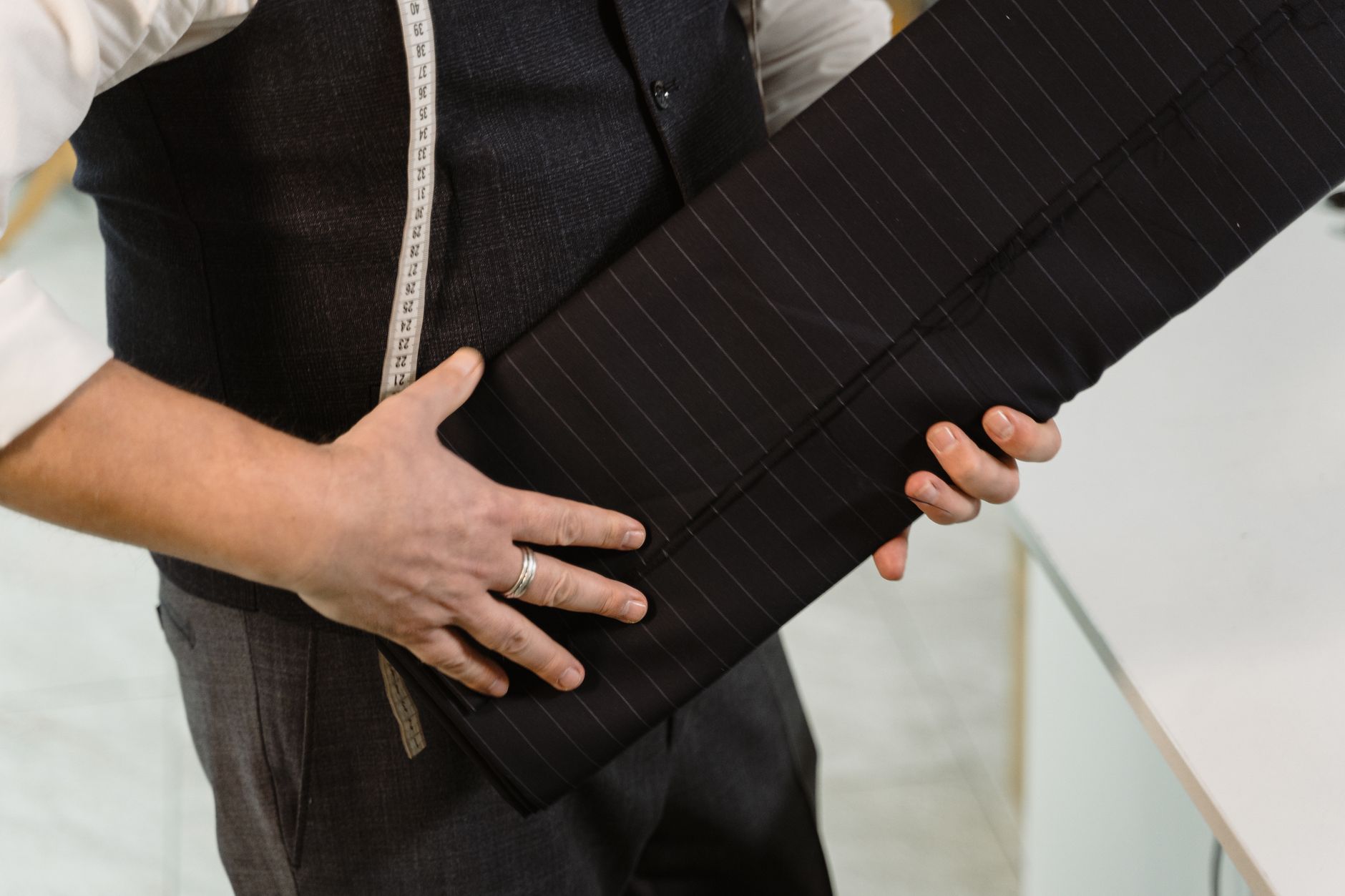
The rise of a trouser is the most technically demanding seam in the garment. It curves, it bears tension when sitting, and it determines whether a trouser pulls at the hips or falls cleanly. Conventional seam finishing at the rise – where raw or serged edges are pressed to one side – creates a slight ridge that can affect drape, especially in lighter fabrics. Saddle seat welting addresses this by turning the seam allowance outward and stitching it flat, distributing tension across a wider surface area rather than concentrating it at a single folded edge.
The technique works particularly well in medium-weight wools, cavalry twill, and ponte fabrics – materials that have enough body to hold the seam flat without stiffening. In lighter fabrics like tropical wool or fine linen, the construction requires additional interfacing to behave correctly, which is why it has taken longer to appear in warm-weather tailoring. Some independent tailors on London’s Savile Row have been quietly incorporating the method into their bespoke rise finishing for years, treating it as a personal technique rather than a trend. The distinction is worth making: this is not a decorative seam, not a visible topstitch, not an aesthetic choice in the conventional sense. It only registers as style because it affects fit.
For anyone who has tried on a trouser with an unusually clean seat and wondered why it simply looks better without being able to identify the reason, this is frequently the answer.
How the Polo World Exported the Technique Without Trying
Polo clothing has a long history of technical construction finding its way into mainstream tailoring, usually through the sportswear-to-suiting pipeline that has characterized menswear for over a century. Reinforced knee patches became lining details. Boot-cut flares influenced trouser leg openings. The full-seat silhouette of riding breeches quietly informed the cut of pleated trousers throughout the mid-twentieth century. Saddle seat welting is simply the latest detail to make that crossing, and it is arriving at a moment when trouser construction is receiving more scrutiny than it has in years.
A growing number of smaller tailoring labels – particularly those positioning themselves in the space between technical outerwear and formal tailoring – have started treating the rise seam as a design decision rather than a finishing afterthought. The aesthetic result is a trouser that reads as more refined without adding any visible ornamentation. There are no additional buttons, no contrast stitching, no altered silhouette. The trouser simply fits better through the seat, and that quality reads as quiet luxury in a category that has become increasingly saturated with surface-level detail.
The connection to knee breeches and their influence on tapered trouser hems is worth recognizing here – equestrian dress has been a persistent structural reference point for tailored trousers, not just a nostalgic one. The saddle seat seam is another chapter in that conversation.
The Construction Choice That Changes Everything Quietly
What makes saddle seat welting at the rise so well-suited to the current moment in tailoring is that it satisfies two competing demands at once: the desire for technical credibility and the demand for visual restraint. Tailored trousers have been pulled in multiple directions – toward relaxed, wide-leg cuts on one side and toward slim, high-rise architecture on the other – and the rise seam sits at the intersection of both. A trouser cut with a high, curved rise can look elegant or cartoonish depending almost entirely on how that seam is constructed and finished. Saddle seat welting is one of the few techniques that actually solves the problem structurally, rather than papering over it with a different silhouette. The question now is whether the broader tailoring market will name it openly, or whether it will remain the kind of quiet detail that separates a well-made trouser from a merely expensive one without anyone being able to say exactly why.
Frequently Asked Questions
What is saddle seat welting in trousers?
Saddle seat welting is a seam construction technique borrowed from equestrian riding trousers, where the seam allowance is turned outward and stitched flat to reduce friction and improve drape.
Why is saddle seat welting being used in tailored trouser rises?
Applying the technique to the trouser rise seam creates a cleaner silhouette through the hip and seat by distributing seam tension more evenly, resulting in a better fit without adding visible ornamentation.