

Equestrian hardware is crossing into fashion territory, and the crossover point is more precise than you might expect. The saddle gullet plate – a rigid, curved metal fitting used inside polo saddles to maintain channel width and protect the horse’s spine – is now appearing, in adapted form, as structural boning in high-fashion and independent corsetry. It’s not a metaphor. Designers are pulling from the actual geometry of these components.
The Anatomy of a Gullet Plate and Why It Translates
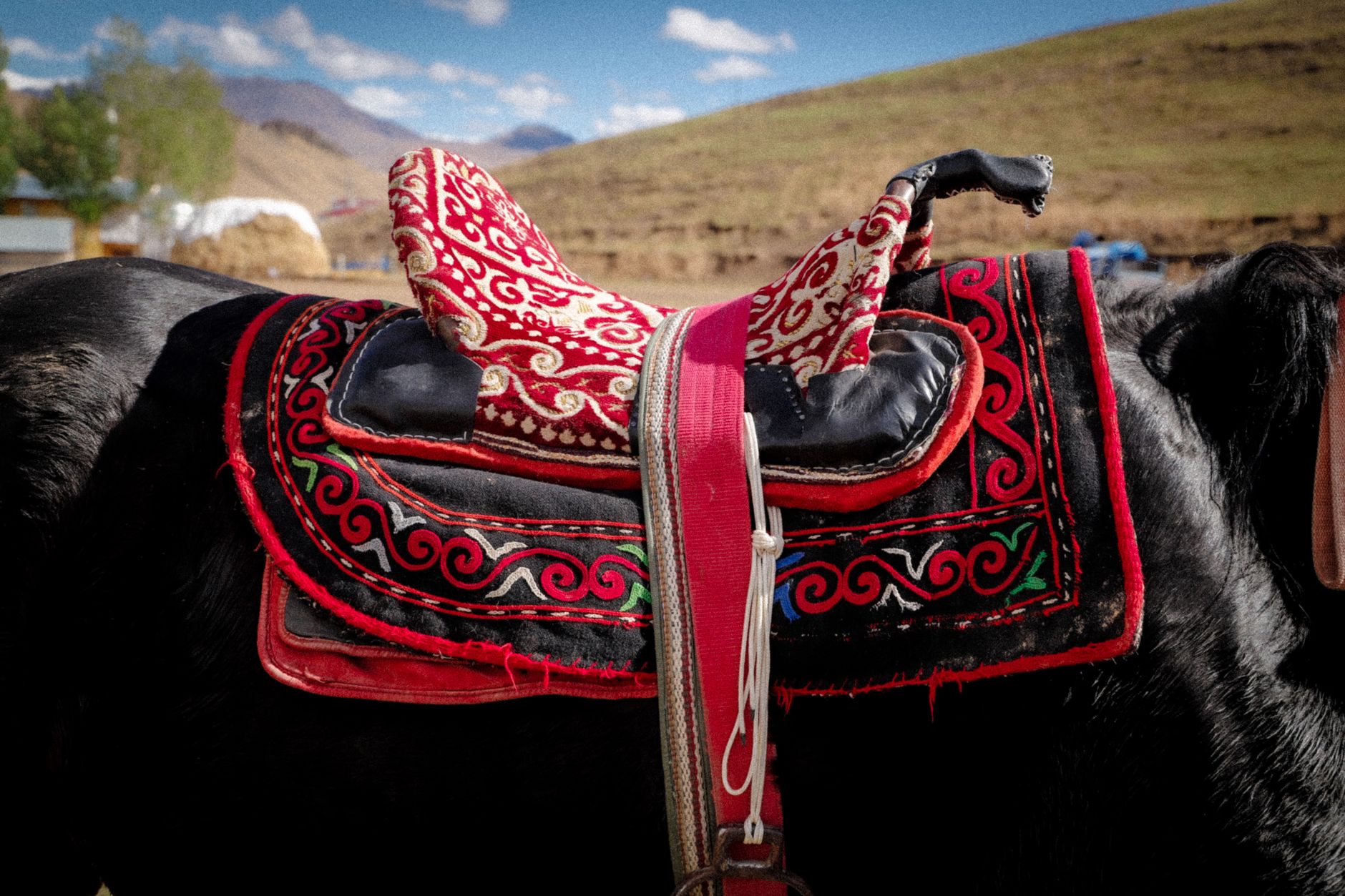
A saddle gullet plate sits at the pommel of an English or polo saddle, forming the front arch of the tree. Its job is to hold a fixed gap – typically measured in finger-widths – over the horse’s withers, distributing pressure evenly across the back. The plate itself is a stamped or forged metal piece, often stainless steel or aluminum, with a pronounced curve and two flanged arms that extend downward along either side of the saddle tree. That shape is precise, load-bearing, and anatomically mapped to a living body. That’s exactly what makes it interesting to corset makers.
Traditional corset boning uses either spring steel strips or spiral steel coils sewn into channels along the garment’s vertical seams. Both methods flex, which allows movement but also allows the corset to shift, roll, or lose its intended silhouette under pressure. A gullet plate-derived component doesn’t flex the same way. The arch holds its geometry regardless of lateral force. When applied to the front busk or the upper chest panel of a structured corset, that rigidity creates a lift and forward projection that spring steel simply cannot replicate.
The curve is the critical variable. Gullet plates aren’t flat – they arch away from the body at the top and angle inward at the base, mimicking the natural rounding of a torso. Corset boning has always tried to work with body contours, but standard steel strips are cut and shaped by the individual maker, introducing inconsistency. A gullet plate-derived insert arrives already formed to a specific radius. Some independent corsetiers are sourcing narrow saddle fittings – particularly those designed for narrow-treed polo saddles, which have a sharper arch profile – and having them cut down or adapted by metalworkers before integrating them into garment channels.
The weight is not negligible. Steel gullet plates used in competition saddles can weigh several hundred grams; adapted versions for garment use are typically aluminum or lightweight alloy, brought down to a fraction of that. The trade-off is some reduction in rigidity, but the structural improvement over standard boning remains significant. The plate also creates a natural anchor point for lacing tension, which is why corsetiers working in the overbust silhouette find it particularly useful at the front panel, where the most structural load concentrates.
How the Trend Is Moving Through Corsetry
The pipeline from equestrian supply to fashion workshop isn’t a straight line. It runs through online communities of historical costumers, stage and theatrical costume builders, and independent corset makers who post construction diaries on social platforms. In those spaces, cross-material experimentation is constant. Someone trying to build a convincing 1880s riding habit notices that the saddle hardware they’re working with matches the structural logic they need for the bodice. The adaptation gets documented, shared, and refined by others.
What’s different now is that this information is circulating at a faster pace and reaching makers with more technical manufacturing access. A small-batch corsetry label can now approach a metal fabricator with a reference image of a gullet plate and commission a run of modified inserts built to their own boning channel dimensions. That wasn’t practical five years ago without significant minimum order quantities or established supplier relationships. Now it’s a more accessible path, especially for labels positioning in the structured, couture-adjacent market where construction detail is itself a selling point.
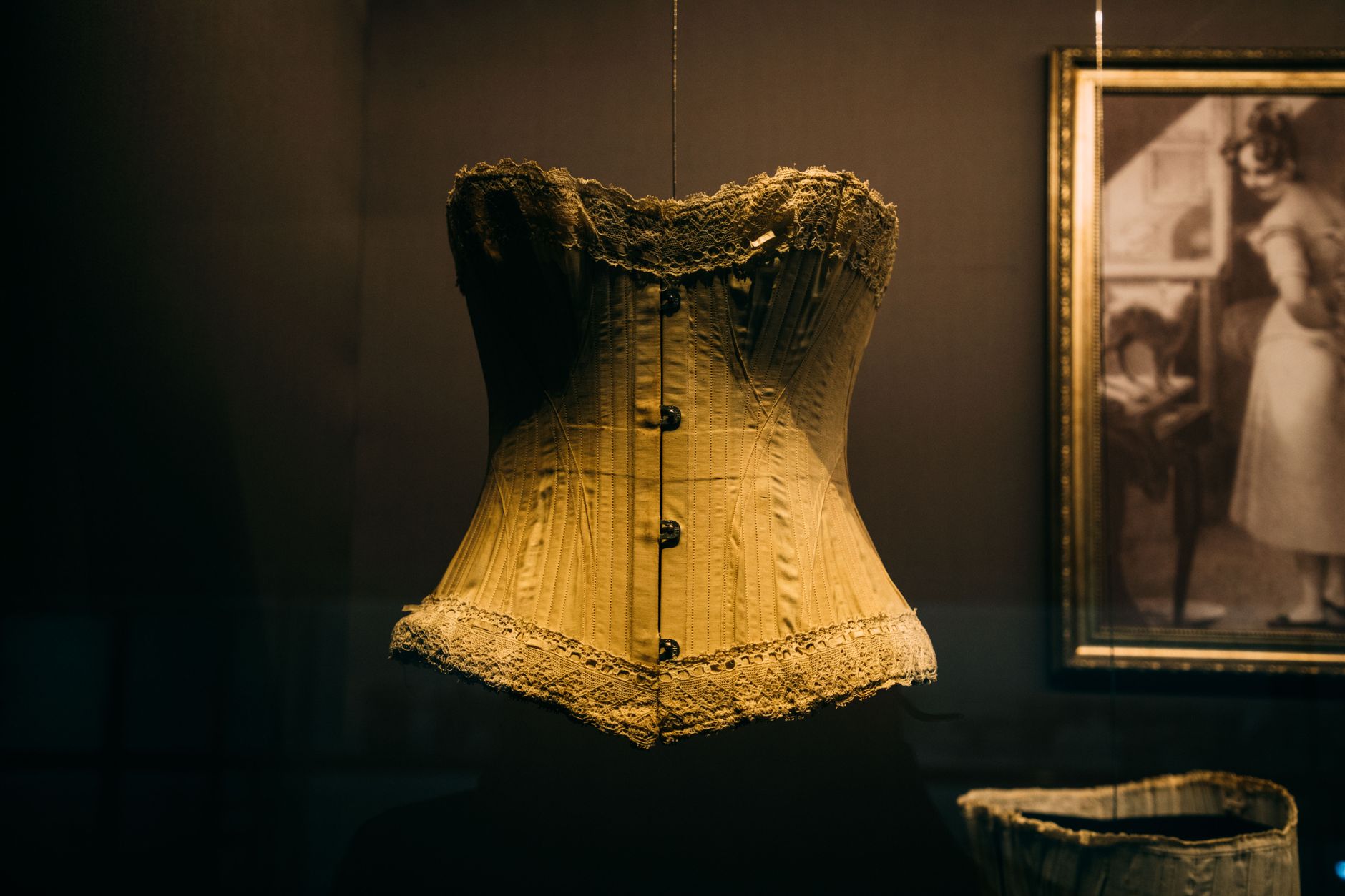
The visual evidence shows up most clearly in corsets where the front panel holds an unusually clean convex curve – a smooth forward dome rather than the flatter or slightly concave profile that spring steel tends to produce. The gullet plate shape pushes the chest panel forward and upward with a consistency that reads, from the outside, as exceptional fit engineering. Consumers looking at these garments in editorial images often can’t identify what’s creating that silhouette. The source material is opaque to anyone outside equestrian or saddle-making circles.
Some makers are also using the flanged arm geometry of the plate to solve a persistent problem at the side seams of overbust corsets: the tendency for the garment to push outward at the underarm rather than hugging the body. The lateral arms of an adapted gullet component, running diagonally from the front panel toward the side seams, create an inward tension that conventional vertical boning doesn’t provide. It’s a structural solution borrowed wholesale from saddle engineering, where the same flanged arm geometry prevents the saddle from rocking sideways on the horse’s back.
The textile pairings being chosen to work alongside these components are heavier than the typical fashion corset fabric. Linen canvas, heavyweight duchess satin, and bonded wool are turning up as outer layers specifically because they can support the additional rigidity without distorting. Lighter fabrics tend to pucker or show stress lines around a rigid insert, especially at the edges of the plate. Makers have found that the garment construction needs to meet the hardware at its level rather than trying to soften the structural contrast.
Where This Sits in the Wider Structured Silhouette Conversation
Structured corsetry has been building momentum across several fashion seasons, driven partly by a renewed interest in historical construction methods and partly by a consumer appetite for garments with genuine engineering behind them. The gullet plate development fits into that broader move without being a gimmick – it’s a functional upgrade to an existing craft tradition, not decoration borrowed from another context. The equestrian source is almost incidental to the structural logic.

What makes this specific adaptation worth watching is the precision it introduces into a craft that has historically relied on individual maker skill to compensate for material limitations. A well-sourced, properly adapted gullet plate insert removes one variable from the construction equation – the front arch profile – and locks it in. Whether that level of standardization appeals to makers who value the handcraft element of boning shaping is a genuine tension within the community. Some corsetiers see it as an improvement. Others see the hand-shaping of boning as part of what makes the work theirs.