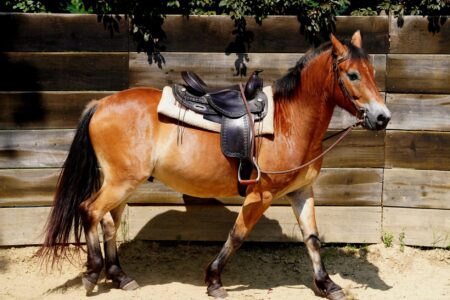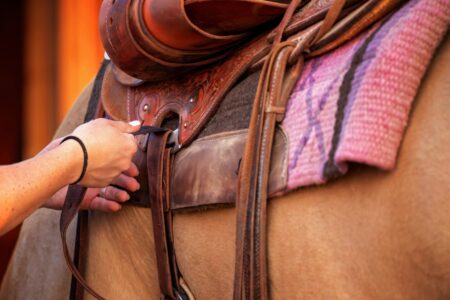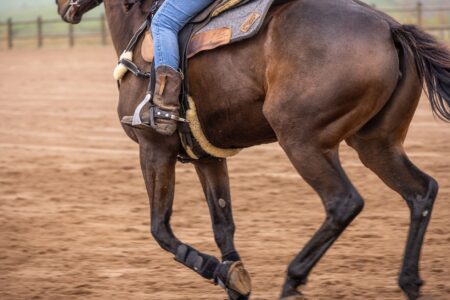


Equestrian equipment has always carried a certain hardware logic – precise, load-bearing, and built to withstand movement under pressure. That same logic is now arriving in fashion, specifically through the saddle keeper loop, a small strap-management component from polo tack that designers are threading directly into bag construction.
From the Tack Room to the Runway
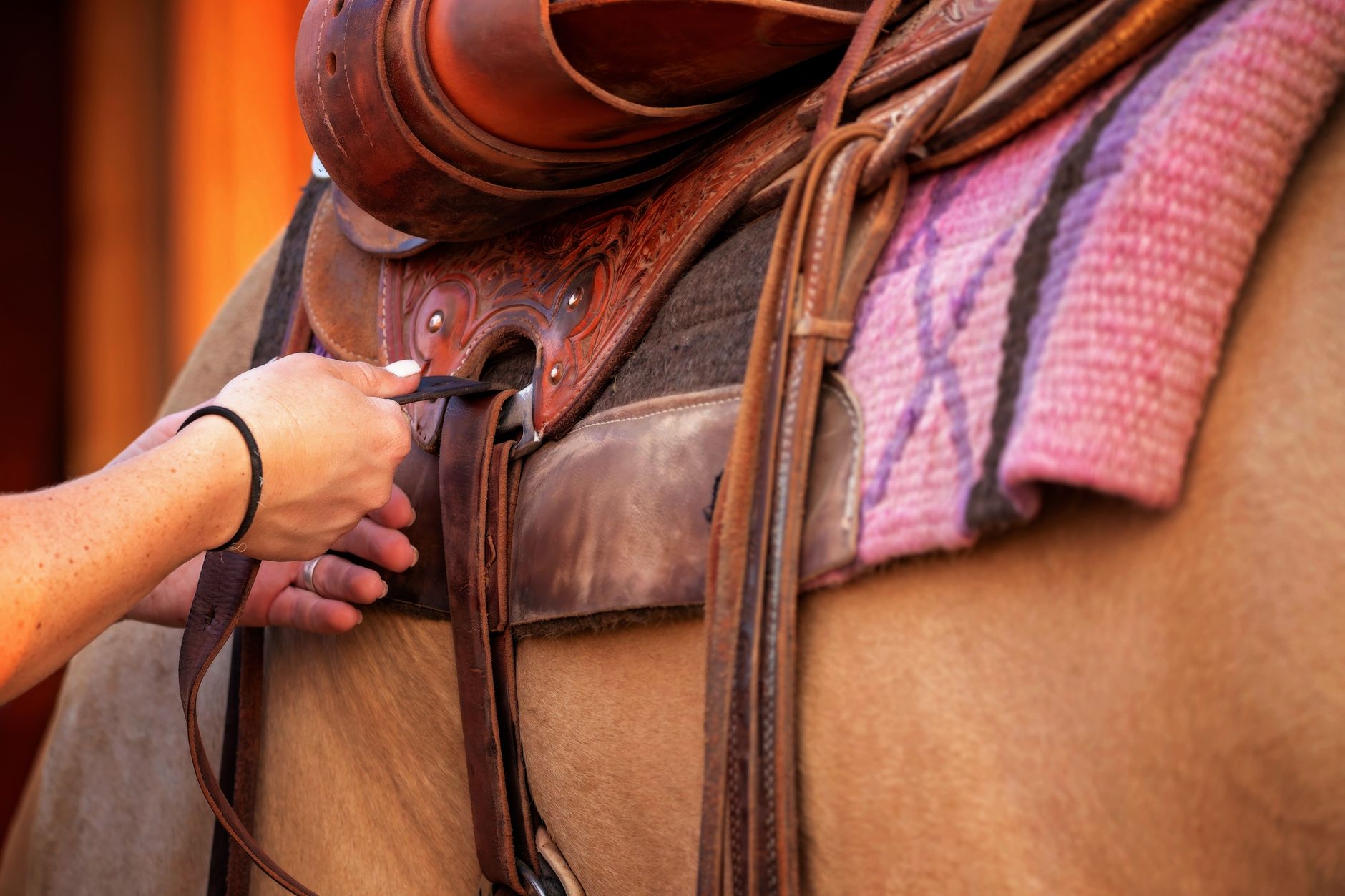
A saddle keeper loop is deceptively simple: a secondary loop, usually stitched or riveted alongside a primary buckle, that holds excess strap tail flat against the body of the saddle. Its job is purely functional – stop the strap from flapping, keep the line clean, prevent slippage under the kind of lateral force a galloping horse generates. It does this without adding bulk, without requiring adjustment, and without drawing attention. That invisibility is precisely why it translates so well to bags.
Bag strap hardware has long struggled with the loose-tail problem. Adjustable shoulder straps, crossbody slides, and convertible top-handle systems all produce a length of leftover leather or webbing that either flops freely or gets threaded through a basic keeper that barely holds its position. The result is a strap that looks unfinished – functional but slightly undone. Polo saddle design solved this years ago, and now a growing number of leathergoods ateliers are studying that solution directly.
The adaptation is not purely aesthetic. A keeper loop placed at the correct point along a strap distributes tension more evenly across the adjustment hardware. On a bag worn crossbody, this means the slider sits more stably on the body, resisting the kind of creep that shifts a bag’s position over the course of a day. The physical argument for the design is solid, which is why it’s gaining traction beyond the purely trend-driven end of the accessories market and into structured, investment-grade pieces.
What makes the polo-specific version distinct from the generic keeper already used in some bags is construction detail. Traditional bag keepers are often simple folded loops, stitched flat. Saddle keeper loops are typically double-stitched with reinforced stress points, sometimes set with a small rivet at each end, and cut from heavier-weight leather than the strap itself. That weight differential is intentional – the loop needs to resist movement without becoming a pressure point. When that spec transfers to a bag, the hardware reads with a density and intention that cheaper versions simply don’t achieve.
How the Hardware Actually Works on a Bag
The most direct application appears on adjustable shoulder straps, where the keeper loop is positioned roughly two to three inches from the adjustment slide rather than directly against it. This placement creates a short, controlled section of strap between the slide and the loop, which prevents the slide from migrating under body movement. On a bag with a single-point shoulder drop, this matters more than it might seem – a slide that shifts even half an inch changes the bag’s hang angle, which changes how weight distributes across the shoulder.
A secondary application is appearing on convertible bags, the kind that shift between shoulder, crossbody, and top-handle configurations. These pieces typically involve more strap length than a standard bag, and more attachment points, which means more opportunity for loose hardware to look sloppy mid-transition. Saddle keeper loops used at each configuration point allow the unused strap sections to sit controlled and flat against the bag body, so the conversion reads as deliberate rather than improvised. The bag looks intentional in every mode, not just the one the owner is currently using.
Material choices are following the equestrian source. Full-grain vegetable-tanned leather, the same material preferred for polo tack because of its durability and ability to compress cleanly under stitching, is showing up as the keeper material in pieces that otherwise use softer, more fashion-forward leather for the body. The contrast is subtle but visible on close inspection – a slightly firmer, denser loop against a supple strap – and it signals construction quality the way a fine canvas lining signals quality in a jacket.
Hardware finish is the other area where polo tack influence is making itself felt. Polo equipment tends toward functional metals – solid brass, sometimes with a light antique tone that resists the flash of polished gold. That same restrained finish is appearing on keeper rivets and loop hardware in bags aimed at the quiet luxury segment. The rivet is present, it’s well-made, but it doesn’t announce itself. This is the aesthetic opposite of the logo-forward hardware that dominated accessible luxury for the better part of two decades.
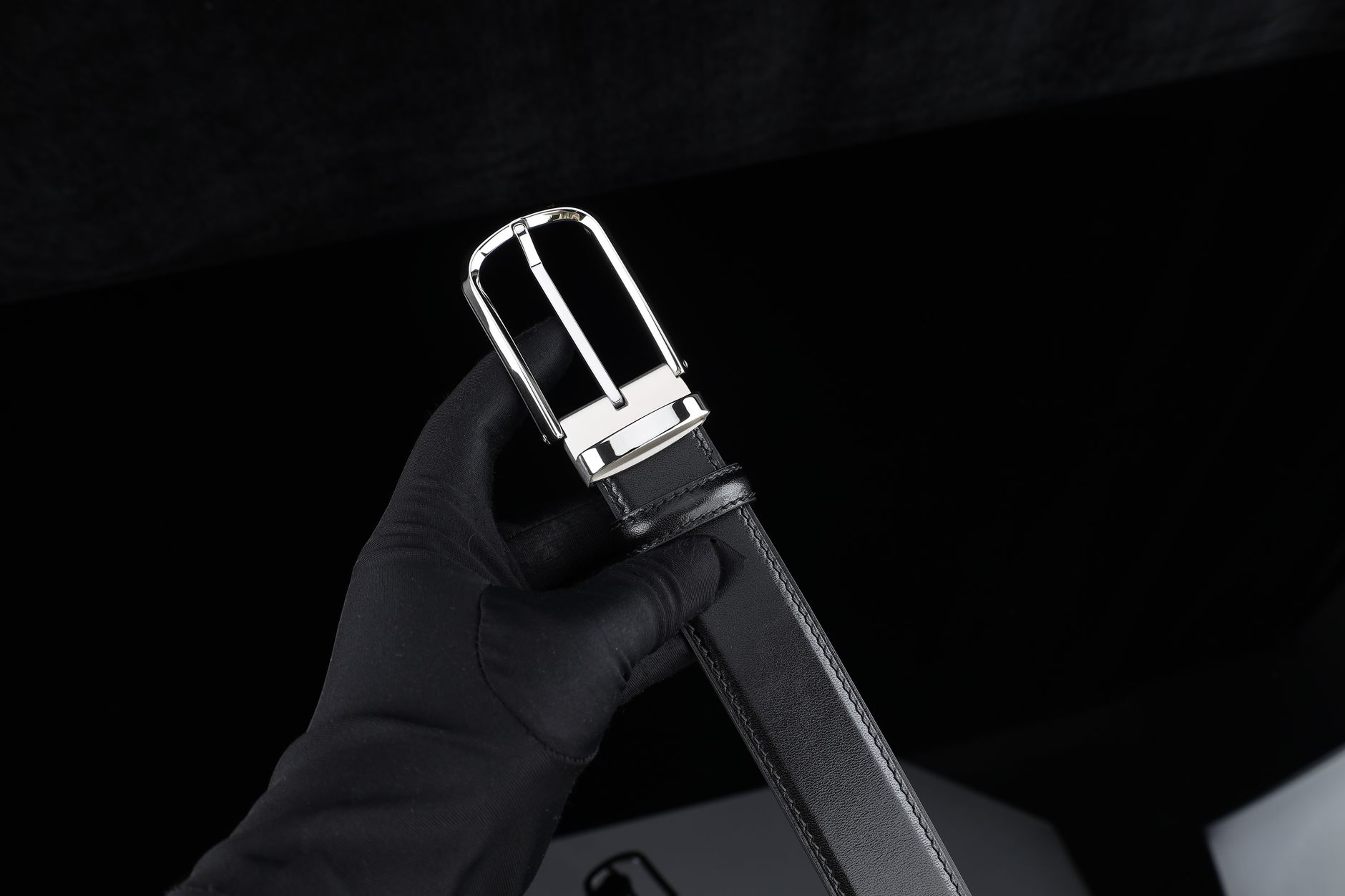
This trend connects naturally to a broader pull toward sport-specific hardware details in tailored accessories – the same instinct that has been driving interest in polo tail guard buckle designs moving into structured belt hardware. Equestrian equipment operates under real mechanical demands, and those demands produce hardware that is over-engineered relative to most fashion applications. That surplus of engineering reads as quality when it arrives on a fashion piece, and the market for that reading is growing.
Who’s Buying and Why It Holds
The consumer driving this shift is not necessarily horse-adjacent. What they share with the equestrian world is a preference for hardware that earns its presence – pieces where every component has a reason to exist, where the construction logic holds up under scrutiny. Saddle keeper loops pass that test because they do something visible and specific: they keep the bag looking right when it’s being worn, not just when it’s sitting on a shelf. That distinction matters more to a buyer spending serious money on a bag than it does to someone buying for logo recognition alone.
The more interesting question is whether the detail retains its appeal once it becomes common enough to be recognized. Right now, the saddle keeper loop on a bag reads as a construction choice, not a trend signal. If enough houses adopt it, it risks becoming the new D-ring – ubiquitous enough to stop meaning anything. The details that survive commodification tend to be the ones where the function is genuinely irreplaceable, and a properly rivet-set, weight-differentiated keeper loop does something a cheaper imitation cannot replicate with the same result.