

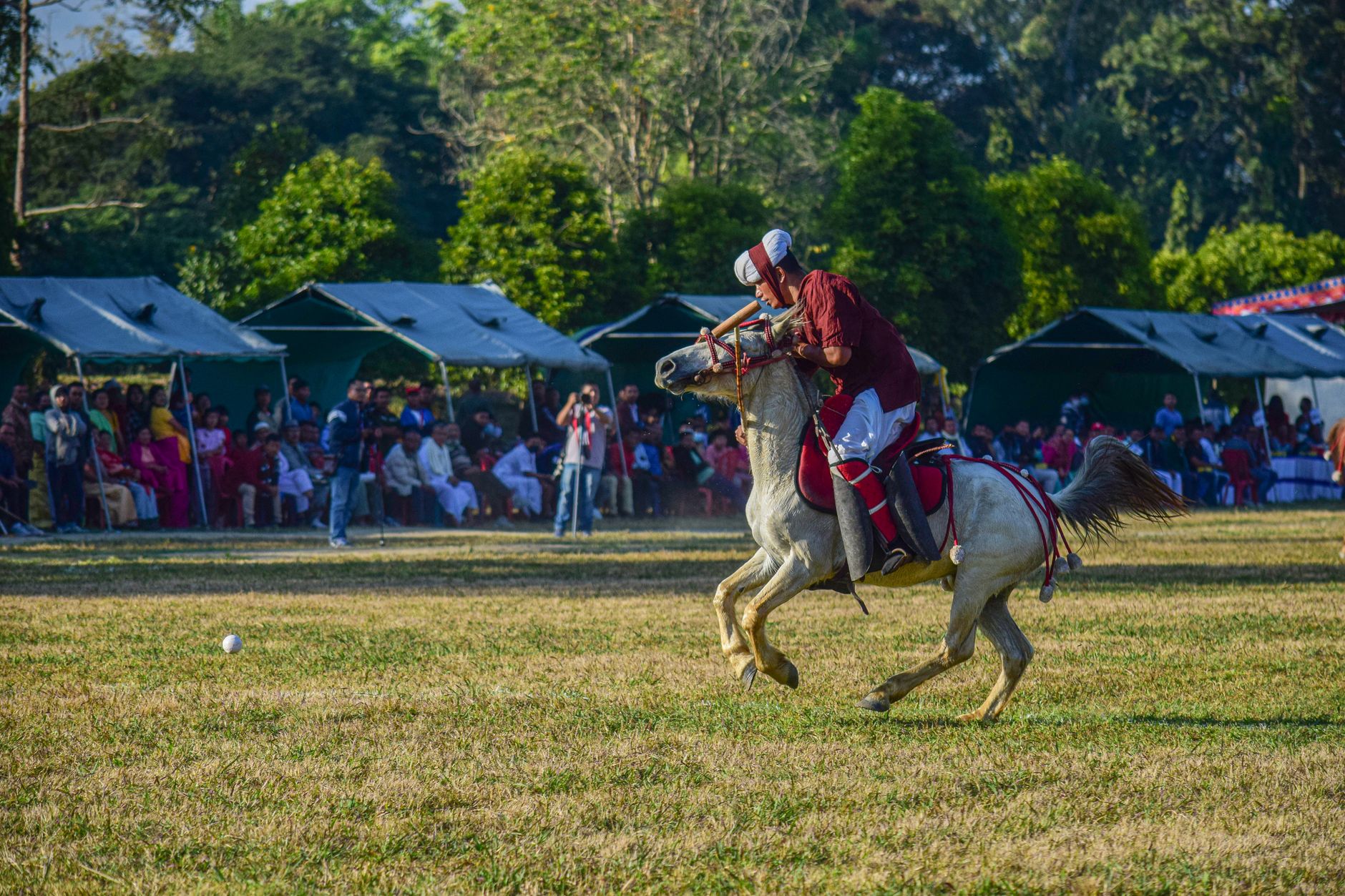
Equestrian sport has always had an unexpected relationship with fashion – and right now, the fly veil, that mesh headpiece designed to keep insects away from a polo pony’s eyes, is finding a second life far from the field. Sheer, structured, and draped with a quiet drama that feels nothing like its agricultural origins, the fly veil silhouette is threading its way into millinery drops that designers are treating as serious headwear, not costume.
From the Paddock to the Runway: How the Fly Veil Crossed Over
The fly veil’s construction – a crocheted or netted cap that sits snugly at the poll and drapes over the ears – translates with surprising elegance into human scale. The tension between structure and softness is built directly into the design. Where a riding hat demands rigidity, the fly veil offers the opposite: a bonnet-like form that yields to the wearer, shifting with movement and light. That interplay is exactly what millinery designers have been chasing for the past several seasons.
Sheer millinery has been building momentum steadily. Net fascinators, illusion brims, and lace cocktail hats have cycled through the pages of Vogue and onto red carpet arrivals for years. What separates the current fly veil-influenced drop from that history is specificity of silhouette. This is not simply “sheer fabric on a hat.” The structure follows the contour of the head in a way that references equestrian utility directly – close-fitting at the crown, falling in a soft cascade at the sides, sometimes finishing with a short drop veil at the forehead or nape.
A growing number of independent milliners are working with open-weave organza, fine cotton crochet, and silk tulle to recreate that form for occasion wear. The ear coverage is often retained – scaled down, softened, but recognizable. It reads simultaneously as bridal, garden party, and something harder to name, which is precisely why it is gaining traction. Fashion tends to reward silhouettes that resist easy categorization.
The polo world itself provides strong visual reference material. Fly veils sold for competition horses come in team colors with embroidery, cord edging, and decorative braid. Those details – the cord trim along the crown, the contrast piping at the ear pieces – have direct analogues in millinery construction. A milliner working with petersham ribbon and French veiling is drawing from the same technical vocabulary, even if neither party would necessarily frame it that way.
The Construction Logic Behind the Trend
Understanding why this silhouette works requires a close look at how fly veils are actually built. A traditional polo fly veil is worked in a dense crochet stitch at the crown, transitioning to a looser open mesh at the ear drops. That gradient – from structure to transparency – is what gives it visual interest and, translated to millinery, what gives it its appeal as a fashion object. The eye travels from a fitted, almost architectural cap down into something that dissolves at the edges.
Millinery drops drawing on this reference tend to preserve that gradient logic. Designers often work the crown in stiffened silk net or fine tatting lace, then allow the drop to fall in softer, unstiffened layers. Some versions use a wire frame to maintain the ear coverage shape before transitioning to a free-hanging veil at the jaw or collarbone. The result borrows directly from fly veil construction without signaling “equestrian” to anyone unfamiliar with the source material. Most wearers and observers simply read it as a beautiful, unusual hat.
Color is where the polo reference tends to be most visible to those paying close attention. Fly veils are traditionally made in white, black, or team-matched block colors, often with a contrasting cord detail at the crown seam. The millinery versions circulating now tend to follow a similar palette – ivory, cream, jet black, occasionally a deep hunter green or navy. Bright color is largely absent, which keeps the aesthetic aligned with formal and occasion wear rather than novelty headwear. The restraint is intentional and it signals a seriousness of intent from the designers working in this space.
The structural relationship to other crossover headwear is worth acknowledging. Structured headwear drawn from institutional and sporting traditions has been making appearances in fashion for several seasons – caps and bonnets with a utilitarian origin being reworked for occasion wear. The fly veil drop sits within that broader movement, though its equestrian specificity and the prominence of the veil element give it a distinct visual identity that separates it from collegiate or athletic cap interpretations.
What makes the fly veil silhouette particularly well-suited to current fashion appetite is its relationship to the face. Veiled millinery in general creates a controlled intimacy – the face is partially obscured, partially revealed, and the drama of that filtering is what draws attention. The fly veil drop frames the face from above and at the sides, directing the eye inward rather than upward. It is a quieter theatrical gesture than a wide brim or a fascinator perched at an aggressive angle, but the effect is no less studied. Worn at the right event, it commands a room without announcing itself.
Wearing the Silhouette: Where It Works
Garden parties, racecourse enclosures, and formal afternoon occasions are the natural habitat for this kind of headwear, and the fly veil drop fits those contexts without strain. The more interesting question is whether it travels beyond them. Some versions – worked in black tulle with minimal embellishment – read as evening wear, particularly paired with a column dress or a structured jacket. The net-and-crochet construction, when executed in fine materials, sits closer to jewelry than to traditional millinery, which opens the silhouette to contexts where a conventional hat would feel heavy or incongruous.

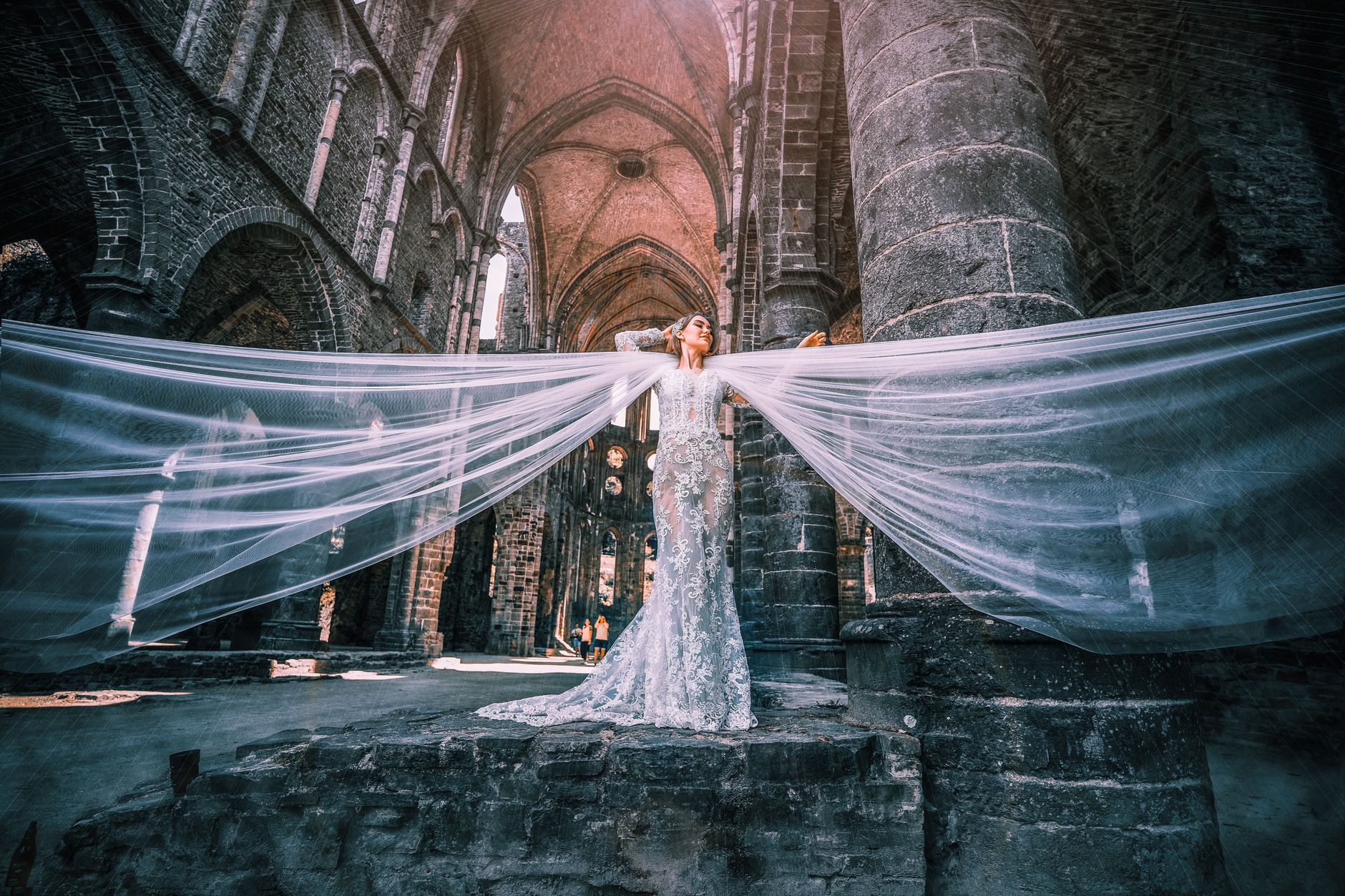
Bridal is the space where this silhouette may find its most sustained audience. The fly veil drop offers something a traditional veil does not: it covers without concealing entirely, structures without stiffening, and carries a romantic specificity that a plain cathedral veil cannot match. For brides who want headwear with visual weight but not the full pageantry of a cathedral train, the fly veil-influenced bonnet presents a genuinely compelling alternative – and one that photographs exceptionally well, given how light plays through open mesh and layered tulle at close range.