

The Sock That Quietly Got Serious
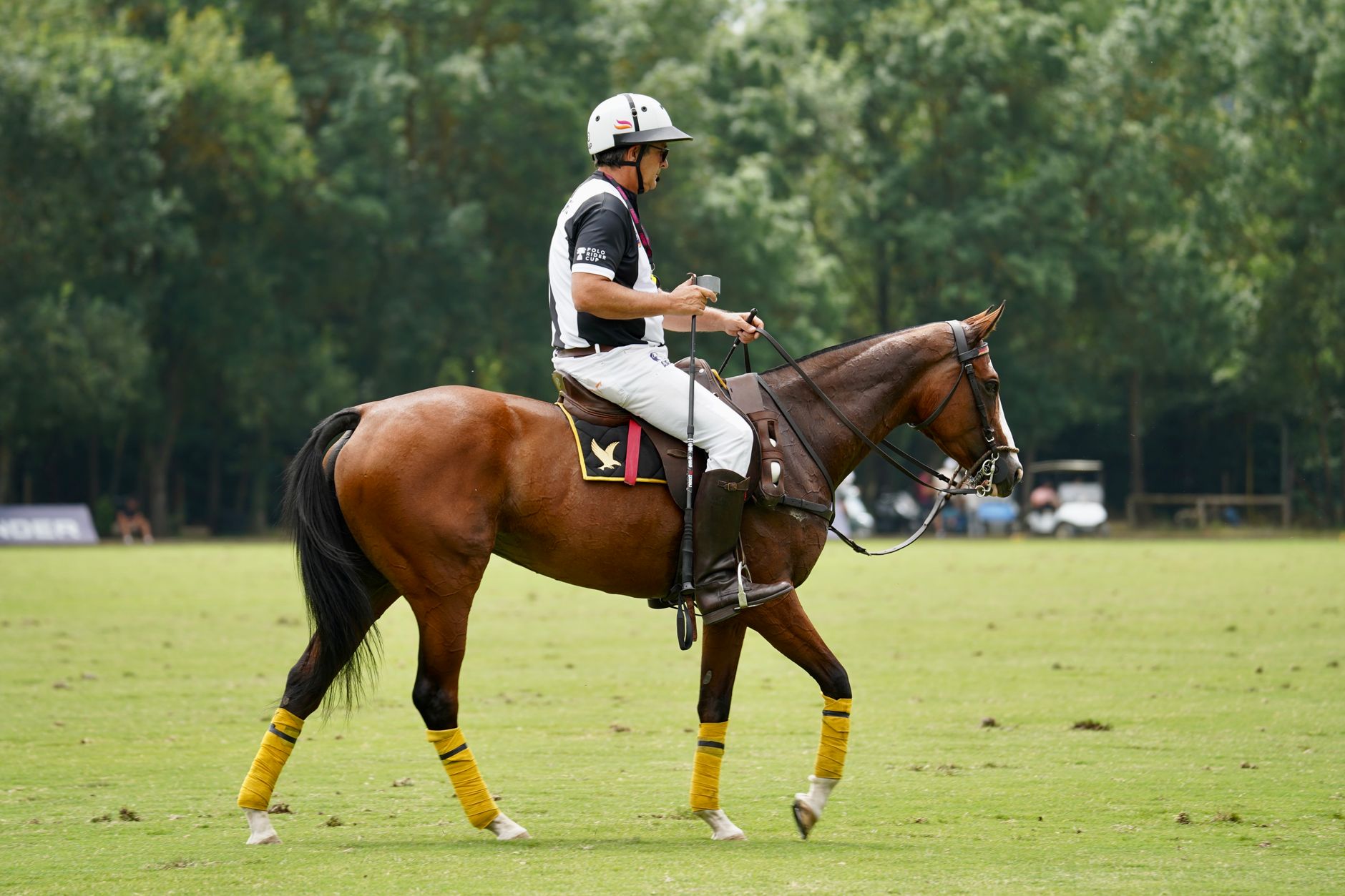
Polo club aesthetics have long carried a specific visual grammar – pressed whites, structured collars, the quiet confidence of a sport played on manicured grass. What has not traditionally belonged in that picture is the sock. For decades, hosiery was the functional footnote of equestrian-adjacent dressing, chosen for grip and durability rather than considered design. That calculus is shifting.
A growing number of luxury hosiery labels are drawing directly from polo club iconography – argyle borrowings, stripe placements lifted from riding silhouettes, and the characteristic knee-high tube shape associated with sport-ready dressing – and repackaging them in cashmere blends, hand-linked toe construction, and price points that sit comfortably alongside fine knitwear.
The sock has become a statement.

Where the Silhouette Comes From
The polo sock’s defining characteristic is proportion. It rises higher than a standard crew, hugging the calf without reaching the full compression-sock territory of athletic performance wear. That mid-calf to just-below-knee length creates a silhouette that reads as both sporty and refined – which is precisely why it translates so cleanly into luxury contexts. When rendered in superfine merino or silk-cotton blends, the shape carries entirely different weight than its field-sport origin would suggest.
Historically, polo players wore plain white or cream hosiery under riding boots, with subtle ribbing for structure. The detailing was minimal by necessity – boots concealed most of it. But contemporary reinterpretations are treating the visible portion of the sock, the few centimeters that show above a loafer or cropped trouser hem, as prime real estate. Tonal stripes at the cuff, embroidered crests near the ankle, and contrast-heel construction are all design moves borrowed from that polo-adjacent vocabulary and applied with considerable craft attention.
The knee-high variation deserves its own discussion. Worn with tailored shorts, wide-leg trousers, or even beneath a skirt, the polo-style knee sock in a luxury fabric occupies a styling register that reads more Continental leisure than athletic. It sits closer in spirit to the considered Italian or British weekend dressing tradition than anything you would see on a field.
Why Luxury Hosiery Is Paying Attention Now
Hosiery as a category has been quietly gaining traction in the broader premiumization conversation around wardrobe basics. The logic is straightforward: as consumers become more deliberate about fewer, better purchases, categories that were previously treated as disposable are getting the same quality scrutiny applied to outerwear or footwear. A sock that costs less than a coffee is being replaced, for some buyers, by a sock that lasts three seasons and gets better with each wash. Polo-derived silhouettes fit this framework because they already carry a heritage coding that signals considered dressing rather than trend-chasing.
The styling shift in menswear has also made room for this. The mainstream acceptance of showing socks intentionally – cropped hems, no-show shoes worn with visible hosiery, the deliberate sock-and-sandal combination – means the sock itself is now being evaluated aesthetically in a way it simply was not a decade ago. When a sock is on display, the construction and silhouette matter. Polo-style proportions photograph well, hold their shape at the cuff, and carry a nostalgic visual familiarity that does not feel costumey.
Womenswear has taken the polo sock shape further still. Styled over opaque tights, tucked into the shaft of an ankle boot, or worn as a deliberate counterpoint to a very tailored trouser, the knee-high polo silhouette is appearing in editorial contexts that treat hosiery as a primary styling decision rather than a background one. The sock is not accessory here – it is architecture.
The Craft Conversation
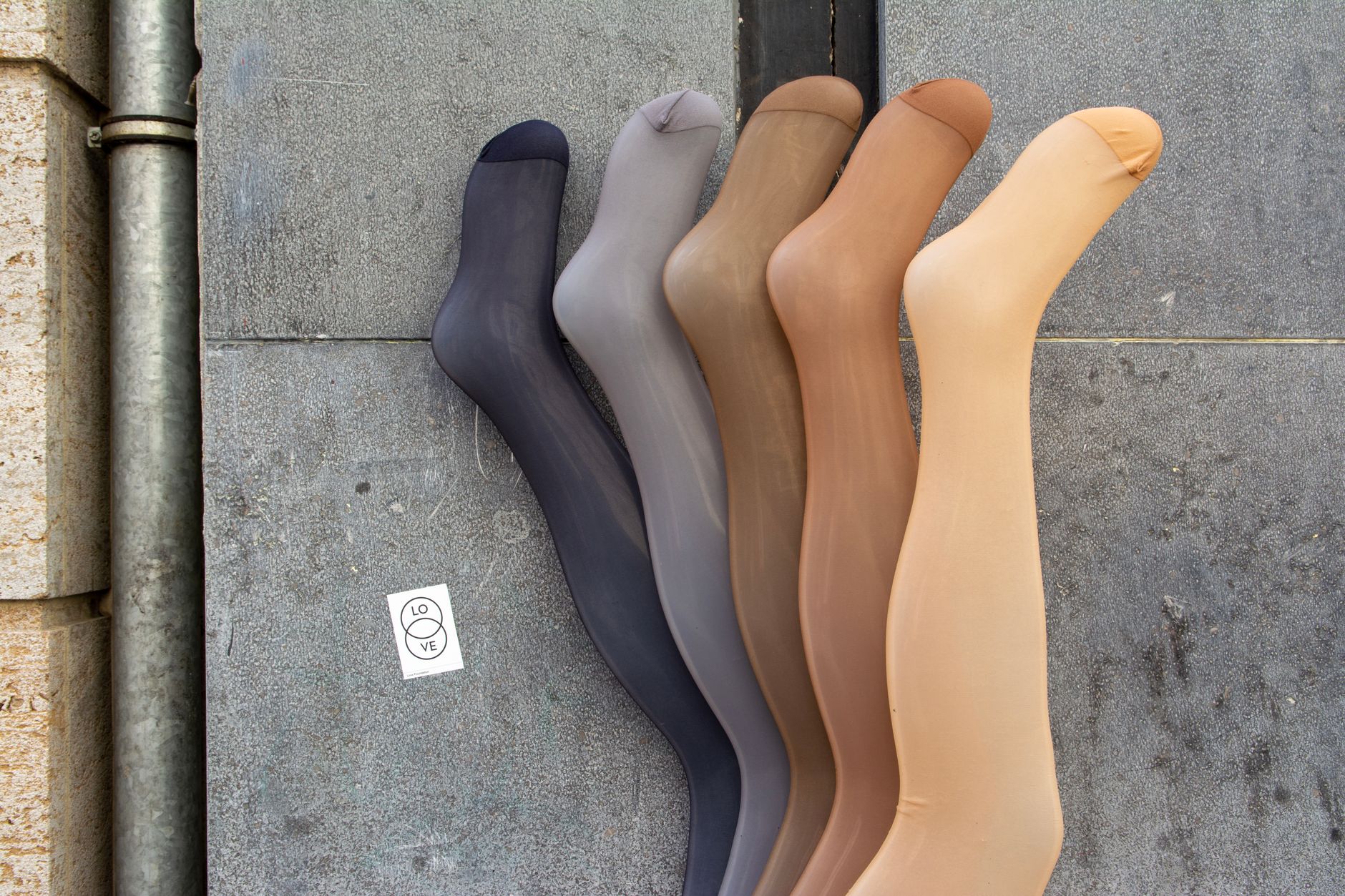
What separates a luxury polo-silhouette sock from a sporting goods version is construction that most wearers will never consciously notice but will physically register. Hand-linking – the process of joining the toe seam stitch by stitch rather than mechanically – eliminates the ridge that causes friction and fatigue over a full day of wear. Reinforced heels in high-twist yarn prevent the premature thinning that turns a good sock into a bad one after a few months. Natural fiber content, particularly in blends that combine merino with a small percentage of silk or cashmere, affects how the garment sits against the skin over hours of movement. These details do not announce themselves. They accumulate.
Some independent hosiery makers have returned to traditional Scottish or Italian mill partnerships specifically to access these construction methods, which were preserved not as luxury innovations but as standard practice in regions where quality hosiery never stopped being treated seriously. The polo club silhouette, with its clean lines and minimal surface decoration, actually makes an ideal vehicle for construction-focused design – there is nowhere for poor craft to hide in a sock that relies on proportion and finishing rather than pattern complexity.
The price ceiling for this category is still being tested. Fine hosiery at a certain tier asks the buyer to accept that a sock is worth genuine consideration – the same mental adjustment required when buying quality leather goods or investment knitwear. Whether that argument fully lands depends on whether the wearer encounters the difference firsthand. A polo-silhouette sock in hand-linked cashmere is, undeniably, a different object than what the name would suggest to someone buying hosiery at a pharmacy. The category is betting that the gap is felt before it is explained.