


When Martial Arts Protection Becomes a Design Language
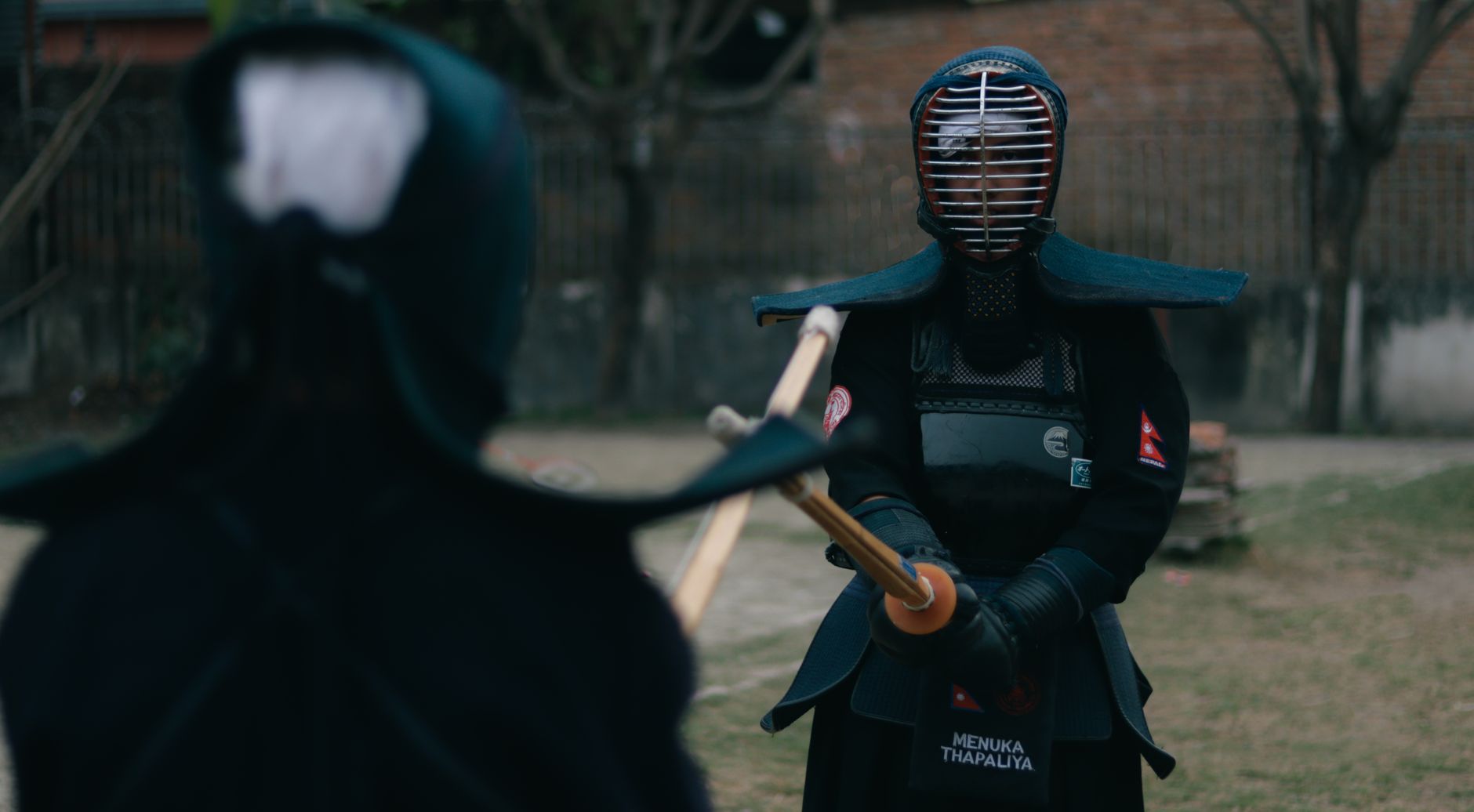
Kendo bogu – the layered, segmented armour worn by practitioners of the Japanese sword discipline – was designed for one purpose: to absorb strikes from a bamboo shinai without compromising the wearer’s movement. The do (chest plate), tare (hip protector), and kote (gauntlets) each carry a distinctive visual grammar of quilted stitching, woven lacing, and structured panel geometry. That grammar is now showing up somewhere unexpected – on the shoulders, torsos, and sleeves of high-concept outerwear collections, worn far from any dojo.
The migration makes a certain kind of sense. Structural outerwear has been pushing toward extreme volume, exaggerated silhouettes, and visible construction details for several seasons. Bogu armour offers a ready-made visual vocabulary for all three. The ribbed indigo-dyed cotton of the men (face guard brim), the densely stitched padding of the do, the horizontal banding of the tare – these are shapes and textures that designers working in oversized technical outerwear have been approximating through other means. Some are now going directly to the source.
The Anatomy of Bogu and Why It Translates
Understanding why bogu cuts work in outerwear requires looking at how the armour is actually built. The do, traditionally made from lacquered bamboo slats or pressed leather, wraps the torso in a curved breastplate that widens at the shoulder and tapers at the waist. That silhouette – broad, protective, slightly convex – is architecturally very close to the boxy structured coats that have dominated runway outerwear for the past two to three years. The lacing that holds the do together, typically a woven cotton cord in white or black, creates vertical and diagonal line detail that reads as deliberate ornamentation when translated into a coat’s construction seaming.
The tare presents an equally strong design prompt. Its three or five rectangular panels hanging from a waist band produce a layered, almost sculptural hip extension. Applied to a long coat, that logic creates statement hems with deliberate segmentation – something a growing number of avant-garde labels are achieving through panel cutting rather than traditional lining. The kote gauntlets, with their reinforced knuckle caps and padded forearm sections, map onto oversized sleeve construction with built-in structure at the cuff. None of this requires direct copying. The silhouette relationships are close enough that drawing from bogu can feel like solving a geometry problem with pre-existing solutions.
How Designers Are Pulling From the Source Material
The approach varies widely depending on the designer’s relationship to the reference. At the more literal end, some emerging labels are working with traditional bogu construction materials – including the dense cotton canvas used in the men brim and the compressed padding of the do interior – and repurposing them as coat body fabric and interlining. The result is outerwear that carries the visual weight of armour without using synthetic technical fabrics. The quilted density reads as protection. The stiffness, which would normally be a design problem, becomes the point.
A more abstracted approach lifts only the silhouette logic. The curved chest plate shape informs the cut of a double-breasted front panel. The segmented tare becomes a tiered hem on a structured wool overcoat. The lacing detail appears as exposed cord stitching along exterior seams. In these cases, someone unfamiliar with kendo might not identify the reference at all – they would simply register the coat as having unusual volume, deliberate geometry, and a strong sense of protection built into its shape. The bogu influence functions as structural scaffolding rather than surface decoration.
This kind of cultural translation sits within a longer tradition of Japanese martial arts aesthetics crossing into fashion. Haori jackets, hakama trousers, and gi-cut silhouettes have all passed through the fashion cycle with varying degrees of fidelity to their origins. Bogu is different from those garments because it is not everyday wear in any context – it exists purely as protective equipment, which makes its design elements more concentrated and more architecturally specific. Designers working with bogu references are not borrowing from daily dress. They are borrowing from a purpose-built object, which changes both the visual outcome and the conceptual framing. That context – outerwear as armour, clothing as shield – carries its own appeal in a design moment that values visible intention.
The structural challenge is real, though. Authentic bogu is heavy, rigid in specific ways, and built to sit on a body that is in active defensive stance. Translating that into a wearable coat means making choices about where to preserve stiffness and where to allow drape. Labels working seriously with this reference are investing in custom interlining constructions – layering canvas, compressed cotton, and occasionally heat-moldable materials to approximate the do’s curved rigidity without the weight. This is technically demanding work that pushes the production cost of a single piece significantly higher than a conventional structured coat of similar dimensions.

The Streetwear and Utility Crossover
Bogu-inflected outerwear is not arriving only through high-concept runway channels. A smaller but distinct current is running through the utility streetwear space, where the armour’s segmented panel construction maps naturally onto the cargo pocket logic and modular attachment systems that define that aesthetic. Here, the tare’s hanging panels become zip-off sections. The lacing detail becomes webbing or paracord attachment. The do’s curved chest plate becomes a detachable front panel with interior storage. The bogu influence in this context is functional as much as visual.
What connects the runway application and the streetwear interpretation is the underlying premise that outerwear should communicate its structural intention visibly. Both approaches reject the idea that a coat should look effortless. The construction is meant to show. That shared premise is why bogu, with its entirely external, highly geometric construction, works as a reference across such different price points and aesthetics.
Material Choices and the Question of Authenticity
The most considered versions of this trend are engaging directly with the materials that define bogu’s visual identity. Indigo-dyed cotton – particularly the tightly woven, slightly stiff variety used in traditional men construction – is appearing as outerwear shell fabric, chosen specifically for its visible texture and the way it develops patina with wear. Compressed cotton padding, equivalent to the do’s interior shock absorption material, is being used as visible exterior quilting rather than hidden interlining. These choices are not purely aesthetic. They connect the garment back to a specific craft tradition in a way that synthetic alternatives cannot replicate.
Some designers are also working with traditional Japanese dyeing and weaving suppliers to source materials that are historically connected to bogu production. This is a longer, more expensive sourcing chain than standard fabric procurement, and it limits production volume significantly. The scarcity that results is partly by design – these are not pieces intended for wide distribution. The trade-off is a product with genuine material provenance, which matters increasingly to the buyer segment these labels are targeting.
The more pressing creative tension is whether the protective function of bogu – its entire reason for existing – can carry meaning in a garment that protects against nothing in particular. Armour repurposed as fashion inevitably loses its original purpose. What remains is the language of protection: the suggestion of structure around a body that could be vulnerable, the visible declaration that this garment takes its role seriously. Whether that suggestion constitutes a meaningful reference or simply an aesthetic raid is a question each designer resolves differently, and each buyer evaluates on their own terms when they put on a coat that was built, at least in part, to look like it could take a hit.