

The Sport No One Watched Is Now Driving What Everyone Wants to Wear
Pelota basque is a family of handball sports played across the Basque Country for centuries, defined by speed, wall courts, and a particular kind of hand protection that prioritizes grip, protection, and articulation over everything else. The gloves used in the sport – thick-palmed, open-backed, built for rapid contact with a rubber ball traveling at serious velocity – are not designed with aesthetics in mind. That makes what is happening in avant-garde handwear right now all the more interesting.
A growing number of independent designers and small-batch accessory labels are reaching into niche athletic archives, and pelota basque gloves have become a quiet reference point in recent drops. The appeal is not nostalgia. It is structure.
The gloves carry a visual logic that fashion rarely produces on its own: a blunt, utilitarian silhouette with almost surgical intentionality in how material is distributed across the hand. No decorative stitching, no branding flourishes. Just the shape of function.
Why This Shape Works Now
Fashion has been circling athletic archives for years, but the conversation has largely stayed at the level of jerseys, shorts, and footwear. Handwear has lagged, partly because gloves carry strong occupational associations – surgery, labor, sport – that can overwhelm a look rather than anchor it. What pelota basque gloves offer is a way around that problem. Their silhouette is unfamiliar enough to read as designed rather than functional, even when the functional origin is exactly the point.
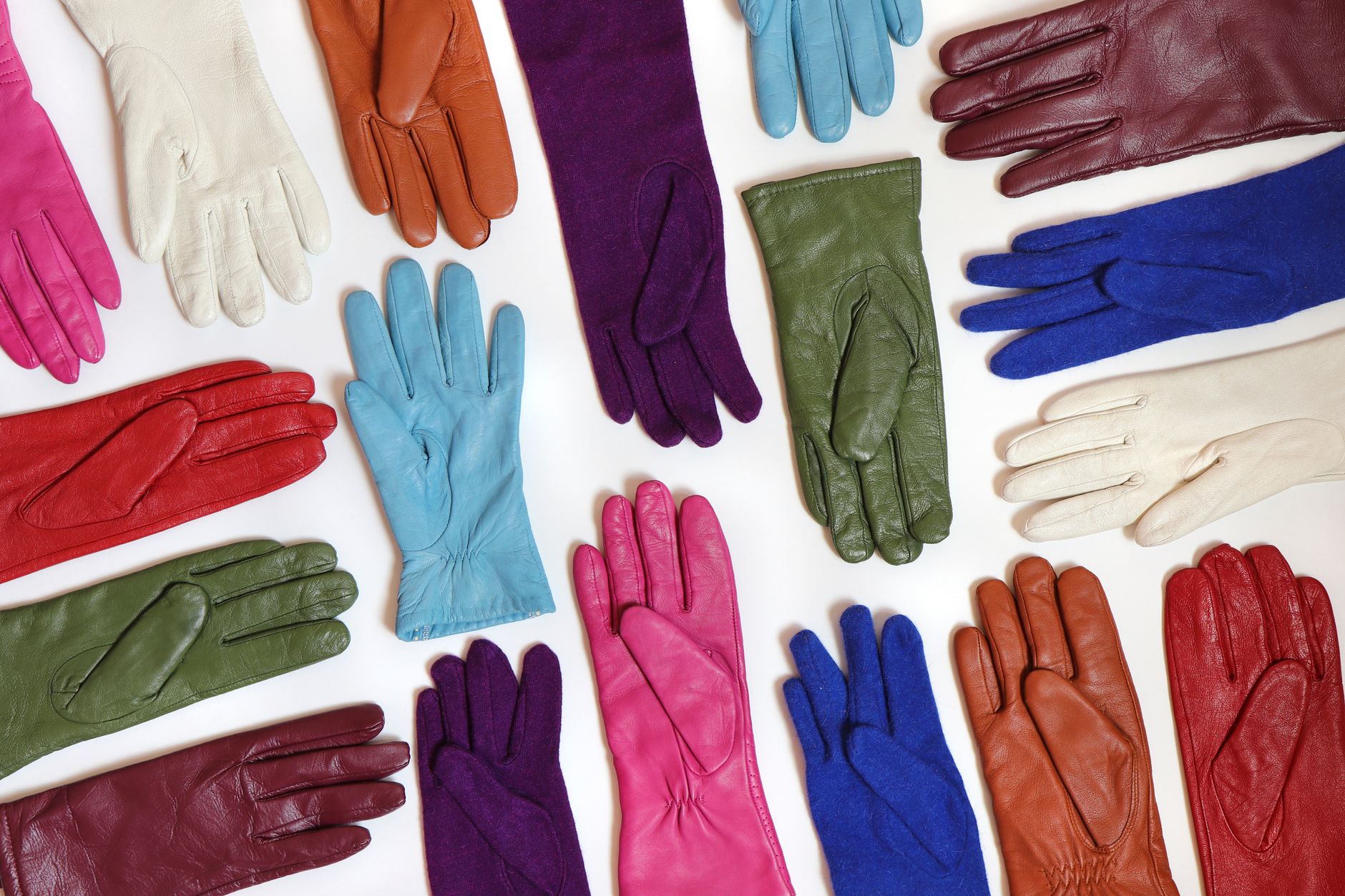
The open-back construction is particularly relevant right now. Designers working in textured leather and technical fabrications have been experimenting with partial coverage for several seasons – gloves that expose the knuckles, the wrist, or the top of the hand while protecting the palm. Pelota gloves do this by necessity, because the game requires tactile sensitivity in the fingers and wrist mobility for striking. Fashion is borrowing the outcome without needing to explain the reason. The result lands as deliberate asymmetry, a choice that reads as confident rather than half-finished.
There is also the question of material density. Traditional pelota gloves use heavy vegetable-tanned leather on the palm, reinforced at the strike zone, with softer construction elsewhere. That gradient of hardness across a single piece of handwear is difficult to achieve and immediately apparent when you hold one. Designers drawn to craft-forward production – the kind of labels that talk about hand-lasting and tannery sourcing in their press materials – find this construction genuinely useful as a template. It justifies the price point and delivers something the wearer can actually feel.
How Labels Are Translating the Reference
The translation from sport to fashion rarely involves direct copying. What happens instead is that a design team encounters the source object – through archive research, through a trip, through a collector – and extracts one or two structural principles to carry forward. With pelota gloves, the principles being extracted most consistently are the palm-forward weighting, the abbreviated finger coverage, and the absence of decorative detail on the dorsal surface.
Some drops have pushed the palm reinforcement into sculptural territory, using rigid inserts or layered panels that give the hand an almost architectural quality when worn. Others have gone the opposite direction, keeping the construction extremely close to the original but elevating the material – switching out stiff utility leather for hand-dyed nappa or vegetable-tanned calf. The sport-coded silhouette reads differently in a finer material, but the shape still carries the reference for anyone who recognizes it. This kind of layered legibility – obvious to some, invisible to others – is exactly what drives interest in niche athletic sources.
This pattern of pulling obscure sport equipment into fashion drops has been showing up across categories. Hurling jerseys have gone through a similar process, with their dense stitching and regional specificity attracting designers looking for visual texture outside mainstream athletic references. Pelota gloves operate in the same register – specific enough to feel like research, wearable enough to justify the development cost.

What Stays When the Trend Moves On
The gloves that survive beyond a single seasonal drop will not be the ones that shout their source material. The pieces gaining real traction with buyers who return to them are the ones where the pelota reference has been absorbed deeply enough that the glove works on its own terms – as a handwear object with a clear point of view on coverage, weight, and palm construction. The sport is the starting point, not the pitch. And for designers who understand that distinction, the archive still has material left to work with.