

The Equestrian Detail Rewriting Sandal Design
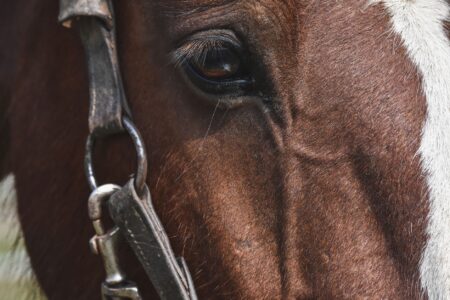
Stirrup leather keeper slots – the small, precise openings found on polo club tack that hold leather straps flush against the saddle – have found an unlikely second life in footwear. Designers working in minimalist sandal construction are borrowing this functional mechanism directly from equestrian equipment, using it to eliminate bulk at the strap junction and create a cleaner, flatter line across the foot. The result is a silhouette that looks almost architectural: no visible buckle hardware, no stacked layers of leather, just a thin band of material threading through itself with quiet precision.
What makes this crossover worth paying attention to is that it isn’t a stylistic nod to equestrian culture – it’s a structural loan. The keeper slot as it exists in polo leatherwork was designed to solve a specific problem: keeping a secondary strap contained without adding thickness or hardware. Sandal designers are solving the same problem. A strap that loops and locks through a slot rather than over a post or around a buckle sits closer to the foot, distributes tension more evenly, and requires less material overall. That functional logic is exactly what minimalist footwear has been searching for.
How the Mechanism Actually Works
On a traditional stirrup leather, the keeper slot is a narrow cut in the main strap that allows a secondary tongue of leather to pass through and lie flat. Nothing protrudes. Nothing rattles. The connection is strong because the slot creates friction across a wider surface area than a single prong ever could. When translated to a sandal, the same principle applies: the strap end feeds through the cut opening, folds back on itself, and is held by tension alone. No metal required.
This matters enormously for the minimalist sandal category, where the conventional wisdom has long been that you need hardware to make a sandal functional. Buckles, rivets, D-rings – these have been treated as necessary evils, things you tolerate for the sake of adjustability. The keeper slot method challenges that assumption directly. Adjustability can be built into the slot position itself, with multiple cuts spaced along the strap, or the slot can be sized to create enough friction that the fit holds firm across a range of foot widths. Several small footwear labels are now experimenting with both approaches simultaneously.
The leather weight required for this construction is also notably lower than what buckle-based sandals demand. Buckle hardware needs a strap thick enough to withstand repeated stress at a single point – the prong hole. Keeper slot construction distributes stress across the full length of the slot, which means designers can work with thinner, more supple leather without sacrificing durability. Thinner leather drapes differently on the foot. It conforms faster, breaks in without a painful adjustment period, and photographs with a softness that heavier leatherwork simply doesn’t produce.
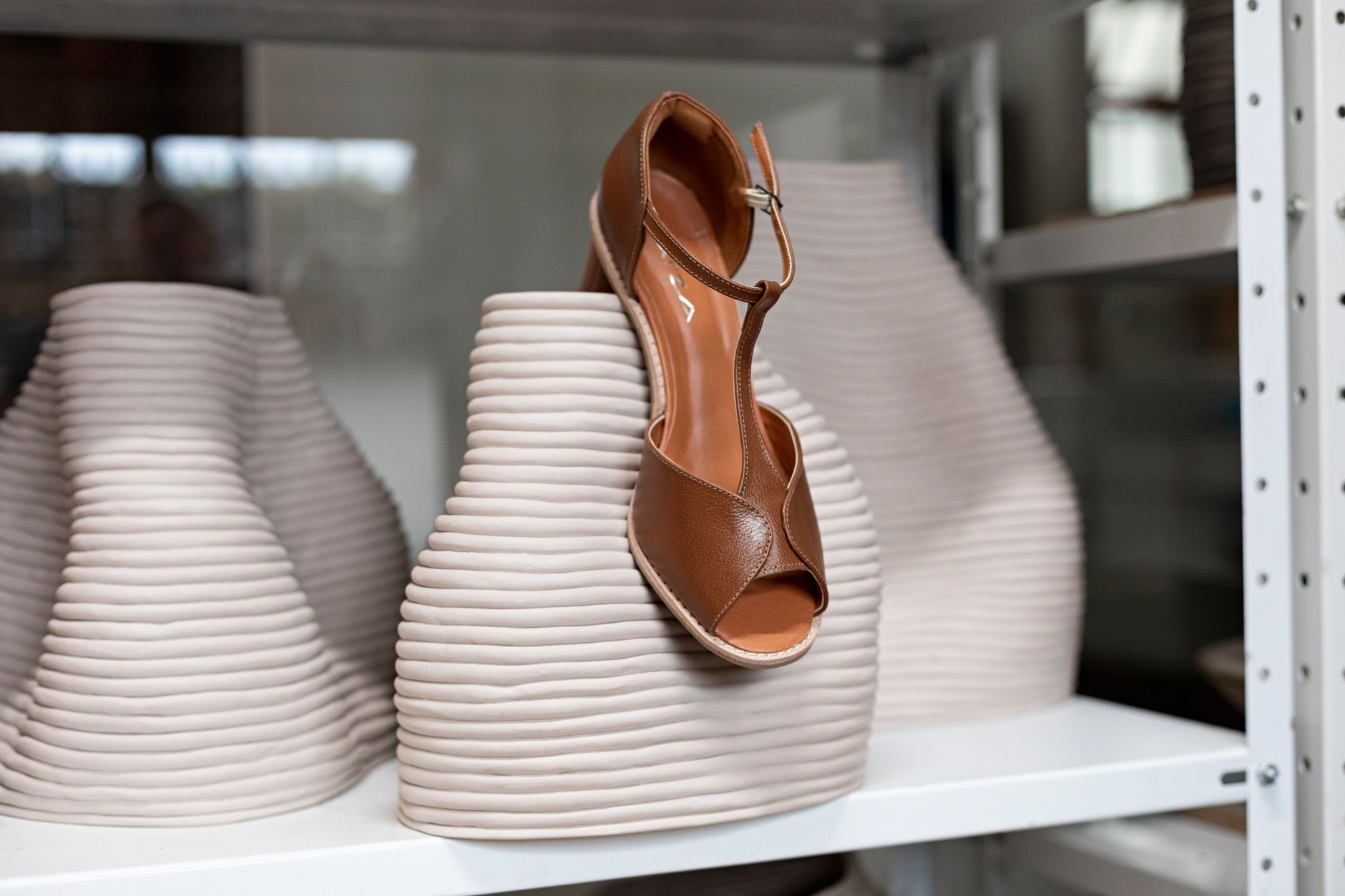
The visual payoff is cleaner than almost any other strap construction method available. Photographed from above, a keeper-slot sandal looks like a single continuous ribbon – no interruptions, no hardware catching the light, no excess tab of leather folding away from the foot at an odd angle. That quality is increasingly difficult to achieve through conventional sandal construction, which is why the equestrian solution is drawing real attention from designers who have spent years struggling to get the strap line exactly right.

Where Minimalist Sandal Design Was Already Heading
The appetite for hardware-free footwear has been building steadily as the broader minimalist movement in fashion has pushed away from decorative metal detailing. The sandal category lagged behind ready-to-wear in making this transition – largely because footwear engineers defaulted to the same buckle systems used for decades, and because switching construction methods mid-production run carries real cost. But consumer pressure for cleaner profiles has accelerated the search for alternatives, and the keeper slot arrives at exactly the right moment.
There’s also a tactile argument. Metal hardware on sandals conducts heat in summer and cold in cooler transitional weather. A fully leather construction – strap, slot, and all – stays closer to body temperature and feels noticeably different against bare skin. That sensory dimension isn’t trivial in a category where comfort and the feeling of wearing something almost nothing are central to the appeal. The keeper slot, by removing the hardware entirely, allows the leather itself to be the only thing the wearer feels.
The Craft Dimension
Cutting a keeper slot cleanly is not a beginner’s task. The opening needs precise dimensions – too wide and the secondary strap won’t hold, too narrow and the leather distorts when the strap is pulled through. In polo tack, this cut is made with a specialized punch and finished by hand to prevent fraying at the edges. Small sandal makers adopting this construction are discovering they need similar tooling and similar patience. It isn’t a technique that scales easily to mass production, which is part of why it has remained confined to independent labels and limited runs.
That production constraint may actually be protecting the detail from becoming another fast-fashion shortcut. A punched keeper slot done correctly in vegetable-tanned leather looks completely different from a die-cut approximation in bonded material. The hand-finishing step – burnishing the slot edges so they stay smooth under repeated use – is the difference between a detail that lasts years and one that starts fraying within a season. Brands willing to invest in that finishing step are signaling something about their production values that goes well beyond the slot itself.
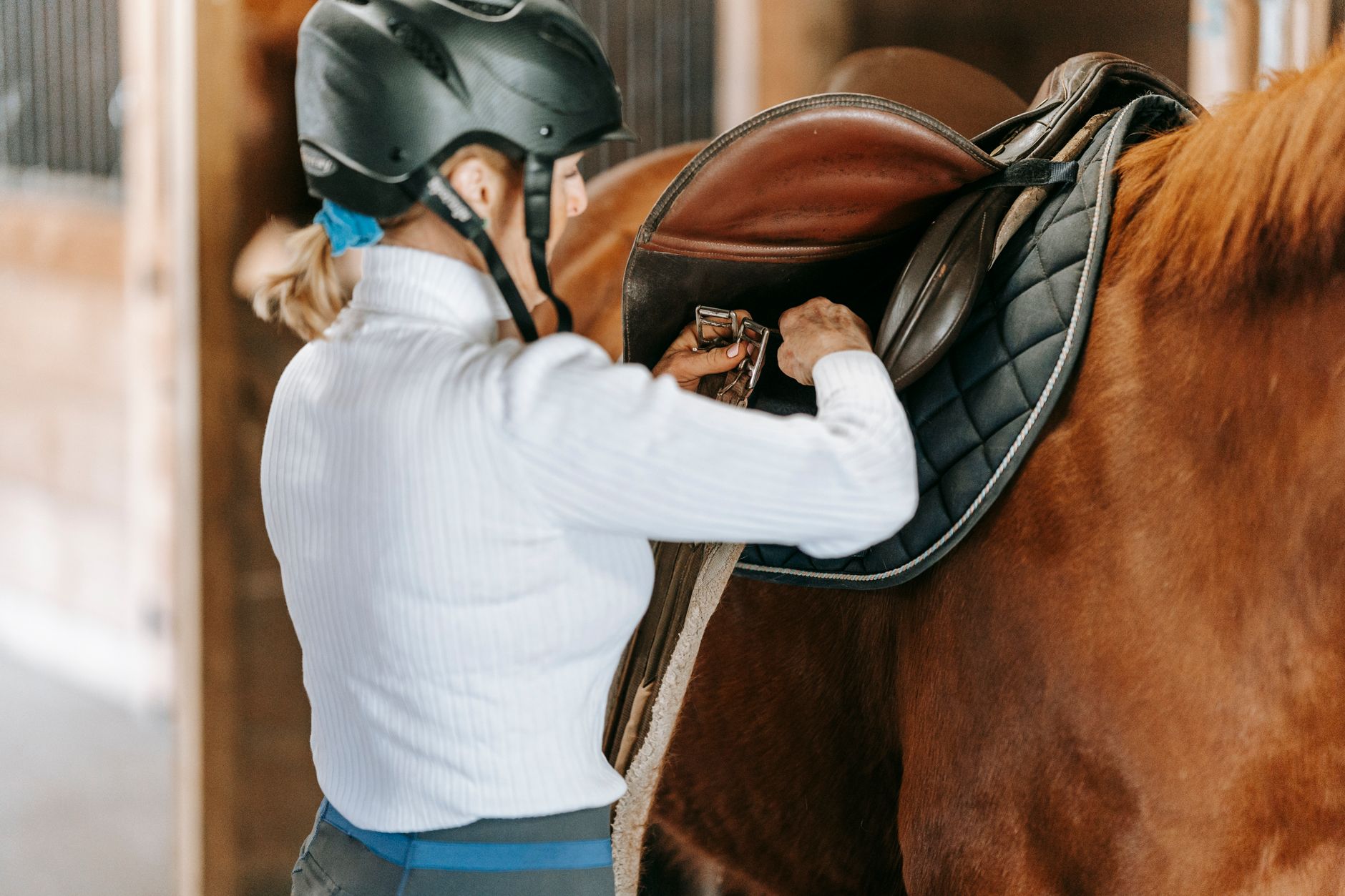
The connection to equestrian craft also gives the detail a certain referential weight that purely invented construction methods don’t carry. Polo tack has been refined over generations to withstand conditions far more punishing than a cobblestone street or a poolside terrace. Borrowing from that tradition isn’t just aesthetic – it’s a bet on a proven engineering principle. The brands leaning into keeper slot construction are, consciously or not, inheriting that history. Whether sandal buyers will notice the reference or simply appreciate the cleaner line is an open question, but the design conversation has already shifted toward asking it.