

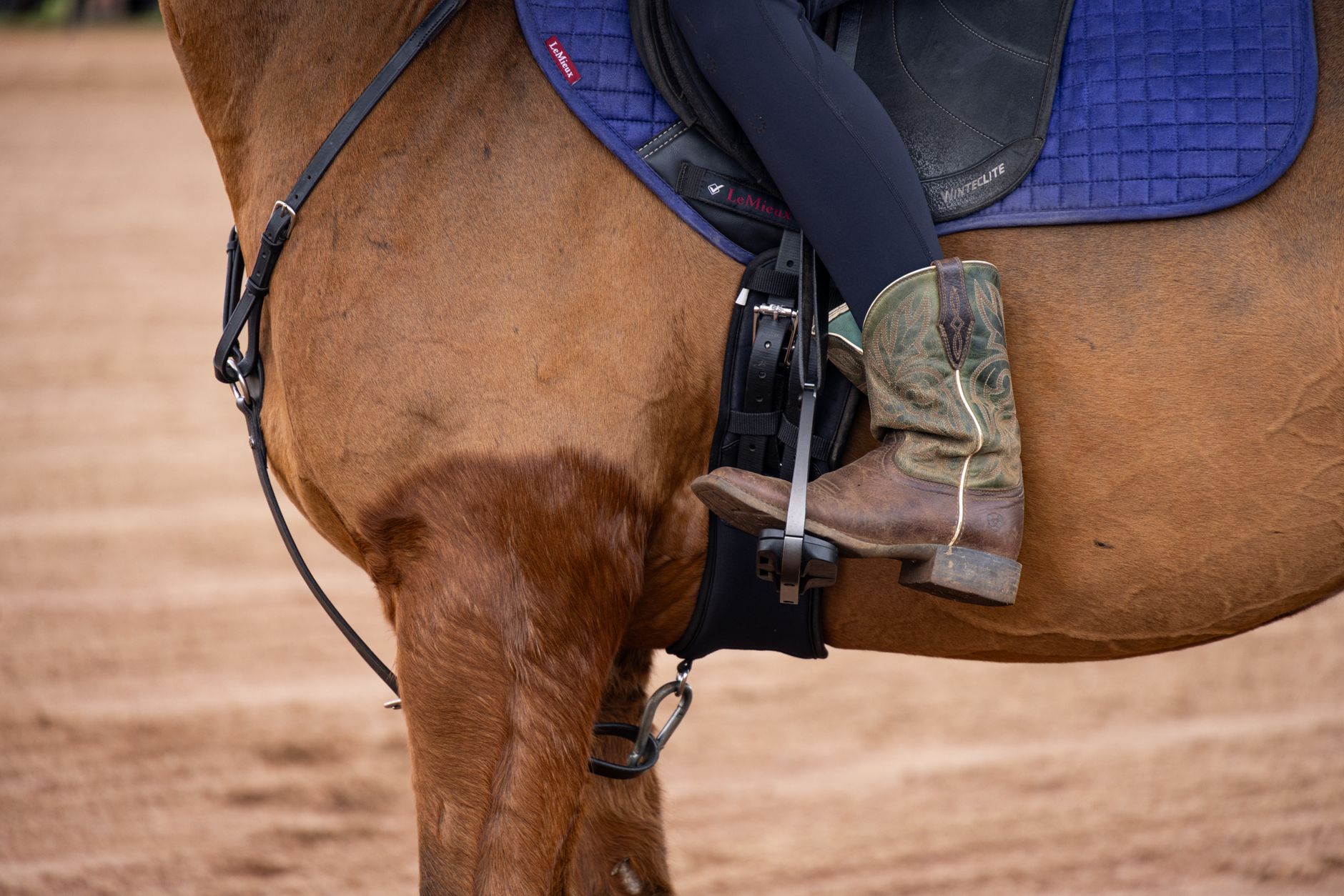
Stirrup straps – the slim, functional leather loops that keep a polo saddle secure during a match – have spent most of their history invisible to anyone outside the equestrian world. That’s changing. A quiet wave of accessories designers and leather goods labels are translating this narrow, hardware-forward silhouette directly into belt design, and the result lands somewhere between utilitarian workwear and high-fashion restraint.
The Anatomy of a Stirrup Strap and Why It Translates So Well
A stirrup strap is built around a single function: hold weight cleanly without adding bulk. Traditional versions run narrow – often no wider than three-quarters of an inch – with a plain buckle, minimal stitching, and leather that’s meant to break in over years of use rather than announce itself on day one. There’s no decorative embossing, no logo plate, no double-prong hardware designed to catch the eye. The whole point is structural efficiency.
That same construction philosophy maps cleanly onto what minimalist fashion has been chasing for the past several seasons. Where belt design spent much of the 2010s stacking up logo hardware and wide woven panels, the current appetite runs toward objects that look like they were made to do exactly one thing – and do it quietly. A stirrup-inspired belt fits that brief without requiring any translation. The proportions are already right. The hardware is already restrained. The leather – typically a firm, smooth vegetable tan – already reads as elevated without trying.
The buckle detail is where most of the design conversation lives. Polo stirrup straps use a squared or slightly rounded single-bar buckle, often in nickel or brass, with none of the chunky roller-bar hardware common on casual belts. When that buckle appears on a trouser belt at a fashion presentation, it reads as considered rather than borrowed. The reference is legible to anyone who knows equestrian gear, but it doesn’t require that knowledge to work visually.
Leather weight is the other factor driving designer interest. Stirrup straps are cut from bridle leather or a comparable firm hide, which means they hold their shape across the waistband without collapsing into the loops. For tailored dressing – slim trousers, structured trousers, even high-waisted skirts – that firmness is a feature, not a limitation. A belt that sits flat and stays flat through a full day of wearing is genuinely harder to engineer than it looks.
How the Silhouette Is Moving Through Fashion Right Now
The stirrup strap belt is arriving through several channels at once. Some small leather goods studios – many of them based in cities with active equestrian communities, like London, Paris, and Buenos Aires – have been making close translations for years, marketing them primarily to riders who wanted something they could wear off the horse. Those pieces are now reaching a broader audience because they’re being discovered by stylists and editors looking for accessories that don’t rely on branding to communicate quality.
A second channel is the heritage workwear revival. Designers pulling from early twentieth-century ranch and sporting dress have found stirrup strap hardware and proportions already embedded in that reference material. A slim leather belt with a plain brass buckle and a keeper stitched close to the tongue is both historically accurate for that period and visually current in a way that feels earned rather than trend-chasing. The equestrian read is present, but it sits underneath the workwear read rather than competing with it. This layered reference is exactly what gives the silhouette staying power.
The color story matters here too. Polo stirrup straps historically come in dark havana brown, black, or a natural tan that deepens with use. Those three colors are also the default palette for serious minimalist dressing, which means a stirrup-inspired belt doesn’t require the wearer to build an outfit around it – it fits into what’s already there. A black version disappears into a black trouser. A tan version grounds an otherwise neutral outfit with one warm note. Neither asks for attention in a way that disrupts proportion.
Width is where the trend diverges slightly from direct replication. Pure stirrup straps run very narrow – sometimes almost cord-like in their slimness. Fashion adaptations are landing at a slightly wider quarter-inch to half-inch increase over the source material, which reads better on modern trouser proportions without losing the sleek line that makes the original appealing. A few labels are experimenting with a tapered cut, wider at the back and narrowing slightly at the front buckle, which adds a subtle visual interest that the flat strap doesn’t have on its own.
This is also a trend that’s moving across gender dressing without friction. The stirrup strap has no coded gender in its original context – it’s a piece of gear, and gear doesn’t dress anyone. When it arrives as a belt, it carries that same neutrality. Menswear and womenswear are adopting the same silhouette, the same hardware, and largely the same colors. The styling diverges – tucked-in shirts versus blazers worn open, for instance – but the object itself doesn’t change. That’s relatively rare for an accessories trend, and it’s part of why it’s spreading without requiring separate design tracks for different markets. Other equestrian details are following a similar path: polo club brow bands are moving into minimalist headband design on the same gender-neutral logic.
What This Means for How You Build a Belt Wardrobe
The practical case for a stirrup-inspired belt is straightforward. A narrow leather belt with clean hardware and a firm hide works across more dressing scenarios than almost any other single accessory – with a suit, with jeans, with tailored shorts, with a high-waisted skirt. Buying one well-made version in black or dark brown covers more ground than three mediocre belts in trend colors. The construction principles that make stirrup straps last through years of equestrian use – reinforced stitching, quality hide, a buckle pin that doesn’t loosen with repeated use – are the same ones that make a belt worth keeping for a decade.
The question worth sitting with is whether the fashion adoption accelerates fast enough to push the silhouette into mass market production, which would inevitably soften the hardware and thin the leather to hit a lower price point. That process tends to strip out exactly the details – the buckle weight, the hide firmness, the tight keeper – that make the original worth owning. For now, the best versions of this belt are still coming from small leatherworkers and heritage saddlery labels who haven’t changed their construction for the trend, because they never needed to.