

The Fabric With a History That’s Finding New Ground
Whipcord – the tightly twisted, diagonal-ribbed fabric long associated with riding jodhpurs, military uniforms, and the manicured lawns of polo clubs – is quietly making its way into tailored trousers collections on both sides of the Atlantic. It is not arriving with fanfare or a headline runway moment. It is arriving the way durable things usually do: through the hands of designers who recognize that structure, when woven into the cloth itself, does something no interfacing can replicate.
The appeal is easier to understand once you feel the fabric. Whipcord has a natural rigidity that holds a trouser crease without steaming and resists the bagging at the knee that plagues lighter wools. It is a working fabric that looks polished – which is precisely why the polo world adopted it decades ago, and precisely why tailoring is circling back to it now.
Where the Fabric Comes From and Why It Holds Up
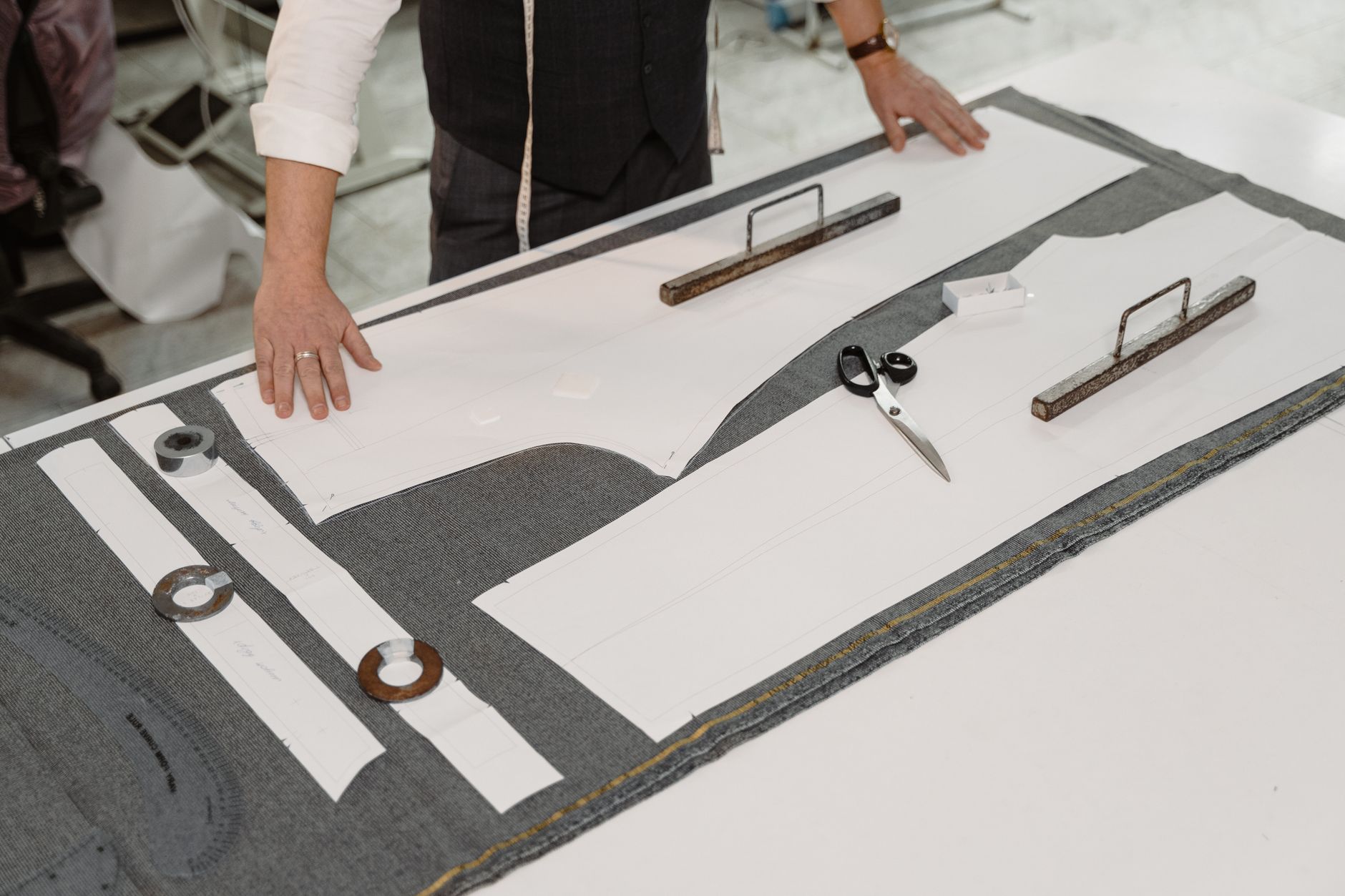
Whipcord gets its name from the cord used in whips – a tight, high-tension braid that resists fraying under repeated stress. The textile version replicates that logic through a steep twill weave, typically at a 63-degree angle, which creates the fabric’s signature raised diagonal ridge. That construction compresses the fibers more densely than a flat weave, which is why whipcord trousers wear longer and hold their shape under conditions that would distort a standard worsted.
Polo clubs made the fabric their own not for aesthetic reasons, but functional ones. Riders needed trousers that could withstand contact with saddle leather, mallet grips, and the physical demands of competitive play without collapsing after a single match. The fabric survived because it performed. What’s interesting now is that tailoring is taking that same performance logic and applying it to a context where performance means something different – not endurance under equestrian stress, but the ability to look pressed at 6 p.m. after a full day of meetings.
How It’s Being Translated Into Modern Tailoring
The silhouettes carrying whipcord right now are not the breeches of a polo pitch. Designers are cutting the fabric into straight-leg and slightly tapered trousers with a high-to-mid rise, often pairing them with clean, unlined blazers in contrasting textures. The diagonal rib of the whipcord reads as detail without trying to be decorative – it gives the trouser visual interest that a flat flannel or plain gabardine simply cannot offer at the same weight.
Color is where the polo heritage becomes most visible. Olive, tan, chocolate brown, and a particular shade of dusty navy appear repeatedly – all tones that reference the field and the clubhouse without making the reference explicit. A well-cut pair of whipcord trousers in camel or forest green reads as refined without reading as costumed. That distinction matters when a fabric has as specific a cultural signature as this one does.
Some designers are also working with whipcord blends rather than the traditionally pure wool construction. Mixing in a small percentage of synthetic fiber reduces the weight and increases breathability, which addresses one of the fabric’s historical limitations: it ran warm. The blended versions retain the rib structure and the crease resistance while opening the fabric up to warmer months – a practical adjustment that expands its commercial range without compromising what makes it distinctive in the first place.
The styling language around whipcord trousers leans toward a kind of studied simplicity. A tucked-in cream Oxford shirt, a fitted rollneck, or a lightweight merino crewneck all work because they let the texture of the trouser carry the visual weight. Overloading a whipcord silhouette with competing patterns or heavy knitwear flattens what makes the fabric interesting. The trouser is the point – everything above it should acknowledge that.

The Trouser as the Statement Piece
There is a broader logic at work here that goes beyond one fabric. Tailoring has been moving away from the suit as a unit and toward the individual component – the trouser, the blazer, the waistcoat – as a standalone investment. Whipcord trousers fit that model well because they pair across categories. They work with a tailored jacket, but they also work with a structured knit or a simple shirt left untucked. Their formality is adjustable in a way that a pinstripe trouser’s is not.
That versatility is part of what makes the fabric relevant beyond its heritage associations. A whipcord trouser is not asking to be dressed up or down in the self-conscious way those phrases usually imply. It simply holds its ground in multiple contexts, which is what a trouser made from a performance fabric was always designed to do.
What to Look for When Buying
Not all whipcord is made the same way. The angle of the twill, the weight of the yarn, and the tightness of the weave all affect how the fabric performs and how it ages. A trouser labeled as whipcord should have a clearly visible diagonal rib – if the texture is subtle to the point of looking like a standard twill, the construction is likely lighter than the original. For a trouser you intend to wear regularly, a weight between 280 and 340 grams per meter is a reasonable range: substantial enough to hold structure, light enough to move in.
Fit matters more with whipcord than with softer fabrics because the cloth does not yield or drape around the body the way a flannel does. A trouser that is too tight across the seat or thigh will pull against the rib and look strained rather than sharp. The fabric is unforgiving of poor fit in a way that punishes compromise. A tailor who knows the cloth will cut with slightly more ease than you might expect, knowing that the structure of the weave will take up some of that room during wear.
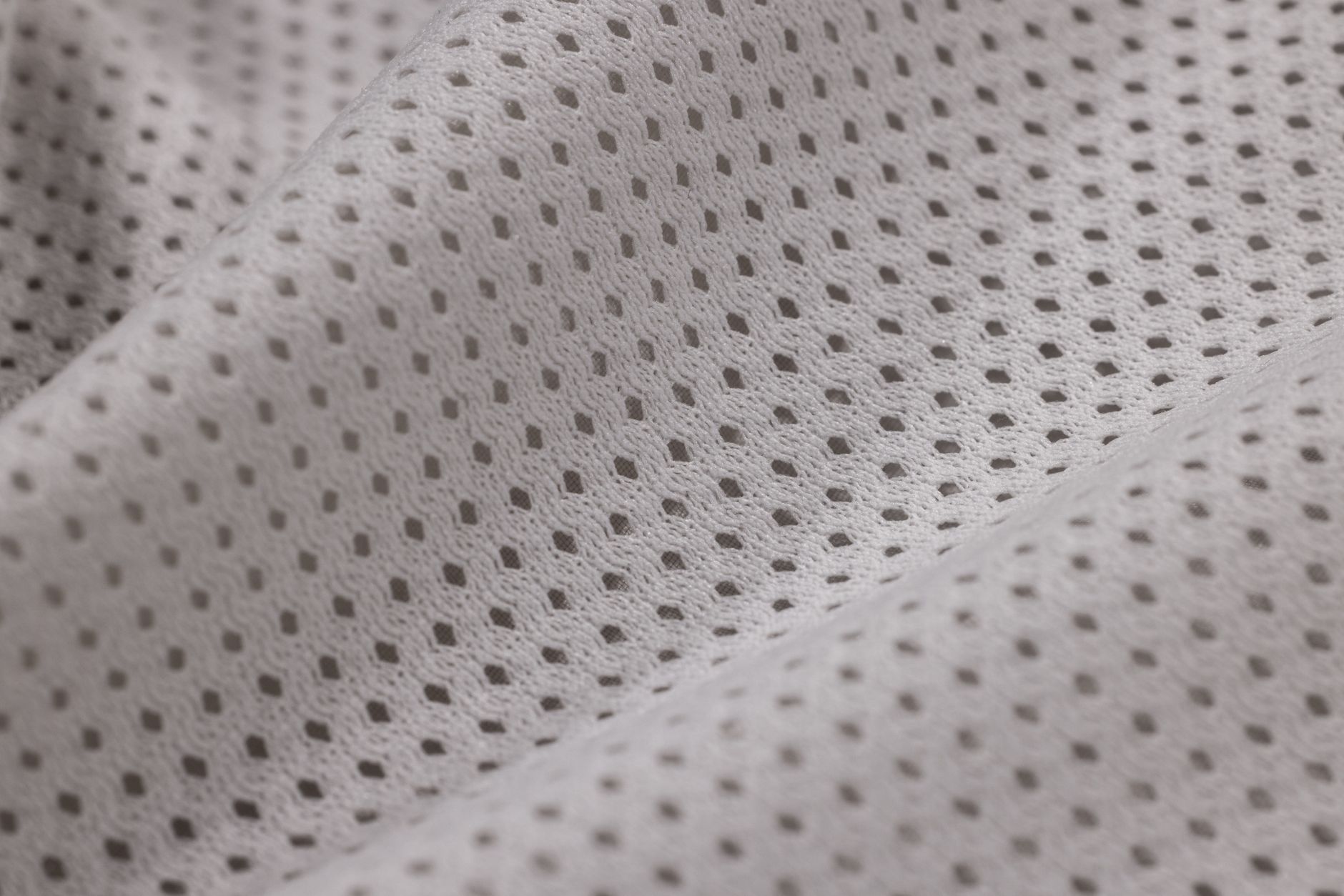
The finishing on the waistband and the quality of the pleat – if one is included – also tell you a great deal about whether a manufacturer has treated whipcord as a design choice or simply a fabric substitution. A well-made whipcord trouser has a waistband with enough internal structure to complement the fabric rather than fight it, and a crease that runs clean from hip to hem without encouragement. Those details are where the fabric’s performance becomes visible, and where the difference between a considered garment and a trend piece becomes obvious.
Frequently Asked Questions
What is whipcord fabric?
Whipcord is a tightly twisted wool fabric with a steep diagonal rib weave, historically used in riding jodhpurs and military uniforms for its durability and crease resistance.
How should whipcord trousers fit?
Whipcord does not drape or yield like softer fabrics, so the fit should have adequate ease across the seat and thigh to avoid pulling against the rib structure.