

When Equestrian Utility Meets Tailoring
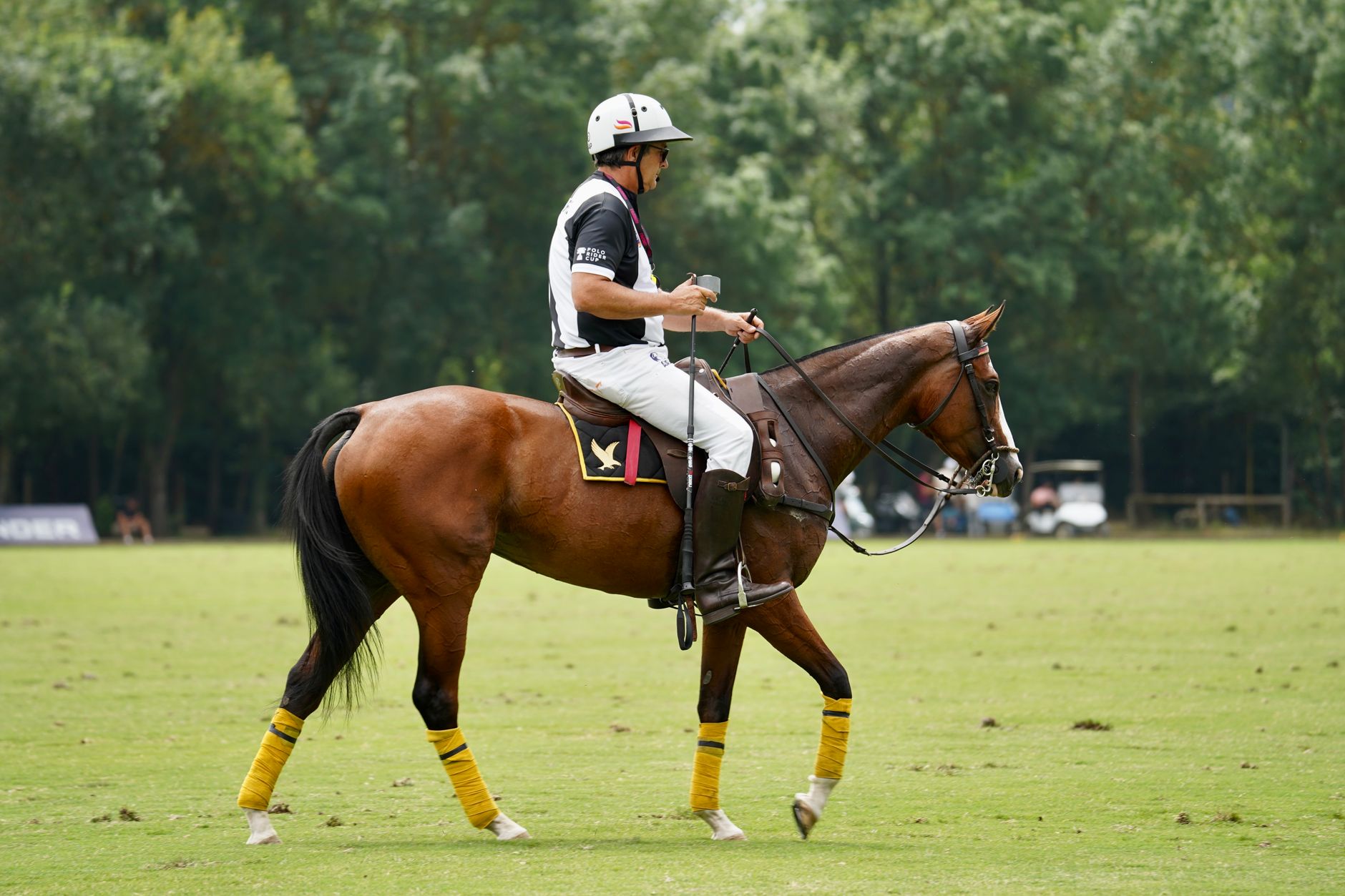
Suede knee patches have always served a clear purpose on polo breeches – protecting the rider’s inner leg from saddle friction during a match. They were never decorative. They were functional, unadorned, and specific to a sport that demands both precision and physical endurance. Which is exactly what makes their current migration into tailored blazer elbows so worth paying attention to.
The detail is showing up quietly – not in splashy runway moments, but in small-batch ready-to-wear collections, bespoke tailoring orders, and the kind of pieces that stylists describe as “considered.” A suede elbow patch on a well-cut blazer carries all the visual weight of its equestrian origin while operating in an entirely different context. The friction rationale is gone. What remains is the aesthetic language of durability, restraint, and a very specific kind of old-money athleticism.
The Elbow Patch’s Complicated History
Elbow patches on blazers are not new. The tweed academic jacket with leather reinforcements has been a menswear reference point for decades, and it briefly became ironic shorthand for a certain kind of try-hard intellectualism in the mid-2010s. That version of the detail – stiff, literal, attached to the professor archetype – never fully recovered its credibility. It became costume before it became fashion.
What separates the current suede iteration from that history is material and provenance. Traditional elbow patches leaned on leather or contrasting wool. The suede version arriving now borrows directly from polo-specific construction, where the patch material needs to grip without stiffening, absorb pressure without cracking, and move with the body rather than against it. That technical specification translates visually into something softer and more tactile than the academic version ever managed.
The polo club connection also matters to how the piece reads socially. Polo carries a set of references – land, sport, inherited wealth, a particular type of Anglo-Argentine formality – that operate differently than the university aesthetic. Where the academic patch suggested bookishness, the suede polo-derived patch suggests physical activity, outdoor competence, and a wardrobe built around function first. That shift in subtext changes the entire garment.
Suede as the Defining Variable
Suede is doing specific work here that other materials cannot replicate. Its texture interrupts the clean line of a tailored sleeve without introducing pattern or print. On a solid camel blazer or a chalk-stripe wool, a suede elbow patch in a tonal shade creates dimension through contrast of surface rather than contrast of color. The effect is subtle enough to read as intentional craft rather than decoration – which is the precise register that current tailoring is operating in.
Color is also part of the calculation. The polo breeches tradition favors warm tans, saddle browns, and muted cognacs – shades that sit naturally against the neutral palettes dominating tailored dressing right now. A stone-grey blazer with a warm suede patch. A navy double-breasted jacket with a tobacco-brown reinforcement at the elbow. These are not loud combinations. They reward close attention, which is a quality that distinguishes considered dressing from trend-following.
How the Detail Moves Across Wardrobes
The reason this detail is gaining ground in tailoring specifically – rather than in casual outerwear or sportswear – comes down to contrast logic. Tailoring is already a high-investment category in terms of construction and material. Adding a suede patch to a blazer that already costs real money signals that the garment is built to last and meant to age. It introduces a repair culture aesthetic into a context that has historically resisted visible wear. That tension is where the visual interest lives.
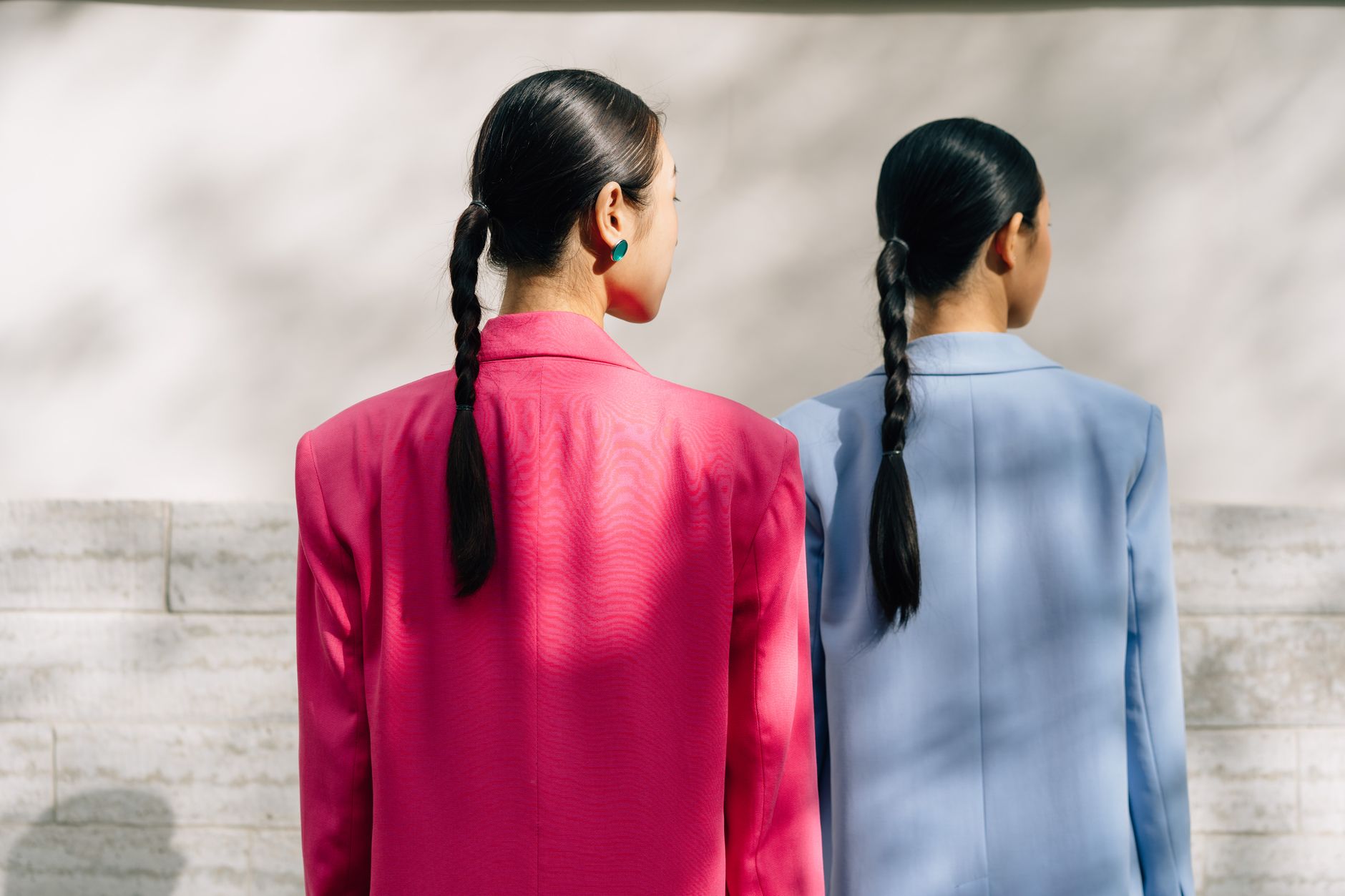
Styling the suede-patched blazer follows a fairly consistent logic across the pieces appearing in current collections. The surrounding wardrobe tends to stay clean – well-fitted trousers in a complementary neutral, minimal footwear, no competing textures. The patch is treated as the focal point, not one element in a layered look. Over-styling defeats the purpose entirely. The detail reads best when it has room to register on its own terms.
There is also a gendered dimension worth addressing directly. Elbow patches on women’s tailoring have historically been treated as a borrowed menswear moment – slightly ironic, deliberately oversized, playing with masculine codes. The suede polo derivation sidesteps that framing because the equestrian world has always been co-ed at the level of dress. Polo breeches with knee patches are worn by women and men without meaningful distinction. That neutrality carries into how the blazer version reads – it does not feel borrowed or costumed, it feels functional, and function has no gender assignment.
Bespoke tailors in London and Milan have reportedly seen an uptick in requests for suede elbow work over the past two seasons, particularly from clients with equestrian backgrounds who want their sport and their professional wardrobe to share a visual vocabulary. Polo club saddle stitch detailing is already making similar inroads in fine leather goods, moving equestrian craft references into categories far removed from the sport itself. The elbow patch follows that same logic – not cosplay, not costume, but a genuine transfer of functional aesthetic from one context into another where it earns its place on different terms.

The question no one has cleanly answered yet is where suede elbow work lands once it hits wider distribution. The detail currently functions because it is rare enough to register as intentional. A few seasons of fast-fashion adoption would collapse that entirely, turning it back into the kind of ironic shorthand the academic patch never escaped. The polo derivation could protect it – the reference is specific enough, and the material requirement demanding enough, that a cheap version of this detail announces itself immediately as a cheap version. Whether that barrier holds is the open question this trend is quietly carrying with it.