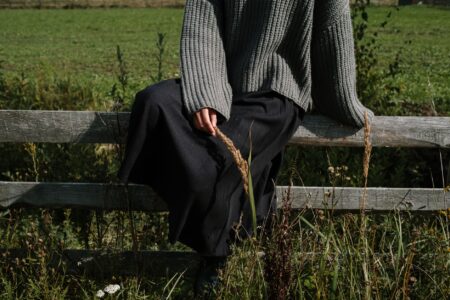


Equestrian sport has long fed fashion with its vocabulary of buckles, bridles, and jodhpur seams – but the saddle panel, that reinforced insert traditionally stitched into riding breeches for grip and durability, is now migrating into tailored trouser construction with a quiet, structural authority.
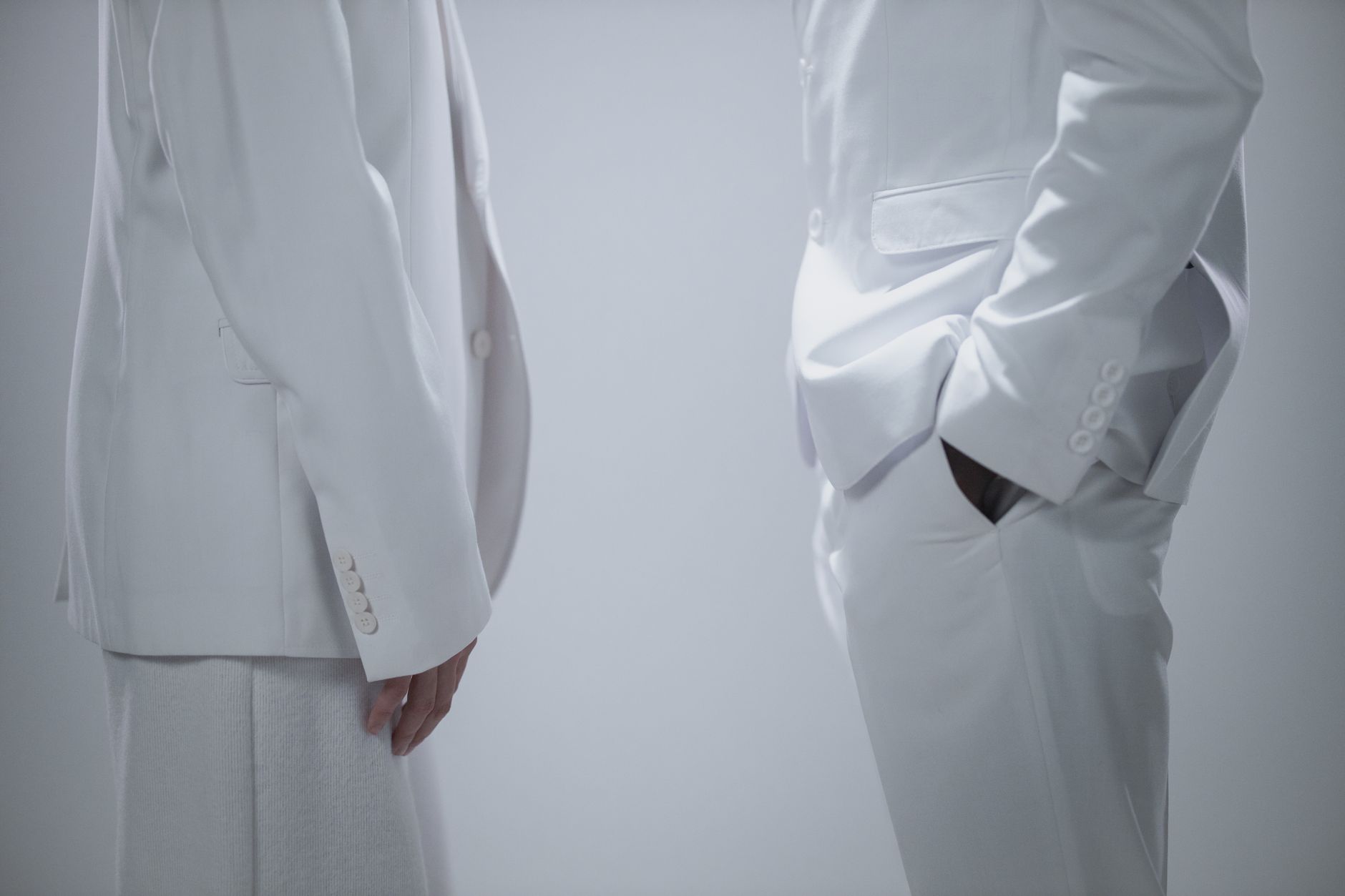
The Anatomy of a Saddle Panel and Why It Translates
A polo saddle panel sits at the inner thigh and knee, reinforced with leather or suede to withstand friction in the saddle. Its defining characteristic is not merely the material but the construction logic behind it – a shaped insert that responds to the body in motion rather than simply draping over it. That functional intelligence is exactly what is drawing tailors and ready-to-wear designers toward it as a design element worth extracting from the paddock.
The panel creates an inherent visual break in the trouser leg. Where a conventional tailored trouser reads as a continuous sweep of fabric from hip to hem, a saddle-panel cut introduces a deliberate seam line at the inner leg – one that contours around the knee and returns up the inner thigh. The result is a trouser that appears sculpted rather than flat. On a well-proportioned cut, this geometry reads as sophisticated detailing rather than sportswear cosplay.
Material contrast plays a significant role in how designers are deploying the concept. The most resolved versions pair a fine wool or technical gabardine shell with a tonal suede or smooth-grain leather panel, keeping the contrast in texture rather than color. This restraint is important – it keeps the garment within the language of tailoring rather than pulling it toward costume. A few labels working in luxury casual territory are experimenting with panels in the same fabric as the trouser body, where the interest comes entirely from the topstitching and the seam line itself. The reference to saddle stitch detailing is not incidental here; that hand-stitching tradition carries the equestrian reference without requiring full leather construction.
Fit architecture changes when a panel is introduced. Because the insert piece is cut separately and seamed in, a skilled pattern cutter can engineer additional ease or structure into the inner leg independent of the outer silhouette. The trouser can be slim through the thigh and hip while offering a slightly roomier knee – a proportion that flatters movement and reads as precise rather than relaxed. This is the kind of technical distinction that separates the trend from simple equestrian styling.
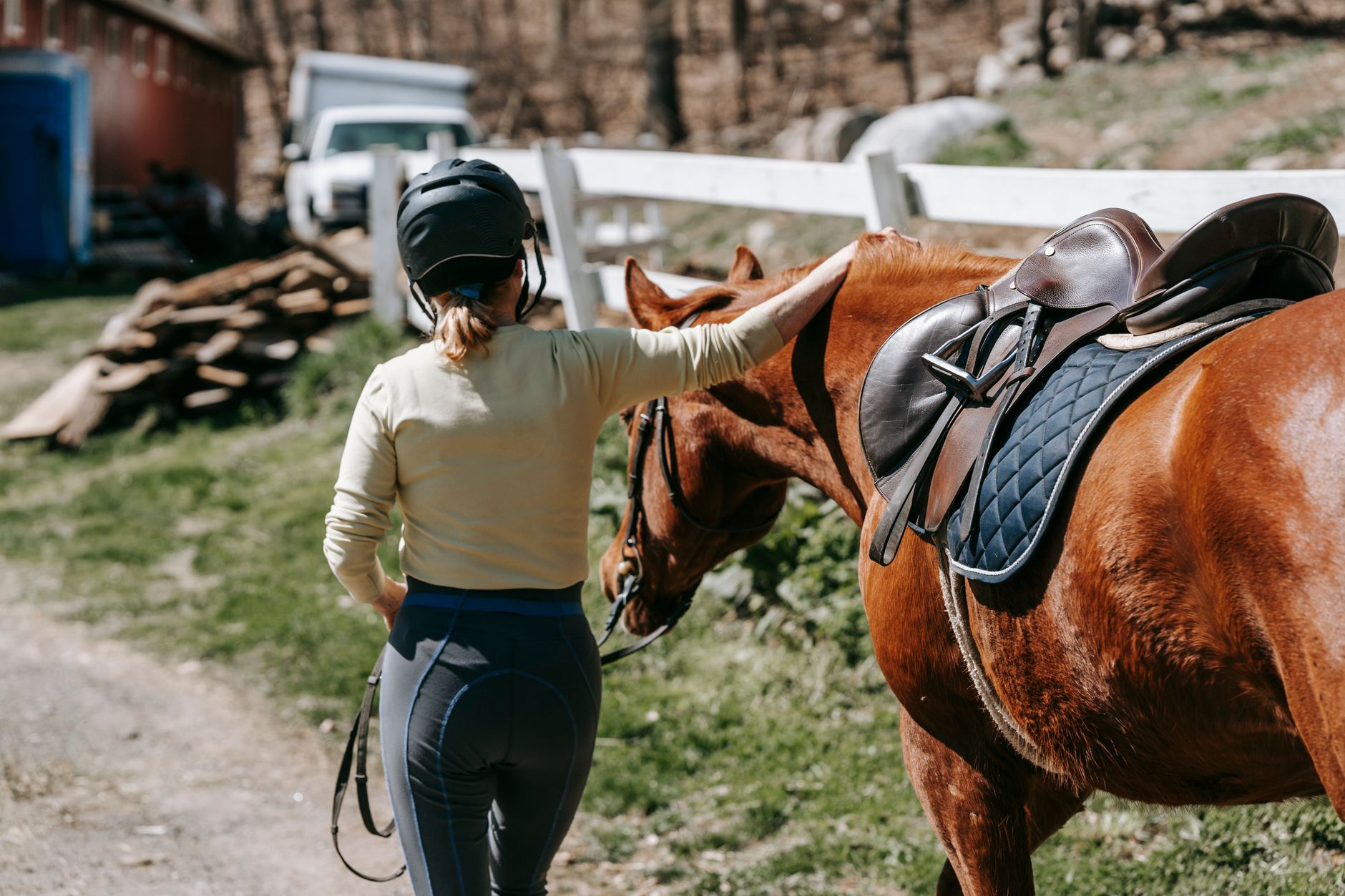
How the Trend Is Moving Through the Market
The saddle panel has been visible in high-end equestrian wear for decades, but its crossing into general tailoring is a more recent development. A growing number of European ateliers and Japanese workwear-influenced labels have begun offering trouser styles with inner-leg paneling as a standard option rather than a bespoke request. The silhouettes tend toward a mid-rise, straight-leg cut – the kind of trouser that has dominated tailoring conversations for the last several seasons – where the panel detail reads as an elevation of the form rather than a distraction from it.
Styling choices around the panel trouser reveal how the wearer wants the reference to land. Worn with a structured blazer and a plain shirt, the detail reads almost academic – the kind of thing a serious follower of craft tailoring notices before a casual observer does. Worn with a relaxed knit or a flight jacket, the equestrian reference becomes more legible and the trouser functions as the statement piece. Both readings are valid, and the flexibility is part of what makes the design commercially interesting to a range of brands.
Color direction so far has favored the palette of the polo ground – tobacco, tack room tan, cavalry twill, and off-white, alongside the more neutral entry points of charcoal and navy. These are not showy choices, and that is deliberate. The panel trouser is not positioning itself as trend dressing. It is positioning itself as considered dressing, aimed at the customer who is skeptical of logos and overt branding but still wants visible evidence of craft in their wardrobe.
The gender framing around this piece is notably open. Womenswear has been quicker to adopt equestrian references in tailoring, partly because the jodhpur silhouette already has a long history in women’s fashion. But the saddle panel trouser is landing with equal traction in menswear, where the demand for tailored trousers with some form of visible construction detail – pin tucks, outseam piping, contrast waistbands – has been building steadily. The panel satisfies that appetite without resorting to streetwear-adjacent detailing.
Price architecture is wide. Entry points exist in the mid-market through brands working in stretch fabrics that mimic the look of a panel seam without the construction complexity. At the upper end, bespoke and made-to-measure tailors are cutting full saddle panels in contrasting calf leather, with the seam work finished by hand. The distance between those two products is considerable, but both are drawing from the same visual idea – which suggests the trend has enough elasticity to survive across market tiers without losing its identity.
The Specific Appeal of a Borrowed Detail
Equestrian sport has a history of lending its technical vocabulary to fashion and watching that vocabulary shed its original context over time. The polo collar, the jodhpur boot, the riding crop carried as an accessory – each of these arrived with a functional justification and stayed because the design logic proved to be good on its own terms. The saddle panel follows that same path. Its grip-and-durability origins are largely invisible to anyone not looking for them, but the seam engineering and the proportion it creates in a trouser leg are immediately readable as intentional and refined.
What the saddle panel offers that most decorative trouser details do not is a structural rationale. The seam exists because the panel exists, and the panel exists because a shaped insert solves a real construction problem. That logic gives the finished garment a coherence that purely decorative stitching rarely achieves – which is why tailors drawn to it tend to describe it not as a trend they are adopting but as a solution they were already looking for.
Frequently Asked Questions
What is a saddle panel in trousers?
A saddle panel is a shaped insert piece seamed into the inner thigh and knee of a trouser, originally used in riding breeches for grip and durability, now adopted in tailoring for its structural and visual appeal.
How do you style saddle panel trousers?
They work with structured blazers for a tailored look or relaxed knits to let the equestrian detail read more prominently – both approaches suit the straight-leg, mid-rise cuts most common in the trend.