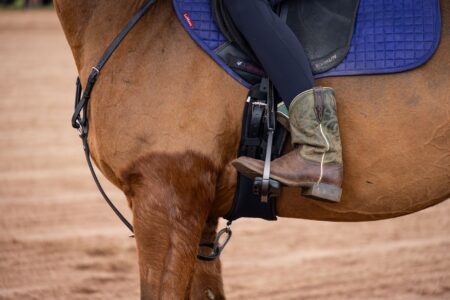


Equestrian hardware has long operated on its own aesthetic logic – functional, precise, and almost entirely ignored by fashion. The throat lash keeper, that small looped clasp designed to secure a bridle’s throat lash strap against the cheek piece, was never meant to be seen. It sat close to the jaw, held tension without ceremony, and did its job invisibly. That invisibility is exactly what made it interesting to the designers who started pulling it apart.
What’s happening now in accessories is less a reinvention and more a quiet translation. The geometry of a throat lash keeper – its flat profile, its minimal footprint, the way it grips cleanly against the neck – maps almost perfectly onto the logic of a minimalist choker clasp. The hardware language is nearly identical. The difference is that one lives on a horse and the other is landing on runway looks, editorial spreads, and the kind of considered street style that reads as effortless because it took considerable effort to assemble.
The Hardware That Started It
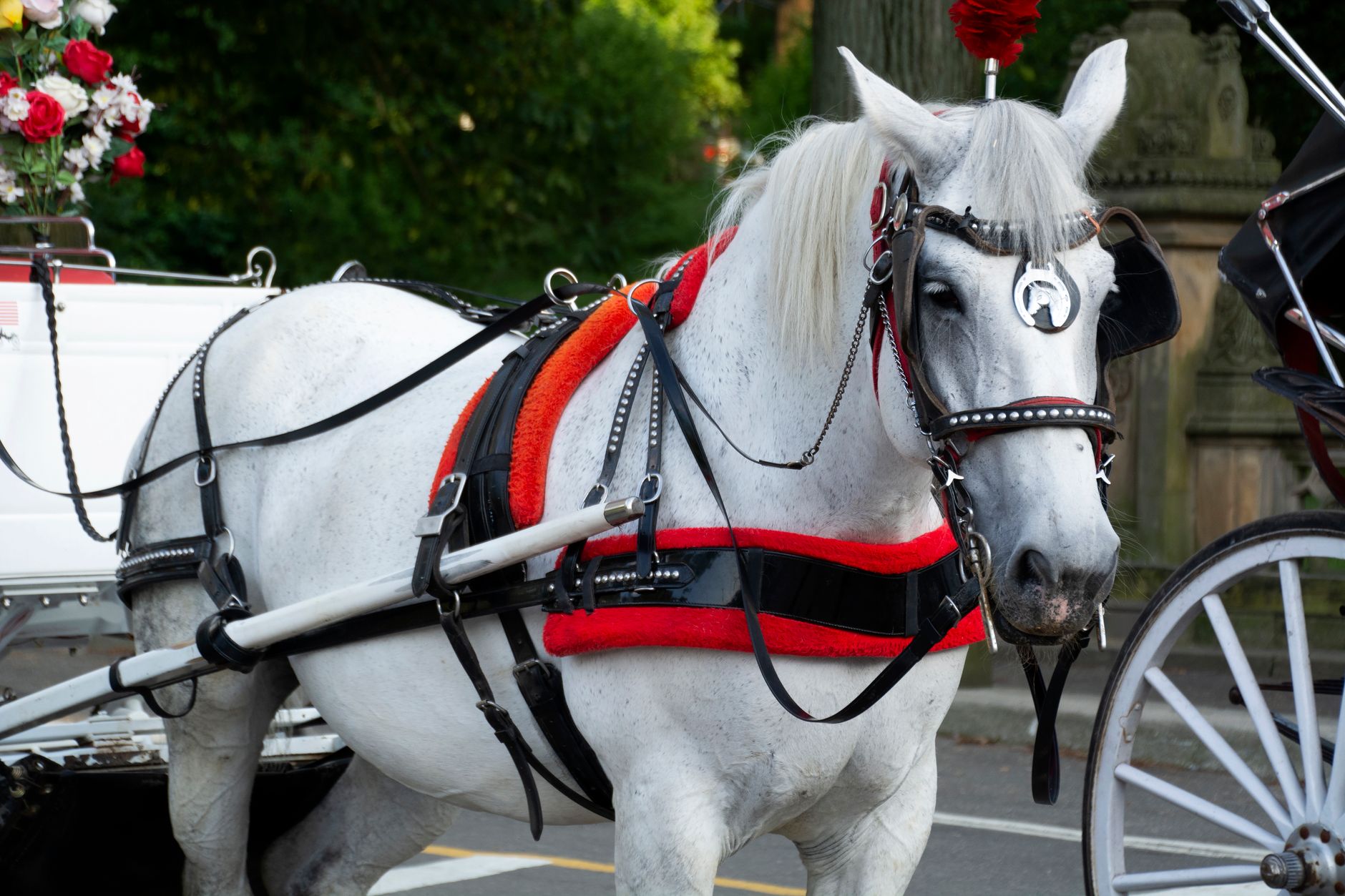
Throat lash keepers are not decorative by design. They are typically made from rolled leather or webbing with a small metal keeper ring, sized to accommodate precise tension without bulk. The clasp mechanism – whether a simple loop and stud or a flat barrel closure – prioritizes flush contact with the neck and jaw area of the horse. There is nothing extra. That restraint is the entire point.
What makes this hardware particularly transferable is its scale. Unlike stirrup irons or girth buckles, which require significant redesign to sit on a human body, keeper clasps already operate within dimensions that feel proportional to the human neck. A standard throat lash keeper runs narrow, sits flat, and closes with a satisfying precision that reads as jewelry even in its original context. Several accessories designers have noted, without necessarily naming the source, that bridle hardware offers a level of finish and structural logic that purely decorative jewelry clasps rarely match.
The finishing quality matters here. Equestrian hardware is built to withstand weather, tension, and repeated use. When that same construction standard gets applied to a choker clasp, the result is a piece that closes with an authority most fashion jewelry can’t replicate. There’s no wobble, no give, no clasp that slides out of position through the day. That reliability is a selling point that doesn’t need to be explained to the person wearing it – they feel it immediately.
Where Minimalism Meets the Stable
The broader minimalist choker moment has been building for several seasons, pulling references from industrial design, medical hardware, and now, increasingly, from equestrian tack. The appeal is consistent across all three sources: these are objects made for function first, and function has its own visual authority. A choker that closes the way a bridle keeper closes – with that flat, locked-in precision – wears differently than one assembled from standard jewelry findings.
This also explains why the trend reads cleanly against very different aesthetics. Against a white shirt and tailored trousers, a keeper-clasp choker looks architectural. Against a bias-cut slip dress, the same piece introduces exactly the right note of structural contrast. The hardware does the styling work without requiring anything else from the outfit around it.

The Styling Logic Behind the Shift
Chokers have cycled through fashion long enough that their return isn’t the story. What changes each time is the specific detail that makes the current version feel distinct from the last. In the early 2000s, it was velvet and stretch. More recently, it was chain links and oxidized metals. Now the point of difference is the clasp itself – the exact mechanism by which the piece closes, and what that mechanism communicates.
A throat lash keeper clasp communicates very little, which is the point. It doesn’t announce itself. It closes the piece and disappears into the concept. That restraint is increasingly desirable in a moment where maximalist accessories have been worked hard and a certain fatigue has set in. The choker that closes with a flat equestrian keeper reads as considered rather than decorated, which is a meaningful distinction for how these pieces are being positioned.
There’s also a tactile component that photography doesn’t fully capture. The way a keeper clasp sits against the collarbone – flush, stable, neither heavy nor insubstantial – produces a wearing experience that’s genuinely different from a standard lobster claw or spring ring closure. It’s the kind of detail that converts a person who tries the piece on into someone who buys it, which is why it’s being adopted by independent jewelers and smaller accessories labels faster than by large commercial players who move more cautiously on construction changes.
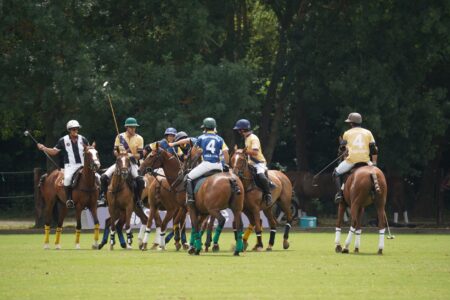
The connection to equestrian culture adds a layer of reference that functions differently depending on who’s reading it. To someone with a polo or riding background, the keeper clasp is immediately recognizable, which produces a specific kind of insider pleasure. To someone outside that world, it reads simply as unusually good hardware – precise and intentional without being ostentatious. Both readings are accurate. The piece doesn’t require the equestrian context to work, but it rewards the recognition. Other polo-derived accessories have navigated this same dual legibility – numnah girth loops translated into waistband corsetry operate on exactly this principle, where the tack origin is visible to those who know it and irrelevant to those who don’t.
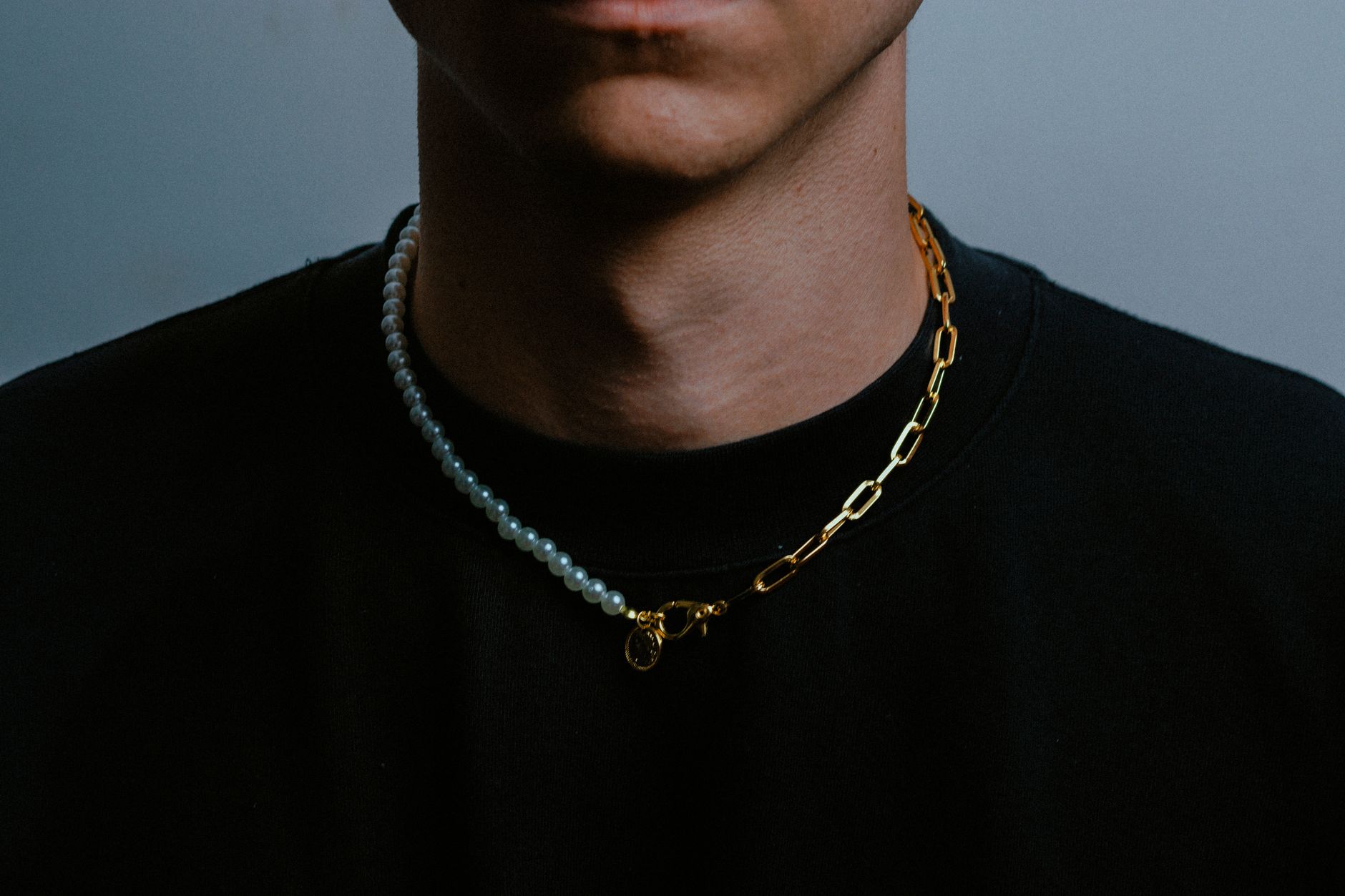
What’s worth watching is whether the keeper clasp stays a construction detail or becomes a visible signature. Right now its appeal rests largely on being almost unnoticeable – a piece of hardware that closes a choker in a way that feels better than expected. Once that clasp starts appearing in campaign imagery and product close-ups as a deliberate focal point, the dynamic changes. The thing that made it interesting was that it wasn’t trying to be interesting at all.
Frequently Asked Questions
What is a throat lash keeper in equestrian equipment?
A throat lash keeper is a small looped clasp on a horse’s bridle that secures the throat lash strap against the cheek piece. It sits close to the jaw and is designed for flat, precise closure with minimal bulk.
How is equestrian hardware being used in fashion jewelry?
Designers are adapting the flat, flush closure mechanism of throat lash keepers into choker clasps, borrowing the precise fit and functional finish of bridle hardware for a minimalist accessory aesthetic.