

The Stable Meets the Street
Polo mallets have long been objects of obsession for the sport’s devotees – the weight, the balance, the wrapping on the handle. That wrapping, traditionally a tight coil of leather or cord wound around the grip for control and comfort, is now finding an unlikely second life wound around the straps and handles of luxury bags. It is a niche crossover, but it is moving quickly through the fashion world’s more discerning circles.
The appeal is tactile before it is visual.
Where most bag hardware modifications chase a visual effect – a chunky chain, a logo charm, a silk scarf tied at the buckle – whip handle wrap styling works differently. The wrapped grip creates a texture that the hand notices before the eye does. Run a palm along a bag strap finished with tightly wound waxed cord in the polo style and the sensation is immediately distinct: firm, slightly raised, with a rhythm to the coiling that signals craft over decoration. That physical quality is what is drawing in a very specific type of fashion consumer right now – one who has grown skeptical of purely ornamental detail.

Why Polo Wrapping Translates to Bag Hardware
The original function of a polo mallet wrap is straightforward – it keeps the grip from slipping under pressure. Leather or waxed cord is wound tightly from the base of the handle toward the striking end, sometimes finished with a whipping knot, sometimes simply tucked and sealed. The technique is borrowed directly from maritime rope craft and equestrian tradition, and both of those worlds have fed fashion’s appetite for utilitarian detail before. What makes this moment different is the specific application: not recreating the mallet aesthetic as costume, but lifting the wrapping technique and placing it on objects that already carry status – the strap of a structured tote, the top handle of a doctor’s bag, the shoulder strap of a crossbody worn close to the body.
The materials in play tell the story as well as the technique. Waxed linen cord in neutral tones – raw ecru, dark walnut, faded olive – is the entry point, but some artisan bag makers are working with bridle leather lacing wound in the same polo grip pattern. Bridle leather is dense and slow to soften, which means the wrap holds its shape rather than collapsing into the strap beneath it. The result looks architectural, even structural, and that quality sits comfortably alongside the clean geometry of the bags it is being applied to. A plain Nappa leather top handle wrapped in dark waxed cord reads as a very deliberate choice, not an afterthought.
There is also a personalization angle that matters here. Unlike most bag modifications – adding a strap, swapping hardware – handle wrapping is genuinely reversible and genuinely variable. The pattern can be open or closed, the cord can be doubled or single-wound, the finish can be raw or sealed with beeswax. Two people wrapping the same bag with the same cord will arrive at slightly different results, and that handmade variability is exactly the quality that appeals to buyers who have been burned by mass-produced “artisan” goods. Polo club culture has always carried a strong DIY maintenance ethic – riders rewrap their own mallets, often on the same day they play – and that self-sufficiency transfers neatly into a fashion context where ownership feels more active.

How the Look Is Being Worn Right Now
The bags attracting this treatment tend to share a few qualities. They are structured rather than slouchy, with defined handles rather than soft rope or chain straps. Doctor bags, bucket bags with rigid frames, and boxy top-handle styles are appearing most often with wrapped grips in street style photography from London, Milan, and New York. The wrapping is typically confined to the top handle rather than the full shoulder strap – which makes practical sense, since a heavily textured strap worn against clothing can catch and pull fabric. Keeping the detail at the handle keeps it visible and functional without creating friction problems.
Color is being handled with restraint. The strongest executions match the cord tone closely to the bag leather – a tan leather bag wrapped in undyed cord, a black structured tote wrapped in dark espresso waxed linen. This monochromatic approach avoids the look of a repair job and keeps the focus on the texture rather than the contrast. When contrast does appear, it tends toward natural pairs: cream cord on cognac leather, olive cord on raw canvas. The combinations read as considered rather than decorative, which keeps the overall aesthetic inside the minimalist lane that high-end bag buyers currently favor. This kind of functional-meets-refined detail sits close to what has driven interest in polo club boot pull straps moving into utilitarian accessories – the same equestrian utility translated into daily wear.
Styling the wrapped bag follows similar logic to styling riding gear in a non-equestrian context: the bag does the work, so the rest of the outfit earns its keep by staying out of the way. Tailored trousers, a clean white shirt, minimal footwear – the wrapped handle becomes the one detail that rewards a second look. That calibration is part of what makes the trend feel sustainable rather than seasonal. It is not dependent on a specific silhouette or color story, which means it will not expire when the next runway cycle resets the conversation.
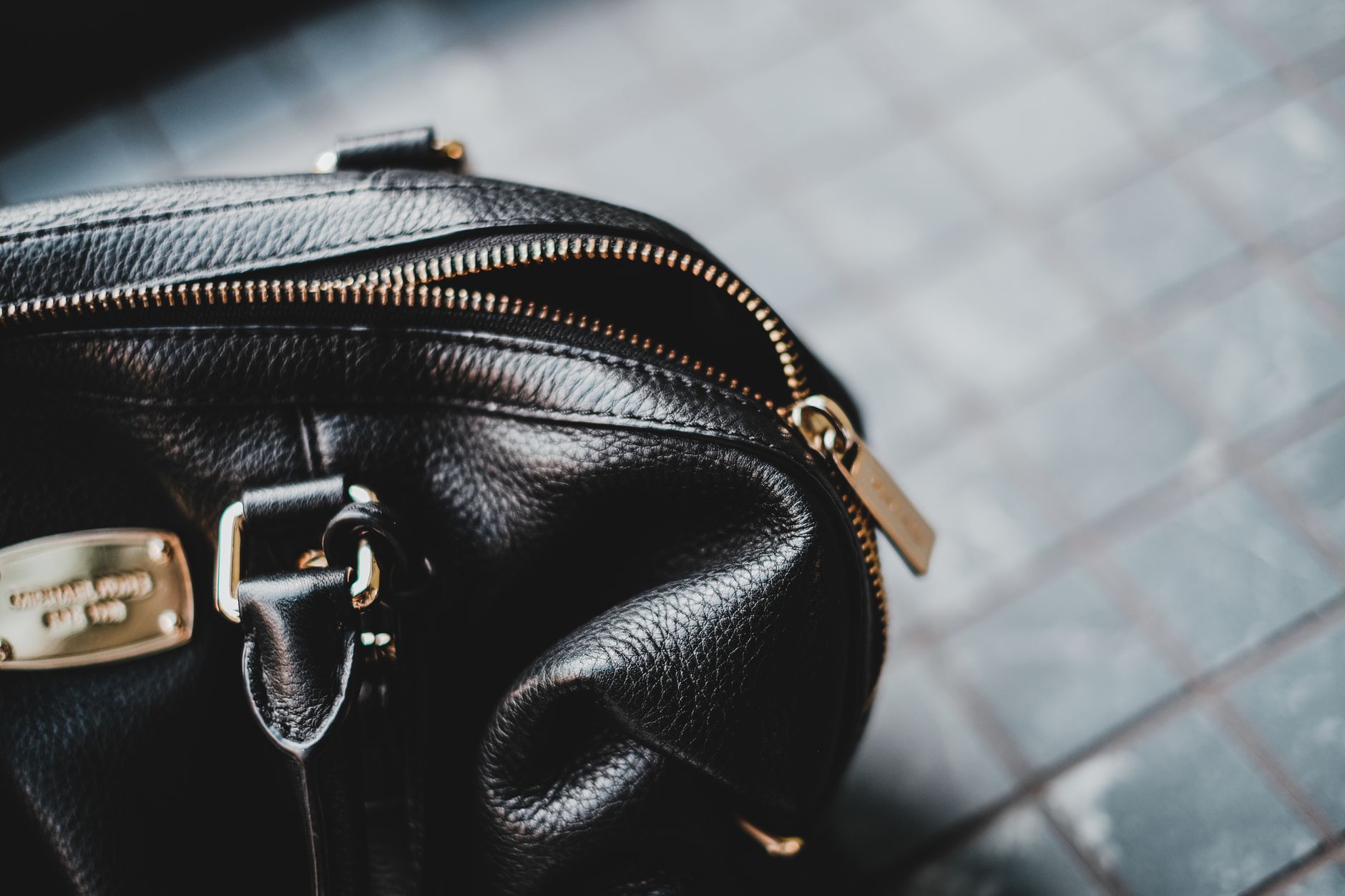
The wrap technique itself is old enough to predate fashion by centuries – polo players, sailors, and craftsmen have been binding handles with cord for as long as tools have needed gripping – and that depth of origin is exactly why it holds up as a design choice rather than a gimmick. A bag handle wrapped in the polo style carries the accumulated logic of every mallet, oar, and tool grip that came before it, and luxury fashion has always been willing to pay for that kind of history when it arrives in a form you can carry.
Frequently Asked Questions
What is a polo whip handle wrap on a bag?
It is a tight coiling of waxed cord or leather lacing around a bag handle, borrowed from the technique used to wrap polo mallet grips for control and comfort.
What types of bags work best with handle wrapping?
Structured bags with defined top handles – such as doctor bags and boxy top-handle styles – hold the wrap best and keep the detail visible without catching on clothing.