

The Shoulder Is Getting a Polo Upgrade
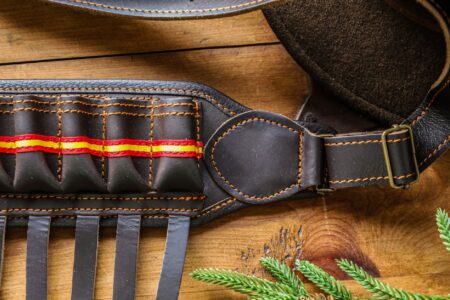
Withers pad rolls – the dense, foam-reinforced panels that protect a horse’s withers from saddle pressure – have a very specific job in the polo world. They sit flush against the animal’s back, curved and compressed, holding their shape under significant stress. Fashion, it turns out, has noticed exactly that structural quality. A growing number of designers are drawing on the geometry of these pads to reinterpret the sleeve head: that small but architecturally loaded section of fabric where a sleeve meets a shoulder seam.
The result is a silhouette that reads as structured without being stiff, rounded without being padded in the old power-suit sense.
What makes this particular reference interesting is how specific it is. The withers pad is not a glamorous piece of equestrian equipment. It doesn’t carry the visible prestige of a stirrup or the decorative appeal of browband hardware. It is purely functional – a problem-solving object designed around compression and curvature. Borrowing its logic for the sleeve head is a choice about engineering, not aesthetics, which is exactly why the resulting garments feel different from standard structured shoulders.
How the Construction Actually Works
A traditional structured sleeve head relies on wadding or shoulder padding inserted at the cap of the sleeve. The withers-inspired approach works differently. Instead of padding beneath the fabric, designers are building the curve directly into the seam allowance and sleeve cap itself – shaping the fabric so it holds a rounded arc without any internal support. The technique borrows from the way a withers pad is pre-shaped before it ever touches a horse: the form is cut in, not stuffed in.
This matters for wearability. When volume lives inside padding, movement can feel restricted – the shoulder holds its shape because something rigid is keeping it there. When the curve is structural to the cut, the sleeve head rounds outward naturally and then releases as the arm moves. Tailors working with heavier wools and technical fabrics have more room to execute this, but the principle is showing up in lighter materials too, including cotton canvas and bonded jersey, where the seam itself carries the arc.
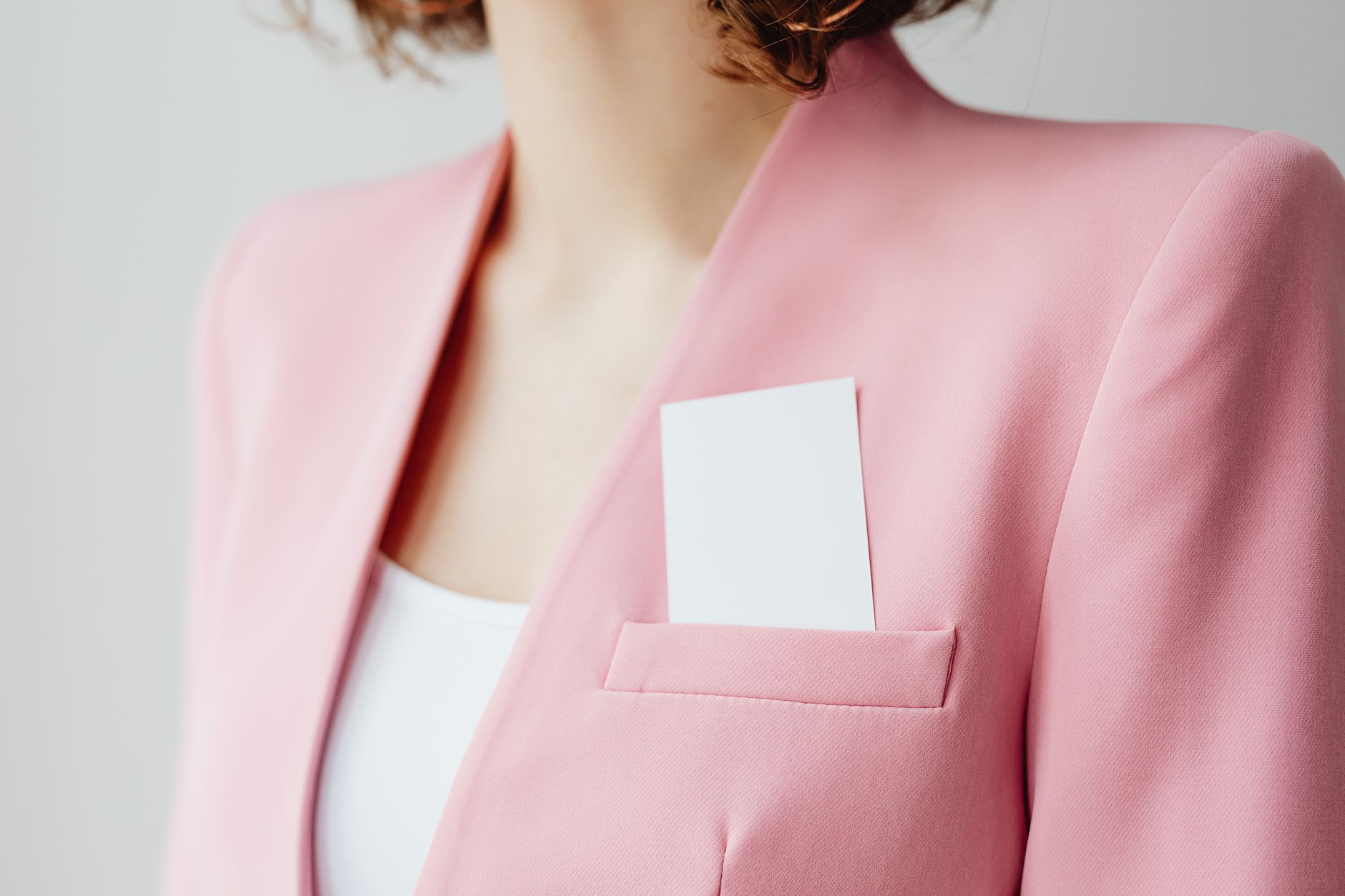
The sleeve cap height is the other variable. Withers pads are notably tall at their center point – they have to clear the horse’s spine. Translating that into a garment context means raising the sleeve cap higher than conventional tailoring dictates, which creates a slight dome at the shoulder point. On the body, this reads as a clean, deliberate roundness rather than the squared-off exaggeration of 1980s power dressing. The height is there, but it flows down into the arm rather than jutting outward.

Where the Trend Is Landing
The silhouette is appearing most clearly in tailored coats and structured blazers, where the shoulder seam gets enough real estate to show what the technique can do. Single-breasted cuts in particular benefit from the rounded sleeve head because there is no lapel bulk to compete with – the eye travels straight to the shoulder line and reads the shape cleanly. A number of independent designers working in the tailoring space have been quietly testing this construction across the last several seasons, releasing pieces where the shoulder looks almost inflated at the cap but settles naturally once worn.
Knitwear is a quieter but equally interesting application. Set-in sleeves on heavy-gauge knits can carry a withers-style rounded cap when the yarn weight supports it, giving sweaters a deliberate sculptural quality at the shoulder that reads as intentional shaping rather than accidental stretch. The challenge with knit is maintaining that arc through wear and washing, which is why the technique works best in structured yarns – wool blends, felted finishes, or yarns with enough body to resist collapse.
Shirt tailoring is the frontier where the construction gets genuinely difficult. The sleeve head on a dress shirt or overshirt has very little seam allowance to work with, and the fabric weight is usually too light to hold an arc without support. A few workwear-adjacent labels are experimenting with interfaced sleeve caps in shirting – borrowing the idea from the withers pad’s internal density to give the cap structure – but the results vary considerably depending on how the interfacing is bonded. Get it wrong and the shoulder point puckers. Get it right and the shirt carries a low-key authority that reads as tailoring without announcing itself.
What This Means for How Clothes Are Being Built
The broader direction here is toward construction-led design: silhouettes that get their form from the cut rather than from what’s added inside. The withers pad reference is specific, but the underlying logic applies widely – look to functional objects designed to hold shape under pressure, understand how they achieve that, and apply the geometry to garment construction. It is a slower and technically demanding way to build clothes, which is part of why the pieces that execute it well tend to hold their value across seasons. The question worth watching is whether the technique stays in the tailoring lane or finds its way into sportswear, where structured shoulder caps have historically been flattened out in favor of range of motion – and where a withers-inspired sleeve head would be a genuinely unexpected move.