

There is a particular kind of design intelligence that comes from objects built for physical labor. Rowing rigger gloves – the thick-cuffed leather gloves worn to protect hands from oar friction and water exposure – were never designed with fashion in mind. Their wide, structured cuffs existed purely to shield the wrist from blistering and chafing during repeated, high-force strokes. But that same functional architecture is now appearing on minimalist wristbands, bracelets, and cuff accessories far removed from any boathouse.
The crossover is not a sudden declaration from any single brand. It has been building quietly through small leather goods labels, accessory designers with athletic backgrounds, and a broader appetite for utilitarian silhouettes that carry visible logic in their construction. The rowing glove cuff – wide, flat, slightly stiffened, often reinforced at the seam – offers exactly the kind of purposeful geometry that resonates with minimalist design values right now.

What Makes the Rigger Cuff Distinct
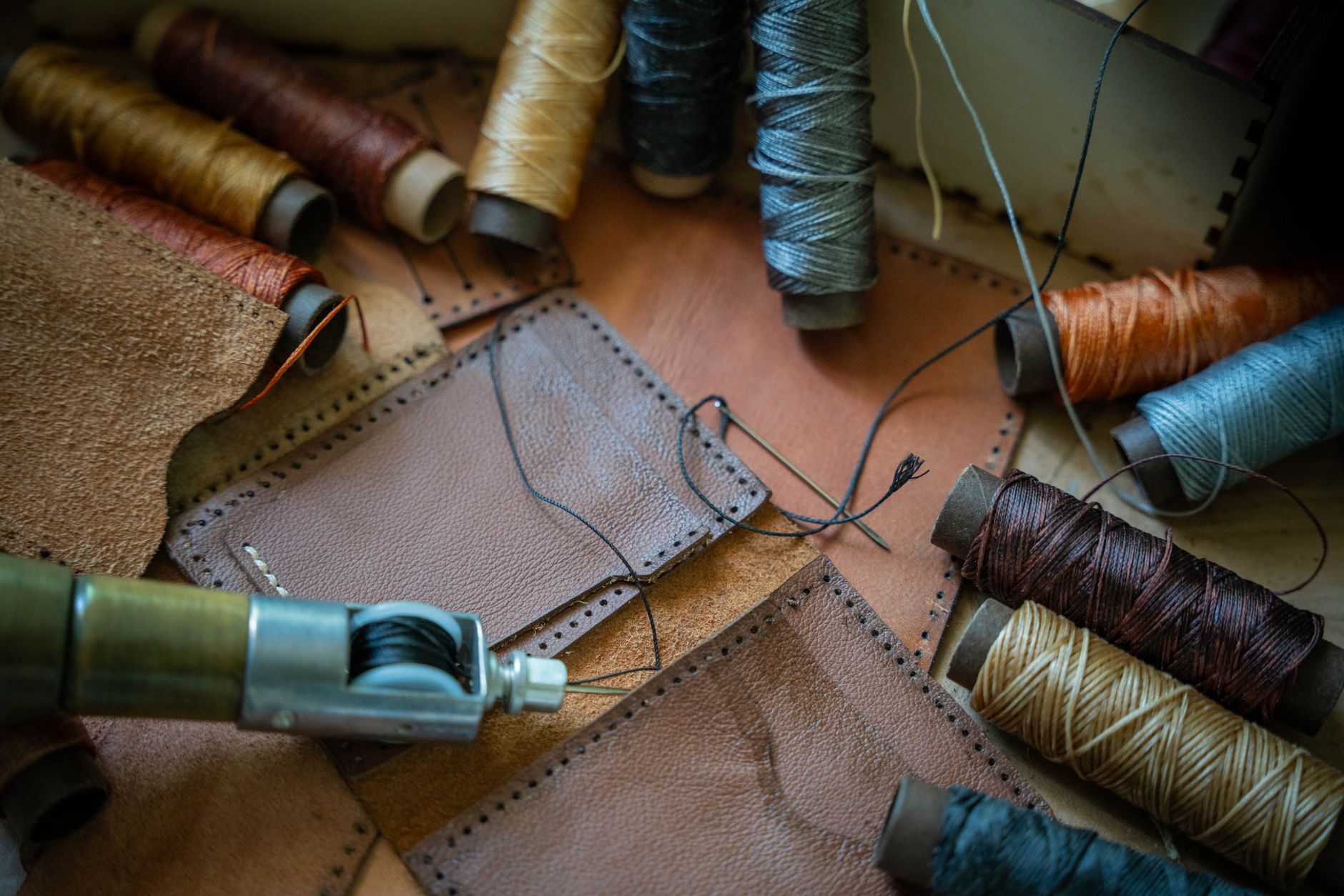
Standard rowing rigger gloves have a cuff profile that is unlike most athletic or work gloves. The cuff sits wide and flat against the wrist rather than tapering toward the hand, creating a band-like silhouette that reads almost architectural when worn alone or translated into accessory form. The leather used in genuine rigger gloves is typically vegetable-tanned or oil-treated for water resistance, which means it develops a natural patina over time – a quality that has long attracted leather accessory designers looking for materials with character.
The seam placement on a rigger cuff is also distinctive. Because the glove is designed to withstand rotational stress during rowing, the stitching runs along the outer edge of the cuff rather than down the center, keeping the wrist-facing surface completely clean. When that construction logic is borrowed for a standalone wristband, the result is a smooth, uninterrupted band of leather with all the hardware and detail pushed to the perimeter – exactly the kind of restraint that defines minimalist accessory design.
How the Silhouette Translates to Fashion
The appeal of the rigger cuff in a fashion context comes down to proportion. Most minimalist wristbands are narrow – two centimeters wide at most, often thinner. They work beautifully for stacking but can read as slight or casual on their own. The rowing cuff borrows its width from a glove designed to cover the full wrist joint, which means the translated wristband sits somewhere between a classic cuff bracelet and a watch strap in terms of visual weight. That proportion fills the wrist without competing with the rest of an outfit.
Leather quality plays a significant role in how well this silhouette lands. The rigger glove tradition favors hides with some thickness and natural grain, not the polished, even-toned leathers common in mainstream accessories. That texture difference is part of what gives the cuff its specificity – it reads as something that has a reason for being the way it is, not something styled for style’s sake alone.
Color choices in this emerging category stay deliberately narrow. Raw tan, dark brown, matte black, and occasionally a deep navy treated leather are the standard options appearing across labels experimenting with this direction. There is no floral dye, no metallic finish. The restraint in color is consistent with where minimalist accessory design has been moving – away from seasonal palette experimentation and toward materials that age rather than trend.
Hardware, when it appears, follows the same logic. A single brass D-ring at the edge, a flat roller buckle, or a snap closure with a matte finish – nothing decorative, everything structural. This mirrors the approach some polo-influenced accessory designers have taken with saddle flap dee ring loops translated into minimalist belt hardware, where equestrian construction details carry their own aesthetic weight without needing embellishment.

The Athletic Heritage Effect
Rowing occupies an interesting cultural position relative to other sports. It sits at the intersection of elite institution and genuine physical endurance – associated with university boat clubs and Olympic training programs simultaneously. That duality gives borrowed rowing aesthetics a different kind of authority than, say, surf or skateboard influences. It carries restraint and precision as default values, which aligns naturally with the design vocabulary minimalist accessory labels are already working in.
The rigger glove specifically comes from a part of the sport that is about managing contact and friction over long sessions, not performance enhancement in the way athletic compression gear implies. That distinction matters aesthetically. The cuff is about protection and durability over time, not about speed or maximum output. Translated into fashion, that reads as permanence rather than performance – a subtle but meaningful difference in how the final piece feels to wear and to look at.
Who Is Wearing It and Why
The early adopters of this silhouette tend to be buyers who already gravitate toward workwear-adjacent leather goods – the kind of person who owns a waxed canvas tote, a belt with a solid brass keeper, or boots that came unlined and required breaking in. The rigger cuff wristband fits naturally into that wardrobe because it asks the same things of its owner: patience with materials that need time, and preference for objects that improve rather than wear out.
Styling tends toward the understated. A single rigger-width cuff worn on one wrist, paired with a watch on the other, or worn alone against a rolled shirt sleeve. The width of the cuff means it does not disappear against fabric the way a thin bracelet might – it holds its own visually without requiring additional layering to register as intentional. For buyers fatigued by the excess of maximalist stacking trends, that self-sufficiency is part of the draw.
What remains unresolved is whether the rigger cuff silhouette stays within the leather goods niche or migrates into wider production. Once a construction detail gets picked up at scale, the patina logic breaks down – mass-produced leather does not age the same way, and the visible craftsmanship that makes the original silhouette readable disappears under manufacturing shortcuts. The wristband works precisely because it looks like it was made with a specific physical use in mind. If that legibility goes, so does most of the reason to wear it.