

The Sporting Life Infiltrates the Tote Bag
Rowing clubs have long operated at the edge of fashion’s peripheral vision – close enough to inspire, distant enough to feel exclusive. The aesthetic codes of the sport, from cable-knit crewnecks to canvas holdalls, have surfaced in collections before. But the latest crossover is far more specific: the rubbing strip, a practical rubber or polymer bumper affixed along the gunwale of a rowing shell to protect the hull during dock contact, is finding its way onto the bases of structured tote bags. It is not a reference. It is a direct material translation.
Handbag designers working in the space between functional sportswear and considered everyday carry have started applying rubbing strip-style profiles to tote bases – thick, slightly raised ridges in matte rubber or vulcanized cord, running along the underside perimeter of a bag to protect it from surface contact. The result is a bag that sits differently, reads differently, and wears differently than anything the category has produced in years.
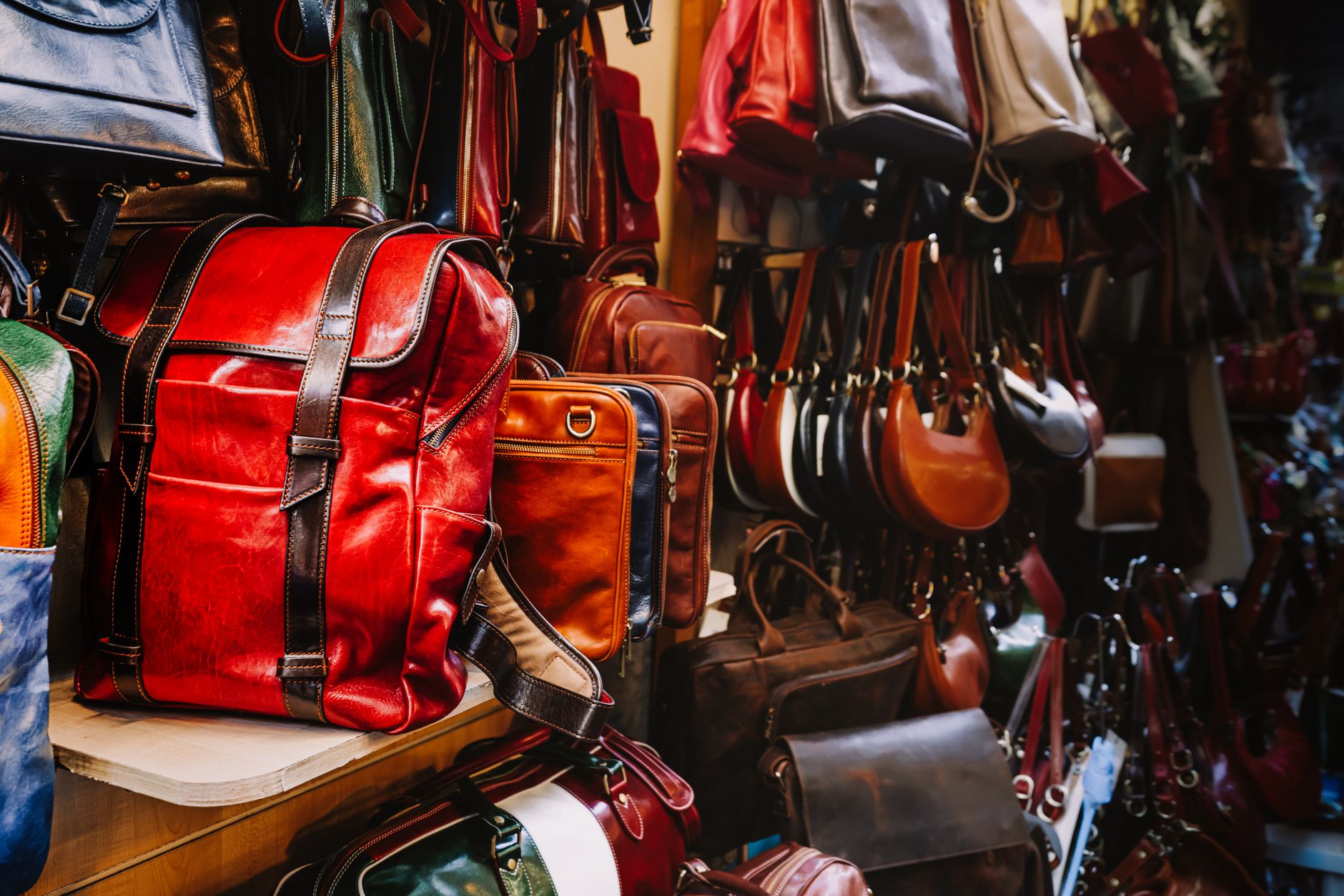
Structured tote bases made of stiffened leather or reinforced canvas have been the standard for over a decade.

Why Rubbing Strips Work Where Rigid Bases Fall Short
The structured base, for all its visual cleanliness, has a fundamental problem: it transfers damage. A rigid leather base set down on concrete, asphalt, or a wet cafe floor accumulates scratches, moisture stains, and compression marks that are visible immediately and worsen over time. The material integrity that makes the base look good new works against it in daily use. Rubbing strips solve this by introducing a sacrificial buffer – a layer designed to absorb contact before the primary material does.
In rowing, the rubbing strip exists because a shell hull is too valuable and too structurally precise to sustain repeated dock impact. The strip takes the damage instead. Applied to a tote, the same logic holds. A rubber or cord profile along the base perimeter means the bag’s leather or coated canvas body never touches the ground directly. What looks like a design detail is actually a load-bearing functional decision, which is exactly why it reads so well as an aesthetic choice – it carries the visual weight of something that actually does something.
There is also the question of silhouette. A rubbing strip profile adds a subtle foot to the base of the tote without requiring four separate brass or nickel studs, which have become so ubiquitous on mid-range structured bags that they now signal mass production more than quality. The continuous ridge of a rubbing strip reads as intentional in a different register – closer to industrial design than accessory manufacturing. It positions the bag in conversation with objects like camera cases, tool rolls, and expedition luggage rather than the department store handbag wall.

The Sport-Utility Aesthetic and Where It Goes Next
Fashion’s current relationship with functional sporting equipment is operating at a material level, not just a visual one. It is not enough anymore to print a crew team graphic on a canvas tote. The conversation has moved to construction details that reflect how equipment actually performs. Surcingle girth webbing migrating onto tote straps is part of the same current – equestrian and rowing hardware lending structural credibility to everyday carry pieces that have otherwise been design-stagnant for years.
What makes the rowing club reference specifically compelling in construction terms is its relationship to water and weather. Rubbing strips are chosen in part because they resist moisture and temperature change without cracking or delaminating. A rubber or EPDM-profile base on a tote offers the same durability advantage, which matters for a bag category that gets used in rain, on wet market floors, and in the back of rideshares. The detail earns its place on performance grounds before it earns it on aesthetic ones.
A growing number of independent bag labels and small-batch manufacturers are experimenting with this construction approach rather than established houses, which means the rubbing strip tote is arriving from the edges of the market rather than the center. That trajectory tends to predict staying power better than a runway moment does. When a construction detail solves a real problem and gets adopted by makers who prioritize use over trend, it tends to outlast the season that named it.
The Quiet Replacement
The stiffened leather base panel had a long run, but once consumers learn that a rubber perimeter ridge keeps their bag cleaner, more upright, and more durable over years of daily use without adding visible bulk, the choice between the two stops being about aesthetics at all – and the rubbing strip wins on pure practicality, which is the hardest kind of win to argue against.