


The rowing club’s rigger bolt – a squat, hex-headed fastener that holds the outrigger arm to the shell of a racing boat – has spent decades doing anonymous structural work in boathouses and on water. Now it’s appearing on fingers, wrists, and collar bones, stripped of its aquatic context and reframed as precision-made jewellery with an unmistakably industrial edge.
From Boathouse to Bijou: How a Functional Fastener Crossed Over
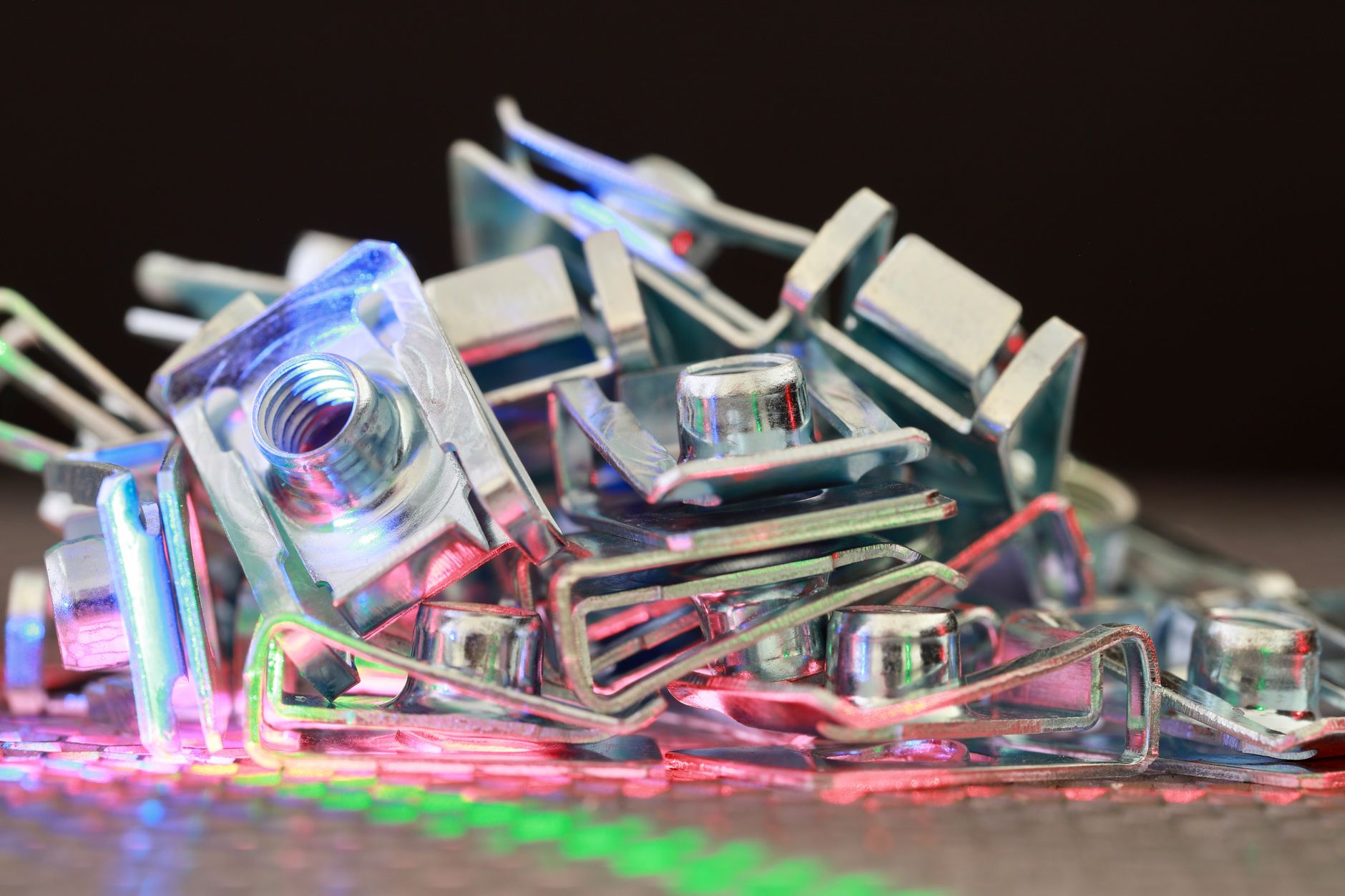
Rigger bolts are not decorative by design. They are typically made from stainless steel or marine-grade aluminium, sized to resist torque and vibration across thousands of strokes on open water. Their defining visual features – the flat hexagonal head, the clean cylindrical shaft, the machined thread at the base – are purely functional. That functionality is exactly what makes them visually arresting when removed from their working context and set against skin.
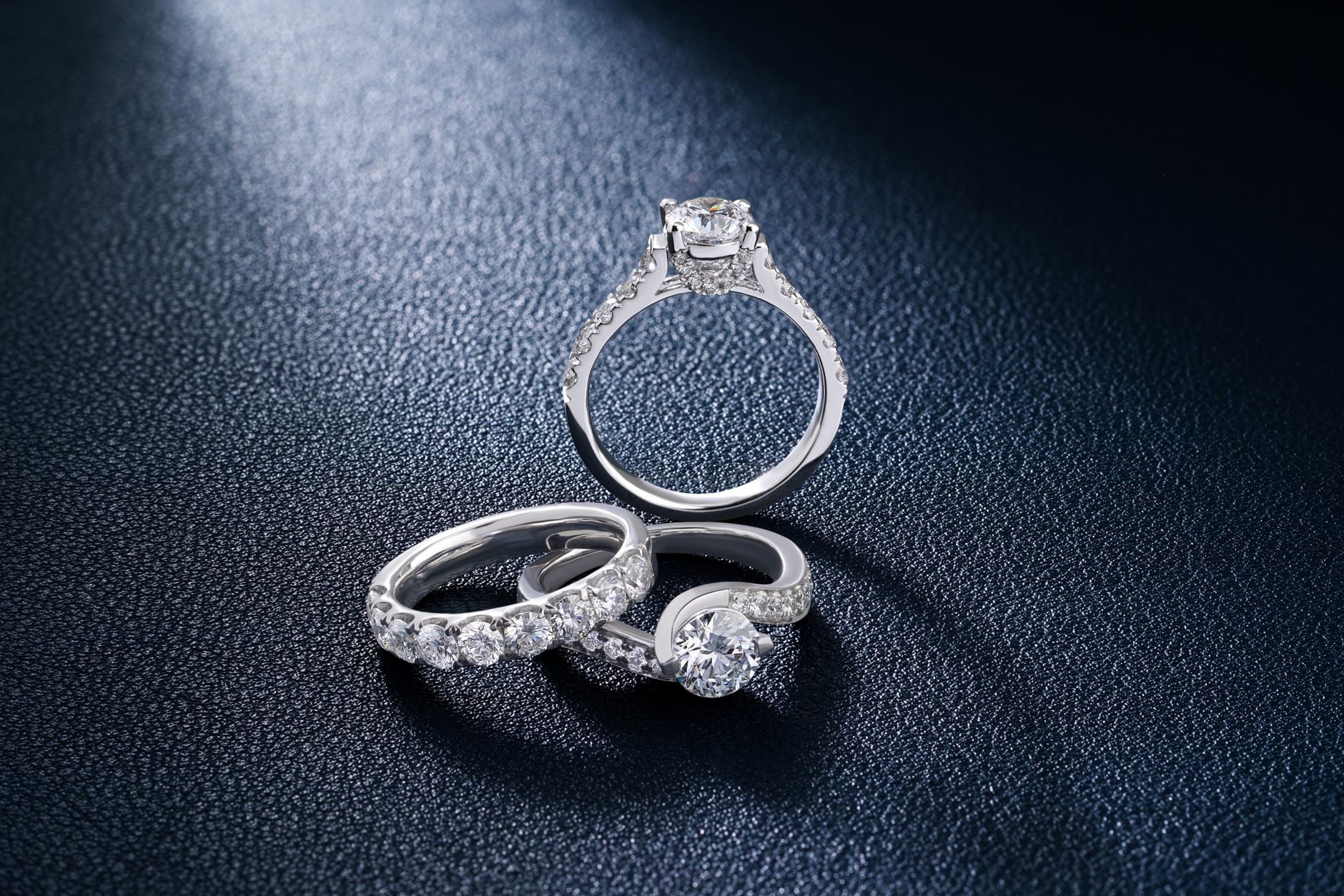
A growing number of independent jewellers are sourcing actual rowing hardware or manufacturing direct replicas in sterling silver, oxidised brass, and blackened titanium. The bolt head becomes a ring face or pendant centrepiece. The shaft, truncated and polished, forms a stacking ring or ear stud. Some makers cast the full bolt form at enlarged scale, turning it into a statement cuff or brooch where every machined detail – the chamfered edges, the recessed flat – reads as deliberate sculpture rather than engineering shorthand.
The appeal is not nostalgia for the sport. Most buyers have no rowing background whatsoever. The bolt works as jewellery because it carries the visual grammar of precision manufacturing: tight tolerances, clean geometry, the suggestion of something built to perform under pressure. Wearing it communicates a preference for objects that have a reason for every curve, rather than decoration applied for its own sake.
This trajectory follows a broader pattern in jewellery that’s been building for several years – hardware-derived forms moving from workwear into fine and semi-fine categories. Wing nuts, hex bolts, and Allen-key fittings have each had their moment in independent jewellery circles. The rigger bolt arrives with a specific sporting pedigree, which adds a layer of niche credibility that pure industrial forms sometimes lack. It signals something more precise than “I like metal” – it references an entire ecosystem of equipment culture, technical obsession, and athletic ritual.
The Design Logic Behind Making Hardware Wearable
Translating a functional object into jewellery without losing what made it interesting in the first place is harder than it looks. The risk with hardware-inspired pieces is over-refinement – polishing away the industrial character until the piece reads as generic geometric jewellery with no distinguishing DNA. The rigger bolt resists this problem because its geometry is so specific. The hex head has a proportion and a depth that differs from a standard nut or bolt; the shaft-to-head ratio of a rowing rigger fitting has its own visual signature, and jewellers working seriously in this space are preserving those proportions rather than approximating them.
Material choice is doing significant work in the more thoughtful executions. Sterling silver cast from an original bolt preserves every machined line while elevating the material register – it reads as a deliberate art object rather than a raw hardware store find. Oxidised finishes darken the recessed surfaces, replicating the shadow effects that actual stainless steel bolts develop from water and wear. Some makers are working in solid 9ct or 14ct gold, which creates a more pointed tension – a form that signals workshop grit rendered in a material that signals wealth.
Scale is another active design variable. A rigger bolt scaled up to ring size sits differently than one worn at its original dimensions as a stud. Enlarged, the hex geometry becomes architectural, and the piece starts to function as wearable sculpture. At true scale, it reads as insider knowledge made tangible – recognisable to anyone who has spent time in a boathouse, invisible in its reference to everyone else. Both approaches are circulating, and they attract different buyers with different relationships to the source material.
Stacking behaviour is one reason the form is gaining traction beyond early adopters. Rigger bolt rings layer well with other geometric forms – square-profile bands, tube rings, plain round shanks – without competing for dominance. The hex face reads as a punctuation mark in a stacked set rather than an interruption. This practical versatility helps the piece move from novelty into actual wear rotation, which is where any trend either consolidates or fades.
Ear hardware has been particularly receptive to the rigger bolt form. The flat hex head works as a stud face with a directness that round or oval studs don’t offer – it has corners, it catches light at angles, it looks chosen rather than defaulted to. Larger versions worn as ear weights or single drop pieces play on the visual tension between boat hardware scale and the delicacy of ear placement. That contrast – heavy industrial reference, intimate body placement – is exactly the kind of friction that makes an object worth wearing.
Who Is Actually Buying This
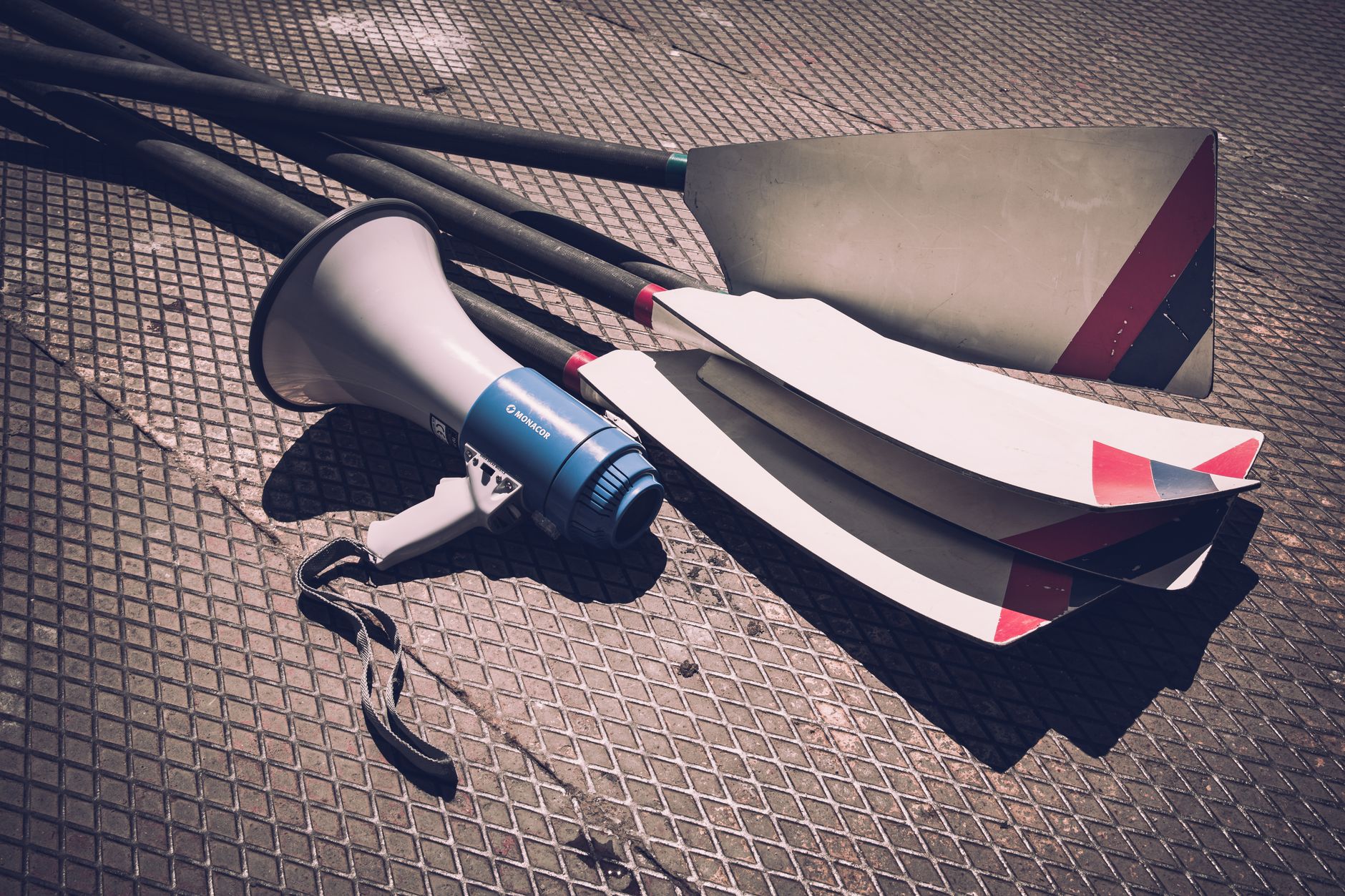
The current buyer profile spans two distinct groups that rarely overlap in jewellery. The first is the sport-adjacent buyer – former rowers, coaches, competitive parents, club members – who want a wearable reference to a discipline that tends to leave few obvious souvenir options beyond branded kit. The rigger bolt offers specificity that a generic oar motif doesn’t. It’s a part that only someone familiar with boat rigging would immediately identify, which makes it function as a private badge rather than a broadcast statement.
The second group has no connection to rowing at all. They are buying on form alone – drawn to hex geometry, industrial materiality, and the idea that their jewellery comes from a context as specific and unglamorous as a boathouse. For this buyer, the conversion of sport-specific hardware into wearable objects is part of a wider interest in accessories that carry technical provenance rather than brand heritage. The rigger bolt, to them, is compelling not because of what it did on a boat but because it looks like something that was built to do something specific – and that specificity, worn on the body, communicates a certain kind of taste. Whether that taste translates into a lasting market or a brief moment of hardware-obsessed collectors remains the open question.